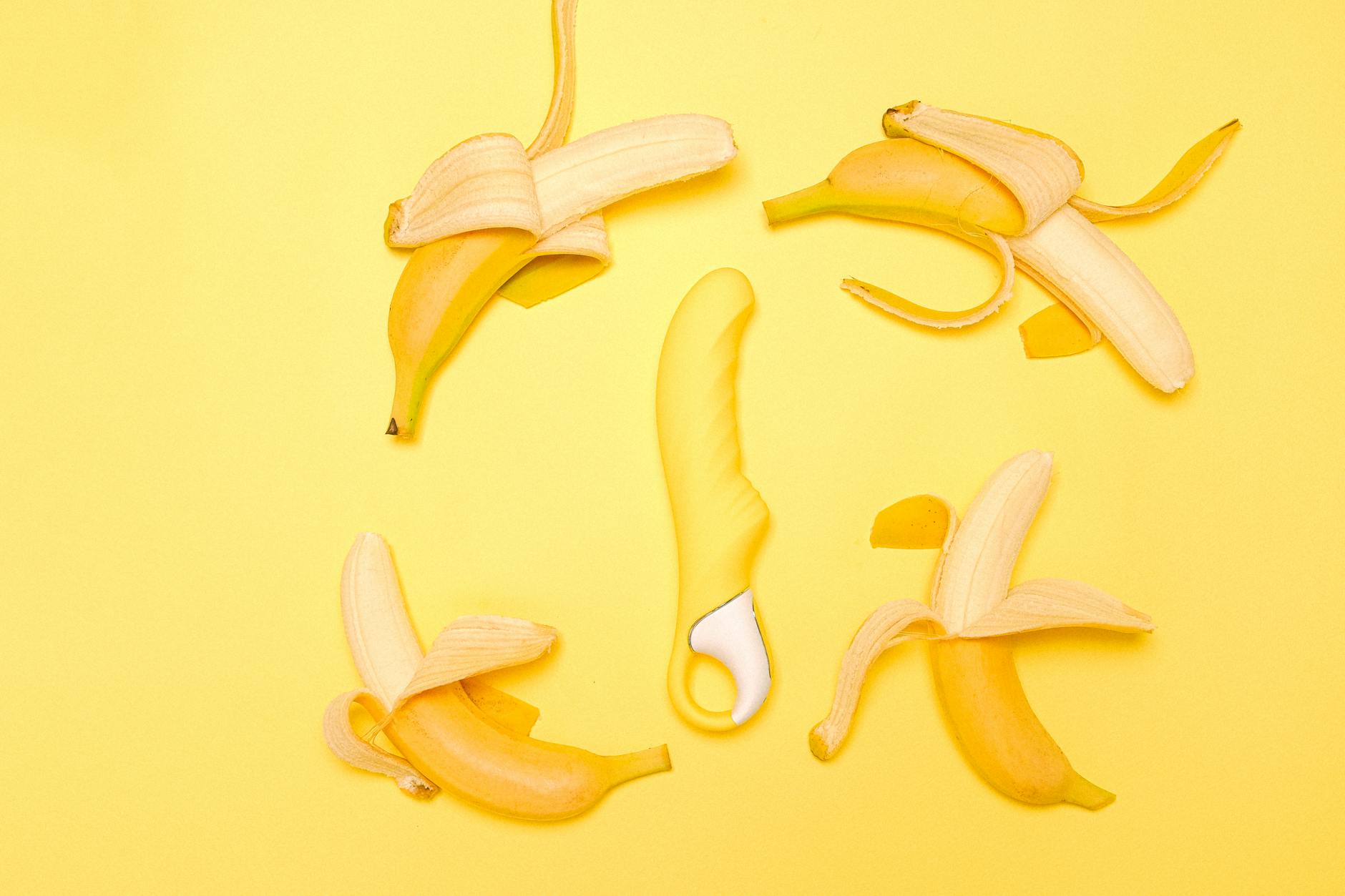
Here's the thing about perimenopause
You're not losing your mind. Your hormones are genuinely all over the place. Estrogen and progesterone don't just decline gradually during perimenopause. They spike, crater, spike again, then plateau. For years. Which means your body's responsiveness to pleasure isn't stable. It's a moving target.
That's not a flaw. It's information. And once you understand what's happening, lemon vibrators become a game-changer.
How hormone swings change what pleasure feels like
In the follicular phase of a typical cycle, estrogen climbs. Tissue thickens. Arousal builds faster. Orgasms feel open and expansive. Then comes ovulation, then progesterone peaks, and suddenly everything tightens. Clitoral sensitivity intensifies. Some people need less stimulation. Others need something completely different.
During perimenopause, this rhythm gets chaotic. You might have 40 days of one hormone profile, then a 10-day crash, then 60 days of something else entirely. Your brain's trying to follow a pattern that no longer exists.
This is where most traditional vibrators disappoint. A standard buzzing vibrator gives you the same frequency, the same pressure, the same everything every time. When your body's changing week to week, that inflexibility creates friction instead of pleasure.
Lemon clitoral vibrators work differently. The suction mechanism isn't relying on direct friction. It's drawing tissue into a gentle pressure chamber, which stimulates the nerve clusters without the grinding sensation that can feel too intense when your body's already hyper-sensitive from hormonal shifts.
Why suction outperforms vibration during hormone chaos
Here's what I've observed clinically with people navigating perimenopause. When estrogen fluctuates wildly, the clitoris becomes more reactive to pressure and less reactive to pure vibration. This isn't permanent. It's temporary. But it's real.
A lemon sucker creates what I call "responsive sensation." You control the intensity. You choose the pattern. If Monday your body wants the pulse setting and Friday your body wants the wave setting, you adjust. You're not waiting for your nervous system to catch up to a machine's fixed rhythm.
The sensation also feels gentler on tissue that's becoming thinner as estrogen begins its overall decline. You get strong stimulation without the micro-abrasion that can follow a traditional vibrator session when your body's already dealing with tissue thinning.
The role of estrogen fluctuation in sensitivity
When estrogen is stable and high, your clitoris feels well-cushioned. The tissue's plump. The nerves have lots of support. A vibrator works fine. But as estrogen becomes unpredictable, that cushioning gets spotty. Some days your clitoris sits relatively protected. Other days it feels exposed and reactive.
Suction actually works better with variable sensitivity because the pressure is distributed differently than vibration. Vibration is a point-impact sensation. Suction is a gentle drawing sensation. Your nervous system processes them through different pathways. During perimenopause, when those pathways are already firing inconsistently, suction offers a kind of steady ground.
You also get immediate feedback. If the intensity's too high, you release the button. If you need something gentler, you step back a pattern. With a fixed vibrator, you're fighting the machine's logic instead of dancing with your body's real-time needs.
What actually changes with a lemon clitoral vibrator
First, your warm-up time likely shifts. Where you used to need five minutes, you might need fifteen one week and seven the next. A suction vibrator lets you stay at a lower intensity longer without losing sensation. You're building arousal at your body's actual pace instead of forcing yourself to match a vibrator's predetermined speed.
Second, orgasm quality changes. People often report that orgasms during perimenopause feel different in shape and intensity. A lemon vibrator's pattern variety means you're not chasing the same orgasm shape as before. You're discovering what this version of your body actually wants. That's not loss. That's evolution.
Third, post-orgasm recovery shifts. Some days you'll want to go again immediately. Other days your body will feel done. That's not dysfunction. That's perimenopause. The fact that you have a tool that lets you respond to that without judgment or forcing yourself matters.
Managing the unpredictability without frustration
Here's something I tell people in session: your pleasure is not a problem to solve. It's information to collect. Buy a small notebook or use a notes app. Track which patterns feel good, which days feel easier, which intensities work. Not in a clinical way. Just casual notes. "Tuesday: pattern 2 felt amazing." "Friday: needed extra warm-up."
After six to eight weeks, you'll see your own pattern emerge even if your hormones don't have one. You'll notice you're more responsive midweek. You'll discover that pattern 3 consistently works better than pattern 2. That information becomes your roadmap. You stop waiting for your body to act normal and start working with how it's actually behaving.
This is also the time to reconsider your expectations around frequency and ease. If you've historically had sex or pleasure sessions twice a week and now that feels hard, that's not a sign you're losing desire. Perimenopause legitimately changes how your nervous system manages stimulation. Scaling back to what feels sustainable right now actually protects your ability to enjoy pleasure long-term.
When to bring your partner or friend into the conversation
If you're working with a partner, the conversation matters more than the tool. Explaining that your body's responsiveness is shifting due to hormones is completely different from "I don't want you anymore." These are separate issues and they deserve separate conversations.
A lemon vibrator can actually help here because it gives you solo pleasure that doesn't depend on someone else's rhythm. That takes pressure off partnered sex. You're not entering every sexual moment desperate to feel something. You're coming to it from a place of having already had pleasurable sensation that week. That changes the entire energy.
If you're partnered and you want to use a suction vibrator together, introduce it as an addition, not a replacement. Some people find that integrating it into partnered pleasure actually deepens connection because it removes the performance pressure. Your partner isn't trying to be your vibrator. They're participating in what actually works for your body.
What research shows about pleasure during hormonal transition
Studies on sexual function during perimenopause show that many people experience decreased arousal and increased difficulty with orgasm. But here's what doesn't get discussed enough: many people also report discovering new sensations and orgasm types during this phase. The transition is uncomfortable partly because we're culturally trained to expect pleasure to stay the same forever.
It doesn't. It evolves. And tools like lemon clitoral vibrators support that evolution instead of fighting it. You're not trying to recreate the orgasms you had at 35. You're discovering what your body at 45 or 48 actually enjoys.
The data also shows that people who actively explore pleasure during perimenopause report higher sexual satisfaction post-menopause than those who retreat from it. Using a tool like a lemon sucker vibrator during this in-between phase isn't indulgence. It's preparation. You're building a relationship with pleasure that doesn't depend on hormone stability.
The long game: beyond perimenopause
Here's what I tell people in my practice: your perimenopause years are when you learn to please yourself with precision. You're developing knowledge about your body that lasts decades. A lemon vibrator accelerates that process because its responsiveness mirrors your body's new sensitivity profile so closely.
Once you hit menopause and hormones finally stabilize, you'll have spent three to seven years learning exactly what works for your nervous system. That knowledge becomes your anchor. You'll know which patterns work. You'll know how much warm-up time you actually need. You'll have stopped fighting your body and started collaborating with it.
That's not small. That's the difference between a midlife sexual crisis and a midlife sexual awakening. And it starts with understanding that feeling different during perimenopause isn't a sign that something's broken. It's a sign that your body's asking you to pay attention.
People also ask
Why does my lemon vibrator feel different on different days during perimenopause?
Your hormone levels are genuinely shifting, which changes your clitoral tissue thickness, sensitivity, and how your nervous system processes sensation. The same vibrator feels different because your body's receptivity genuinely is different. This is completely normal. Many people find tracking which patterns work on which days helpful so you can respond to your body's real needs instead of expecting consistency.
Can a lemon clitoral vibrator help me reconnect with pleasure if perimenopause killed my desire?
Desire often gets suppressed during perimenopause due to hormone fluctuation and fatigue. A suction vibrator can help rebuild that connection because it works with your current sensitivity instead of against it. Starting with shorter sessions at lower intensities and gradually building up often helps nervous systems that have retreated from pleasure reactivate more gently than traditional vibrators allow.
Should I use my lemon vibrator more often during perimenopause or less often?
There's no universal answer. Some people find that regular pleasure sessions help stabilize their nervous system's response to hormonal chaos. Others need to scale back because overstimulation becomes an issue during this phase. Pay attention to how your body feels the next day and the day after. If you feel energized and calm, you've got the frequency right. If you feel depleted or rawer, scale back.
Does the pattern setting matter more during perimenopause than before?
Yes. Because your sensitivity is variable, having multiple patterns gives you flexibility that a one-note vibrator doesn't offer. Some days you'll need the gentler pulse patterns. Other days the wave pattern will feel ideal. During perimenopause, that flexibility is genuinely useful, not a nice extra.
Can I use a lemon sucker vibrator if my clitoris feels too sensitive during perimenopause?
Yes, and often more easily than a traditional vibrator. Because suction distributes pressure differently than direct vibration, many people with heightened clitoral sensitivity find it gentler. Start at the lowest intensity setting and let your nervous system acclimate. You can always increase intensity, but you can't un-feel overstimulation.
Is it normal that my orgasms changed during perimenopause?
Completely normal. Orgasm quality, intensity, duration, and shape all shift as hormones change. You might have fewer orgasms, deeper orgasms, multiple orgasms, or orgasms that feel completely different in your body. This is your nervous system adapting to new hormone levels. It's not a loss of function. It's a recalibration.
What happens next
Perimenopause lasts longer than most people realize. The average is five to seven years. That's a long time to spend fighting your body or waiting for it to return to baseline. Using a tool like a lemon vibrator that actually works with your shifting sensitivity lets you spend those years building knowledge instead of experiencing frustration.
You deserve pleasure that works for your body as it is right now. Not as it was. Not as you hope it'll be in five years. Right now. A lemon clitoral vibrator is designed specifically for that responsive, adaptable pleasure. Start with one session this week. Notice what patterns your body gravitates toward. Build from there. Your pleasure matters, and your body's changes are part of that story, not separate from it.
Ready to explore? Reach out to our team if you need guidance on which tool fits your needs. Contact us anytime.