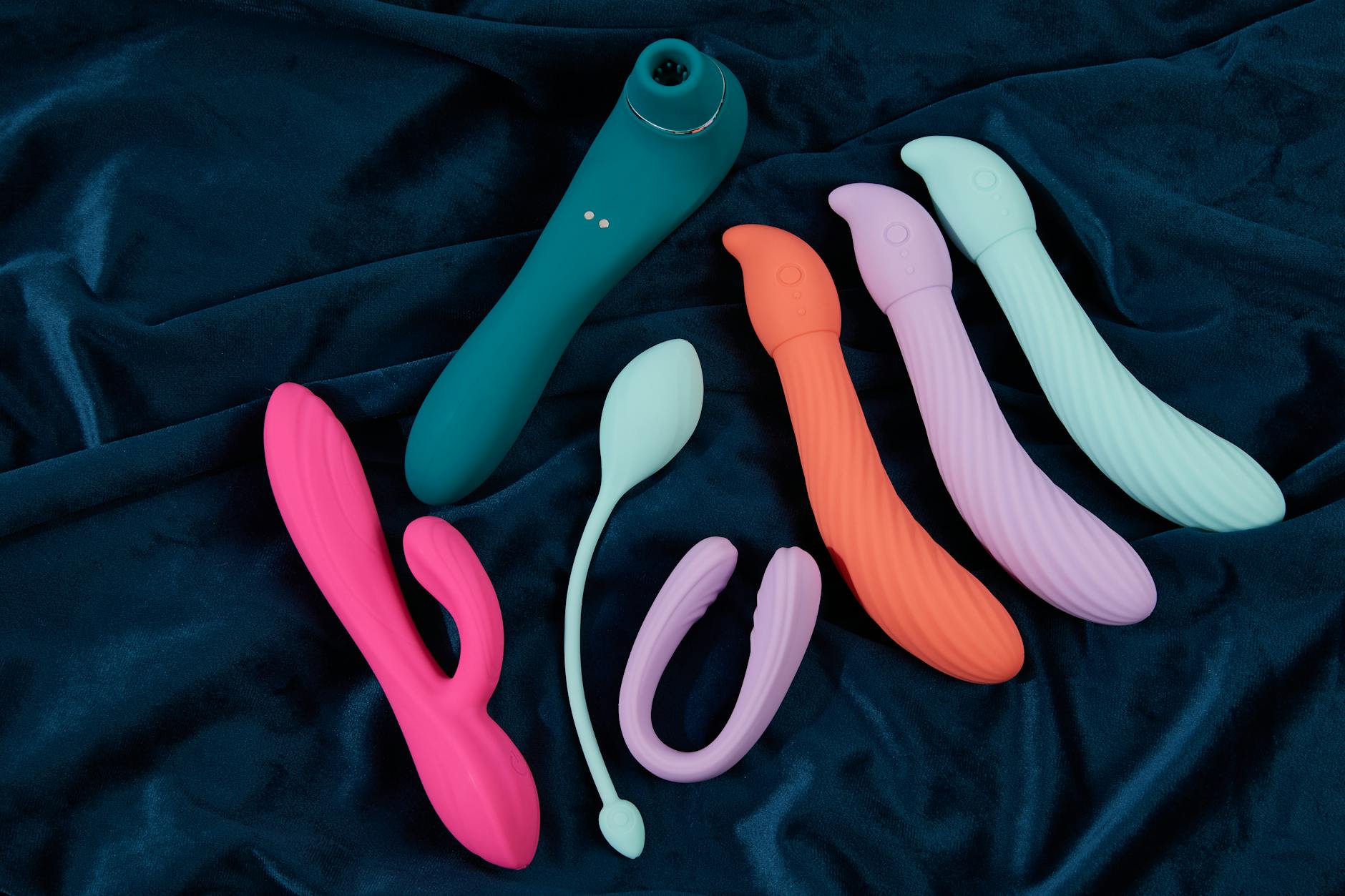
Let's talk about pregnancy and pleasure
Pregnancy changes almost everything about how your body feels. Blood volume increases by 50 percent. Hormone levels shift in ways that don't happen at any other time in your life. Your clitoris swells. Your vulva darkens. Your skin gets more sensitive. And yes, all of this changes how a lemon vibrator feels when you use it.
Here's the part nobody explains: those changes aren't bad. They're different, and different is worth understanding.
What actually changes in your body during pregnancy
Start with blood flow. When you're pregnant, your body pumps extra blood to your pelvic region. This causes natural engorgement. Your vulva might look swollen or darker than usual. Your clitoris becomes more pronounced. In theory, this sounds like it should feel amazing. Sometimes it does. Sometimes it makes everything feel too sensitive, too intense, or just weirdly unfamiliar.
Progesterone and estrogen surge. These hormones affect everything from your skin's sensitivity to how quickly arousal builds. Many people report that their libido spikes during the second trimester, then dips again in the third. Some experience the opposite. There's no universal pregnancy libido pattern, which is why it's so important to tune in to your own body rather than expecting what the internet told you to expect.
Your pelvic floor also shifts. The ligaments that support your pelvic organs relax (thanks, relaxin hormone), which can change how orgasms feel. Some people describe them as stronger. Some say they feel more diffuse or less localized. Some feel nothing at all, and that's also normal.
Why your lemon vibrator might feel too strong now
The engorgement we mentioned earlier has a practical side effect. Your clitoris is more sensitive when it's more engorged. Add a lemon clitoral vibrator's suction stimulation to that heightened sensitivity, and what felt perfect before pregnancy might now feel overwhelming.
This isn't a sign you should stop using it. It's a sign you need to adjust how you use it. Starting on a lower intensity level is key. The Lem vibrator, for example, has multiple pattern settings. In pregnancy, many people find that patterns 1 through 3 feel more comfortable than the intensity they used before conception. You can always build up from there.
Another factor is pacing. Arousal might happen faster now, which sounds great, but it can also mean you reach peak sensation more quickly. Taking longer with warm-up, even if you don't technically need it, gives your body and brain time to sync up with the new sensation.
Second trimester often feels like the "sweet spot"
If you hit the second trimester and suddenly feel amazing during sex or with a toy, you're not alone. This is when many people report the highest libido of pregnancy. Blood flow is robust but you're not dealing with the heaviness and discomfort of late pregnancy. Your belly is bigger but usually not painful yet. Hormones have leveled into a new normal.
During this window, lemon vibrators and other clitoral vibrators often feel great because your body has settled into the new baseline. The heightened sensitivity is now familiar. You know what intensity works. Your pelvic floor is engaged but not rigid with tension.
If you're in the second trimester and feeling good, this is the time to explore. Use your lemon vibrator as usual, but stay attuned to any discomfort. If something hurts, stop. Pregnancy pain is your body's signal that something isn't working.
Third trimester brings real changes (and that's okay)
Round ligament pain, pelvic pressure, and the sheer physical weight of carrying a baby change everything. Your clitoris might still be engorged and sensitive, but now there's heaviness and aching in the pelvis. Some people find that using a lemon clitoral vibrator still feels good if they're in a comfortable position. Others find that the sensations get crowded out by physical discomfort.
This isn't failure. This is biology. If penetrative sex starts feeling uncomfortable, a lemon sucker vibrator that focuses on external clitoral stimulation might feel better than toys that go deeper. The suction sensation is gentler and more localized than vibration against already-swollen tissue.
Positioning matters way more in late pregnancy. Side-lying often feels better than on your back or stomach. Some people find that using a lemon vibrator while seated feels more comfortable than lying down.
Safety is real, but the risk is overstated
Here's what the research actually says: using a vibrator during pregnancy is safe. Orgasms during pregnancy are safe (unless your doctor has specifically told you otherwise for a medical reason like placenta previa or preterm labor risk). The vibrations don't reach the baby. The uterine contractions that sometimes happen during orgasm are normal and not dangerous in a healthy pregnancy.
What you should avoid: anything that introduces new bacteria into the vagina, rough insertion techniques, or positions that create pressure or pain. A lemon clitoral vibrator with its focus on external stimulation is actually one of the safest toy choices during pregnancy because there's no insertion involved.
Talk to your doctor if you have specific risk factors. Placental issues, preterm labor risk, or certain cervical conditions mean you should get clearance before using any toy. But for most people with healthy pregnancies, a lemon vibrator is fine.
Addressing the orgasm and contraction question
Many people worry that orgasms will cause miscarriage or early labor. This fear is understandable and completely unfounded in healthy pregnancies. Uterine contractions from orgasm are not the same as labor contractions. They're shorter, milder, and don't progress. Your body knows the difference.
What sometimes happens is that you feel the contractions and they startle you. If this happens, take a breath. They'll pass in a few seconds. If you're uncomfortable with them, simply skip the orgasm and enjoy the sensation of stimulation without climax. Pleasure doesn't have to have an ending.
If you have a history of miscarriage, preterm labor, or other complications, ask your doctor specifically about vibrator use and orgasms. The blanket answer is yes, it's safe. But your specific situation might have nuances.
What lube and materials matter more in pregnancy
Your vaginal environment changes during pregnancy. pH shifts, lubrication increases naturally, but the tissue becomes more delicate. A water-based lubricant is always a smart choice, but during pregnancy, it's even more important. Your natural lubrication might be plenty, but adding a smooth, pregnancy-safe lube reduces friction and makes everything feel easier.
Silicone lube lasts longer, which some people prefer during pregnancy when they're slower to arousal and want sustained stimulation. Check the ingredients, but most medical-grade silicone is fine. Avoid anything with parabens or glycerin (which can mess with the delicate pregnancy pH balance).
The lemon vibrator itself is made of silicone, which is non-porous and easy to clean. Wash it with warm water and mild soap before and after use. If you're worried about bacteria during pregnancy, this extra hygiene step is reassuring and harmless.
When to pause vibrator use
Certain situations call for holding off. Spotting or bleeding after sex or toy use means your cervix or vaginal tissue is irritated. Stop and call your doctor. Preterm labor symptoms (regular contractions, pelvic pressure, bleeding) mean stop all sexual activity until you're cleared. Placental issues diagnosed by ultrasound might mean your doctor advises against anything that causes contractions.
Beyond those situations, the choice is yours. Some people use lemon vibrators throughout pregnancy. Some take a break in the third trimester. Some stop completely and restart after postpartum healing. There's no right answer. Your comfort and your doctor's clearance are the only things that matter.
Postpartum sensation resets again
When you give birth, everything resets. If you tore or had an episiotomy, you're in recovery mode, and any toy is off limits for weeks. Even without tissue damage, your hormones crash. The engorged, sensitive clitoris deflates. The heightened blood flow normalizes. You'll go back to baseline, but it might take a few months.
Many people find that returning to a lemon clitoral vibrator after postpartum recovery feels like rediscovering it. Your body is back to familiar territory. The sensations are your sensations again, not pregnancy-altered sensations. If you want to learn more about rebuilding sensation and pleasure after childbirth, that's a bigger conversation worth having.
FAQ
Is it safe to use a lemon vibrator during pregnancy?
Yes, a lemon clitoral vibrator is safe during pregnancy for most people with healthy pregnancies. The vibrations don't reach the baby, and orgasms don't cause miscarriage or premature labor. Always check with your doctor if you have specific risk factors like placental issues or preterm labor risk. External clitoral vibrators like the Lem are especially low-risk because they don't involve insertion.
Will using a vibrator cause labor to start early?
No. Orgasms during pregnancy cause mild uterine contractions that are completely different from labor contractions. They're shorter, weaker, and don't progress into active labor. If you have a high-risk pregnancy, talk to your doctor, but the blanket answer is that vibrator use and orgasms won't trigger labor.
Why does my lemon vibrator feel too intense during pregnancy?
Pregnancy increases blood flow to your pelvic region, making your clitoris more engorged and sensitive. This means stimulation that felt perfect before can now feel overwhelming. Try starting on a lower intensity setting, like pattern 1 or 2 on the Lem, and work up from there. Longer warm-up time also helps your body adjust to the heightened sensation.
What if I feel contractions when using a lemon vibrator during pregnancy?
Feeling contractions is normal and harmless. Orgasm causes mild uterine contractions that pass quickly and are not dangerous. If they startle you, take a breath and remember they'll stop in a few seconds. If you find them uncomfortable, you can enjoy the sensation of clitoral stimulation without reaching orgasm.
Is water-based or silicone lube better during pregnancy?
Both are safe, but water-based is a reliable choice during pregnancy because it's gentle on the delicate vaginal tissue and pH-balanced. Silicone lube lasts longer and might feel better if you need extended stimulation, but check that it's free of parabens and glycerin. The most important thing is that you're using something smooth to reduce friction.
When should I stop using vibrators during pregnancy?
Stop if you experience spotting, bleeding, or unusual pain after toy use. Stop if you have preterm labor symptoms or if your doctor advises against sexual activity due to specific risk factors. Otherwise, the choice is yours. Some people use toys throughout pregnancy, some stop in the third trimester, and some take a break until after postpartum recovery. Listen to your body and your doctor.
The bottom line
Pregnancy rewires sensation. A lemon vibrator won't feel the same, and that's not a problem. It's an invitation to get curious about your body during this wild time. Lower intensity, longer warm-up, open communication with your partner if you have one, and a check-in with your doctor. That's all you need to navigate pleasure during pregnancy with confidence.
Your body is changing, but your capacity for pleasure isn't gone. It's just recalibrating. Trust that, and be gentle with yourself as you figure out what feels good now.