Why Lemon Clitoral Vibrators Feel Different After Thyroid Medication Changes
Here's the thing nobody tells you about thyroid medication adjustments: your pleasure rewires at the same time your energy does. If you've recently started taking thyroid meds or changed your dose, and suddenly your lemon vibrator feels weaker, faster, or just plain different, you're not imagining it. Thyroid hormones touch almost everything in the body that relates to arousal, and yes, that includes how your clitoris responds to stimulation.
I've had countless clients report this exact shift after starting levothyroxine or adjusting their TSH levels. Most assume something's broken. Nothing is. Your body is just recalibrating, and your device needs a small adjustment too.
How thyroid hormones affect arousal and sensitivity
Thyroid hormones don't directly control sexual response the way estrogen does. But they control the speed of almost everything: your heart rate, your nervous system response time, your metabolic rate, and the sensitivity of nerve endings throughout your body.
When your thyroid is underactive (hypothyroidism), everything slows down. Your arousal builds slowly. Your circulation is sluggish. The tissues of your vulva receive less blood flow, which means less engorgement during arousal. Orgasms, when they come, can feel muted or distant. Many people with undiagnosed hypothyroidism describe their sexuality as "feeling numb" or "watching from a distance."
When you start thyroid replacement medication, or when your dose increases to the right level, that changes. Your nervous system speeds up. Blood flow improves. Sensation intensifies. For some people, this is a relief. For others, it feels jarring. The vibrator setting you were using for three months suddenly feels too strong.
The reverse is true too. If you've been on thyroid medication for a while and your dose gets reduced (which happens if your thyroid starts producing more hormone, or if your doctor recalibrates), you might find that you need to bump up the intensity on your lemon vibrator again.
What actually changes when thyroid meds adjust
Three major things shift:
1. Arousal speed. People with properly medicated thyroid conditions report that arousal builds faster and with less mental effort. If you've been struggling to get interested in sex while hypothyroid, the first month or two on the right dose can feel like someone turned up the volume on desire itself.
2. Tissue sensitivity. Your clitoris has thousands of nerve endings. Those nerves respond faster when your metabolic rate increases. The same light touch that felt gentle before might feel intense now. Vibration patterns you tolerated easily might suddenly feel overwhelming at the same speed.
3. Refractory period changes. The time between orgasm and being able to get aroused again often shortens when thyroid function improves. This is actually great news, but it can catch you off guard if you weren't expecting it.
Why lemon vibrators specifically adapt better during this transition
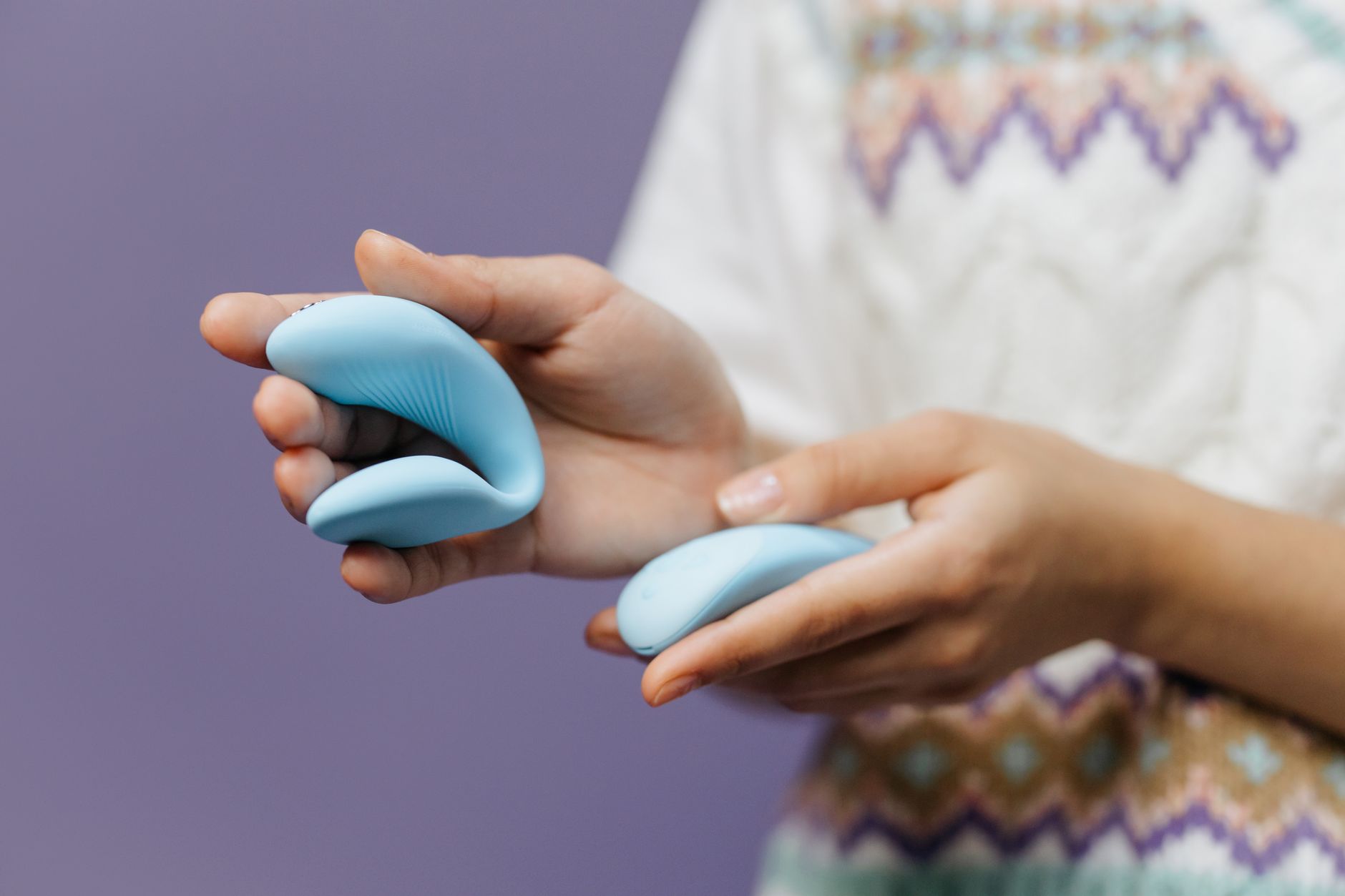
Air-suction clitoral vibrators like the Lem work differently than traditional vibrators, and that matters when your sensitivity is in flux. They use gentle suction instead of direct vibration, which means they don't rely on a single intensity level to work. You can adjust pressure and pattern independently.
With a standard vibrator, your options are basically "this speed" or "that speed." With a lemon clitoral vibrator, you get a broader range of sensation because suction naturally distributes stimulation across a wider area of the clitoris. That makes it easier to find a comfortable baseline when your sensitivity is shifting.
I recommend starting at pattern 1 or 2 after any thyroid medication adjustment, even if you were using patterns 5 and 6 before. Give it two weeks. Your nervous system needs time to settle at the new metabolic rate before you know what actually feels good.
The timeline: what to expect
If you've just started thyroid medication or increased your dose, here's roughly what happens with sensitivity changes.
Week 1-2: Expect some unpredictability. Your body is adapting. Your pleasure response might feel stronger, weaker, or just inconsistent. This is normal. Keep notes on what settings feel best each day.
Week 3-6: Your nervous system settles into the new pace. By week 4, you'll probably have a clearer sense of what's changed. This is when most people find their new baseline with devices like the Lem.
Week 6-8: Full stabilization. Your new medication level has integrated into your daily life, and your arousal patterns reflect your actual new normal, not the transition zone.
If you've reduced your thyroid dose, the same timeline applies, but in reverse. You might notice decreased sensitivity first, then a gradual adjustment as your body adapts.
What to do if things feel genuinely wrong
Let's be clear: sensation changes from thyroid medication are normal. Pain during sex is not. If you notice sharp pain, burning, or anything that feels wrong (separate from just "different intensity"), that's worth mentioning to your doctor.
Also watch for these flags: if your arousal completely disappears (not just quieter, but absent), or if you're having trouble reaching orgasm even with patterns that used to work reliably, mention it to whoever prescribed your thyroid meds. Sometimes dose adjustments can go slightly too high, which can actually dampen arousal. A small tweak might help.
The same goes if you're experiencing new anxiety or panic. Thyroid medication can sometimes trigger or worsen anxiety, especially if the dose is too high. Anxiety tanks arousal. If this is you, your provider should know.
Adjusting your lemon clitoral vibrator for the new you
Three practical changes to make when your thyroid meds shift.
Start lower, climb slower. If you loved pattern 5, begin your exploration at pattern 2 or 3. Spend a week there before moving up. Your body's new sensitivity baseline will become obvious pretty fast.
Extend warm-up time. Even if arousal feels faster overall, give your body 10-15 minutes to fully engage before using the vibrator. Thyroid changes can make you feel mentally ready before your body's blood flow has caught up.
Track patterns, not just sensations. Write down which pattern felt best on which day, and notice if there's a pattern (pun intended) emerging. You might find that what worked Monday doesn't work Wednesday. That's adjustment. By week 4 or 5, the pattern will stabilize.
Most people land on a new favorite setting within 4-6 weeks of any thyroid medication change. You will too.
The bigger picture: thyroid health and sexual function
If you're on thyroid medication and you've struggled with low libido, you might finally feel like yourself again. That's real. That matters. Sexual function is a legit marker of whether your medication is working at the right dose.
If your doctor dismisses sex or pleasure as unimportant compared to "just getting your TSH in range," that's worth pushing back on. Sexual function isn't a side benefit. It's part of whether your treatment is actually working for your whole life, not just your bloodwork.
Similarly, if you've just started thyroid meds and you feel a surge in arousal and pleasure, that's not weird or excessive. That's often what normal feels like when your thyroid is doing its job. You've been in slow-motion for a while. Now you're not.
Your pleasure response is one of the most honest indicators of whether your thyroid medication is hitting the right dose for you.
Frequently asked questions
Does thyroid medication permanently change sexual response?
Not permanently, but as long as you're on the medication, yes. If your thyroid medication stays at the same dose, your sexual response will stabilize around that baseline. If your dose changes again, you'll go through another adjustment window. The good news: you've done it once, so the second time you'll know what to expect.
Can I use the same lemon vibrator settings I used before medication?
Maybe, but probably not right away. Assume your sensitivity has shifted, and recalibrate. It usually takes 4-6 weeks to find your new settings. Some people end up at a higher intensity, some lower. The adjustment period is normal.
Is loss of libido a sign my thyroid medication dose is wrong?
Sometimes. Low libido can happen if your dose is too low (your thyroid still isn't working well enough), or too high (excess thyroid hormone can dampen arousal). If your libido tanked after starting meds and hasn't improved in 6-8 weeks, worth mentioning to your doctor. If it's improved but shifted from what you're used to, that's probably just adjustment.
Will my sensitivity go back to normal if I stop thyroid medication?
If you stop medication and your thyroid goes back to being underactive, yes, your arousal and sensitivity will slow down again. That's why most people stay on thyroid medication long-term. It's usually for life. The goal is to find a dose that works, not to stop taking it.
Can thyroid medication interact with lube or other products I use with my vibrator?
Not in any meaningful way. Water-based lube doesn't interact with thyroid meds. You're safe to use whatever lube feels best alongside your medication. No adjustment needed there.
Should I tell my doctor about changes in sexual response?
Yes, especially if the changes feel significant. Sexual function is a vital sign. A good doctor will want to know if medication changes are affecting your pleasure or arousal. That information helps them adjust your dose or decide if other changes are needed.
What comes next
Thyroid medication adjustments are one of the less-talked-about reasons sexual response can shift. But they're common, and they're manageable. If you're in the middle of this right now, give yourself grace. Your body isn't broken. Your device settings just need a tiny recalibration, and your nervous system needs a few weeks to settle into its new pace.
In the meantime, you're learning what your body needs at this new baseline. That information is valuable. Write it down. Pay attention. By week 6, you'll have a much clearer picture of what your pleasure looks like now.
If you're struggling with the adjustment or want to talk through what's happening with your body and your intimate life during this shift, I'm here. You can reach out anytime.
This post is informational and not a substitute for medical advice. If you have questions about your thyroid medication and how it affects your body, please consult your healthcare provider.