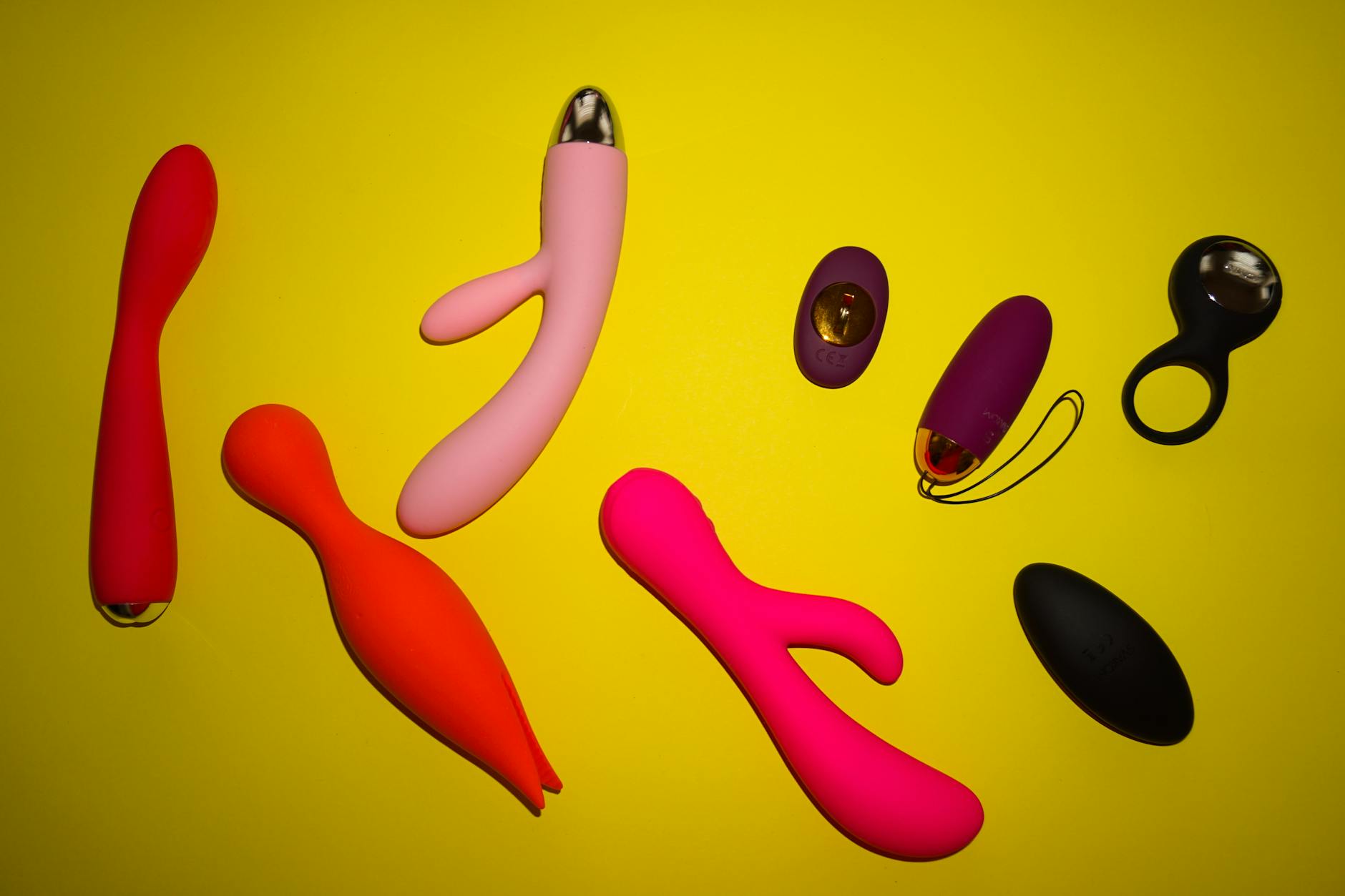
Here's the thing about introducing toys to a partner
It's rarely awkward because of the toy itself. It's awkward because of how the conversation gets framed. Most couples either say nothing until the moment arrives (maximum tension) or they lead with apologetic energy ("I'm sorry my body needs this"). Both setups guarantee friction.
The fix is simpler than you think. You're not asking permission. You're not confessing a secret. You're inviting your partner into a conversation about both of your pleasure, and that conversation changes everything.
Why couples avoid this conversation in the first place
Three fears usually show up.
First: "Will my partner feel replaced or inadequate?" This one sits at the top of almost every anxiety list, but it's rooted in a misconception. A lemon vibrator isn't competing with your partner. It's a tool that can help you reach orgasm faster, easier, or with more intensity. That benefits your partner too. You're not looking for a replacement. You're looking for a co-creator.
Second: "What if they say no?" Fair question. But here's the reframe. If you can't talk about pleasure with your partner, you have a bigger conversation to have first. That's not really about the vibrator. That's about whether you can be honest about what you want.
Third: "I don't want to make them feel pressured." Valid. That's why the conversation happens outside the bedroom, without any expectation that you'll use it right then. You're planting a seed, not issuing a demand.
The timing that actually works
Don't introduce this during sex. Don't mention it when you're both tired or stressed. Don't drop it into an argument about your intimate life.
The sweet spot is a calm moment with privacy. A walk, the car ride home, an evening where you're both relaxed. You want their full attention and yours. You want the tone to be curious, not urgent or defensive.
If you're nervous, name it. "Hey, I want to talk about something that feels a little vulnerable, but I'm excited about it." That honesty usually disarms any defensiveness before it starts.
Four conversation starters that actually work
Option 1: Lead with curiosity about them.
"I've been reading about how a lemon vibrator can actually deepen sensation for both people. I'm curious if you'd be interested in exploring that together. Not because anything is wrong, but because I think it could be fun."
This frames it as a shared experiment, not a solo need.
Option 2: Make it about both of your pleasure.
"I want more of you during sex, and I also want to come faster and easier. A clitoral vibrator like the Lem could help with that. Would you be open to trying it together?"
You're being direct about the benefit without apology.
Option 3: If you've already been using one solo, be honest about it.
"I've been using a vibrator alone, and honestly, it's transformed how I feel about my body. I want to include you in that now. Would that feel good to you?"
Honesty beats secrecy every time. Partners usually respect the truth more than they resent the delay in telling it.
Option 4: Ask them what they want first.
"I've been thinking about ways we could both feel more pleasure together. What would that look like for you? What have you been curious about?"
This is the softest opening and it gives them agency immediately.
What happens after you've had the conversation
They'll likely have one of three reactions. They'll be curious. They'll be hesitant. Or they'll be enthusiastic immediately. All three are normal.
If they're curious but hesitant, that's the most common response. They might need reassurance that this isn't about them failing to satisfy you. You might walk through the mechanics of how a lemon vibrator works, why air-suction toys like the Lem feel different, or how it could fit into your routine together.
You could share an article or video they feel comfortable with. Some people need to see it before they can imagine it. That's okay.
If they push back harder, that tells you something worth knowing. It might be insecurity. It might be a mismatch in sexual values. If it's insecurity, you can work with that through conversation and reassurance. If it's something deeper, couples therapy is the right tool, not forcing a toy into the situation.
If they're immediately enthusiastic, lucky you. The next step is logistics.
How to actually use it together without awkwardness
The first time matters for tone, so think it through.
Don't treat it like an event. It's not a performance. You're just adding a new element to what you already do together. Start with foreplay you both enjoy, and introduce the toy when you're already aroused. Your partner can hold it, or you can. Either way works.
Start at a lower setting. Let yourself take your time. The goal is not a specific outcome. The goal is to explore how this feels with them present. Some women find their orgasms feel different or deeper with a partner watching and participating. Some feel more self-conscious. You might need to try it a few times before you know.
Talk during, if you can. "This feels good." "Higher?" "Slower." Simple things. It keeps your partner engaged and keeps you connected instead of performative.
After, talk about it. What felt good? What didn't? What did they notice? What do you want to try differently next time? This turns it into something collaborative instead of a one-sided experience.
What actually shifts when you bring a toy into couple's pleasure
Three things usually happen.
First, sex often feels less pressured. You're not relying entirely on your partner's effort or timing to reach orgasm. That takes performance pressure off both of you. Your partner gets to watch you orgasm more easily, which most find incredibly hot. You get to experience pleasure without waiting. Win-win.
Second, you often have conversations you wouldn't have otherwise. When you're willing to talk about what a vibrator does for you, you're practicing being honest about desire in general. That carries over. You start talking about other things you want, other boundaries, other curiosities.
Third, you might discover that your partner has been waiting for permission too. Many people have fantasies or curiosities they've been sitting on because they didn't want to seem weird. Once you open the door, they sometimes walk through it.

Photo by FounderTips on Pexels
The long-term benefit of this conversation
You're teaching your partner that you can talk about sex without shame. That's one of the strongest predictors of long-term relationship satisfaction. Couples who can name what they want, what feels good, and what they're curious about tend to stay connected through the inevitable shifts that happen over decades together.
Introducing a lemon vibrator or any clitoral vibrator isn't about fixing something broken. It's about deepening communication and expanding what pleasure can look like between you. Most couples find that once they've had this conversation, it gets easier to have the next one.
The toy is almost secondary to the skill you're building, which is radical honesty with someone you trust.
FAQ: Lemon Vibrators and Partner Conversations
What if my partner feels threatened by a vibrator?
Threatened feelings are usually rooted in a belief that the toy means you want them less. That's understandable but not true. The best remedy is patience and reassurance. Explain that you want them more, not less. A vibrator helps you come faster, which means more time for foreplay, intimacy, and connection. Frame it as a tool for both of you, not a replacement.
Can I use a lemon clitoral vibrator during penetrative sex with a partner?
Yes, absolutely. Many couples use air-suction toys like the Lem during penetration because they don't interfere with positioning. It adds clitoral stimulation while your partner is inside you, which intensifies sensation for both of you. This is why many couples find toys actually improve their shared experience.
Should I ask permission before using a vibrator during sex with my partner?
You don't need permission for your own body, but you do want clear communication. Have the conversation beforehand so they know what to expect. Then during sex, you can check in. "Want to see what this feels like?" Most partners appreciate the invitation more than surprise introduction.
What if my partner wants to use the toy on me but I feel self-conscious?
That's very normal. Self-consciousness often softens with practice. Start in positions where you feel less exposed. Keep your eyes open and stay connected. Remind yourself that your partner chose to be with you, and they're watching you experience pleasure, which most people find beautiful rather than exposing. If it stays uncomfortable, you can always use it yourself while they're present.
How do I bring this up if we've never talked about sex directly?
Start smaller. This conversation is a gateway to all sex conversations. Begin with something like, "I want us to feel more connected sexually. Can we start talking about what we both want?" That opens the door without jumping straight to toys. Once you've had a few conversations about desire, introducing a specific tool becomes much easier.
Is it normal for a couple to need toys to have good sex?
Yes. Toys aren't a sign that something is wrong. They're tools that enhance sensation, make orgasm easier, and add variety. Many couples find that adding toys actually deepens their intimacy because it requires communication and removes pressure. Some of the most connected couples use toys regularly. It's become completely normal.
The real shift happens in the conversation
Introducing a lemon vibrator to your partner isn't about the toy. It's about the conversation it opens. Once you've named desire, asked for what you want, and built permission between you, everything changes. The toy is just the beginning.
Ready to actually have this conversation? Start here. Pick the timing. Pick the opener that feels most true to how you talk to your partner. Say it out loud to yourself first if you need to. Then have the conversation. You'll be surprised how often that openness creates exactly what you were hoping for.
If you need more support navigating couples communication or intimacy questions, reach out to Hello Nancy. We're here to help.