
The thing nobody says out loud
You're horny. Your partner isn't. Or at least not as often. And now you're walking around with this constant low-level resentment because it feels like they're rejecting you, or you're being greedy, or something's wrong with the relationship. Spoiler: desire mismatch is one of the most common friction points in long-term relationships, and it has almost nothing to do with how much someone loves you.
Here's what I tell clients in my office: the problem isn't that one of you wants sex and one doesn't. The problem is that you've framed solo pleasure as a consolation prize instead of a standalone part of your sex life. That frame makes everything worse. A lemon vibrator changes the conversation entirely.
Why desire mismatch happens (and it's not what you think)
Most people assume mismatched libido is about attraction. It rarely is. It's usually about one or more of these:
Stress, fatigue, or mental load. The partner with lower desire is often carrying invisible cognitive work. Childcare, admin, emotional labor. By the time you want touch, they want sleep.
Different arousal timelines. Some people need 5 minutes of mental foreplay. Others need 20. When you don't sync, one person feels rushed, the other feels rejected.
Past relationship patterns or trauma. Someone who was pursued too aggressively, or whose boundaries were violated, sometimes develops lower responsive desire. Their body learned to say no before their brain could say yes.
Hormonal shifts. Medications, birth control, thyroid changes, perimenopause, postpartum recovery. These aren't permanent, but they're real and they're temporary.
The thing almost nobody talks about: resentment itself kills desire. When the higher-desire partner starts feeling hurt or angry, the lower-desire partner feels that. The pressure increases. Desire decreases further. It becomes a loop.
How solo pleasure actually fits in
Listen. Your pleasure is not your partner's job. Full stop.
I know that sounds harsh. But it's also liberating. When you own your arousal separately from your partner's availability, you stop turning every sexual conversation into a negotiation about whether they want you.
A lemon vibrator or any clitoral vibrator becomes a tool for this ownership. It's not cheating. It's not settling. It's self-care that happens to be sexual.
Here's what I've seen work repeatedly with couples:
The higher-desire partner starts exploring solo pleasure regularly. Not when they're frustrated. Not as a band-aid. Regularly. With intention. They learn what gets them off, what speeds and patterns work, what their body actually needs.
This separates the high-desire person's need for pleasure from their need for their partner's participation. These are two different things.
Now, when the couple does connect, there's less desperation. Less "please want me." And weirdly, that's when many lower-desire partners start wanting them more often.
Setting it up so it strengthens your relationship
Don't sneak around with toys. Talk about it first.
I know. Conversation is the unsexy part. But here's the script that works:
"I've realized I need to take better care of my own pleasure outside of us. I'm not saying you're failing me or our sex life is bad. I'm saying my body has needs and I want to meet them myself sometimes. I'm going to explore that with a lemon vibrator. I wanted you to know instead of finding out."
Then set a boundary. This is your solo time. Not something you do in front of your partner to turn them on (unless you both want that later). Not something you do while they're in the house if that feels weird to them. You're building independence here, not performing.
Some partners will feel relief. Some will feel threatened. Both reactions are information. If they feel threatened, you might spend time understanding what's under that. Usually it's fear that you're losing interest in them, or shame that they can't meet your needs. That's a different conversation and worth having, but it's not a reason to suppress your sexuality.
The practical side (what actually works with desire mismatch)
Start with a lemon clitoral vibrator because the design matters here. Air-suction toys like the Lem bypass a lot of the pressure dynamic that can feel aggressive or too intense. The sensation is different from traditional vibration. It's concentrating rather than spreading stimulation. For people who've been touched by partners and felt pressure or expectation, that gentler approach can feel like relief.
Build a routine. Three times a week. Twenty minutes. No phone, no multitasking. This isn't about rushing to orgasm. It's about your body learning you're worth attention.
Notice what happens. Do your patterns shift? Does your body respond faster now that you're not waiting for your partner? Do your refractory periods change? Are there positions or sensations you've never explored?
Let this knowledge feed back into partnered sex. When you do connect with your partner, you already know what works. You can guide them. You can say "harder" or "slower" with confidence instead of hoping they guess.
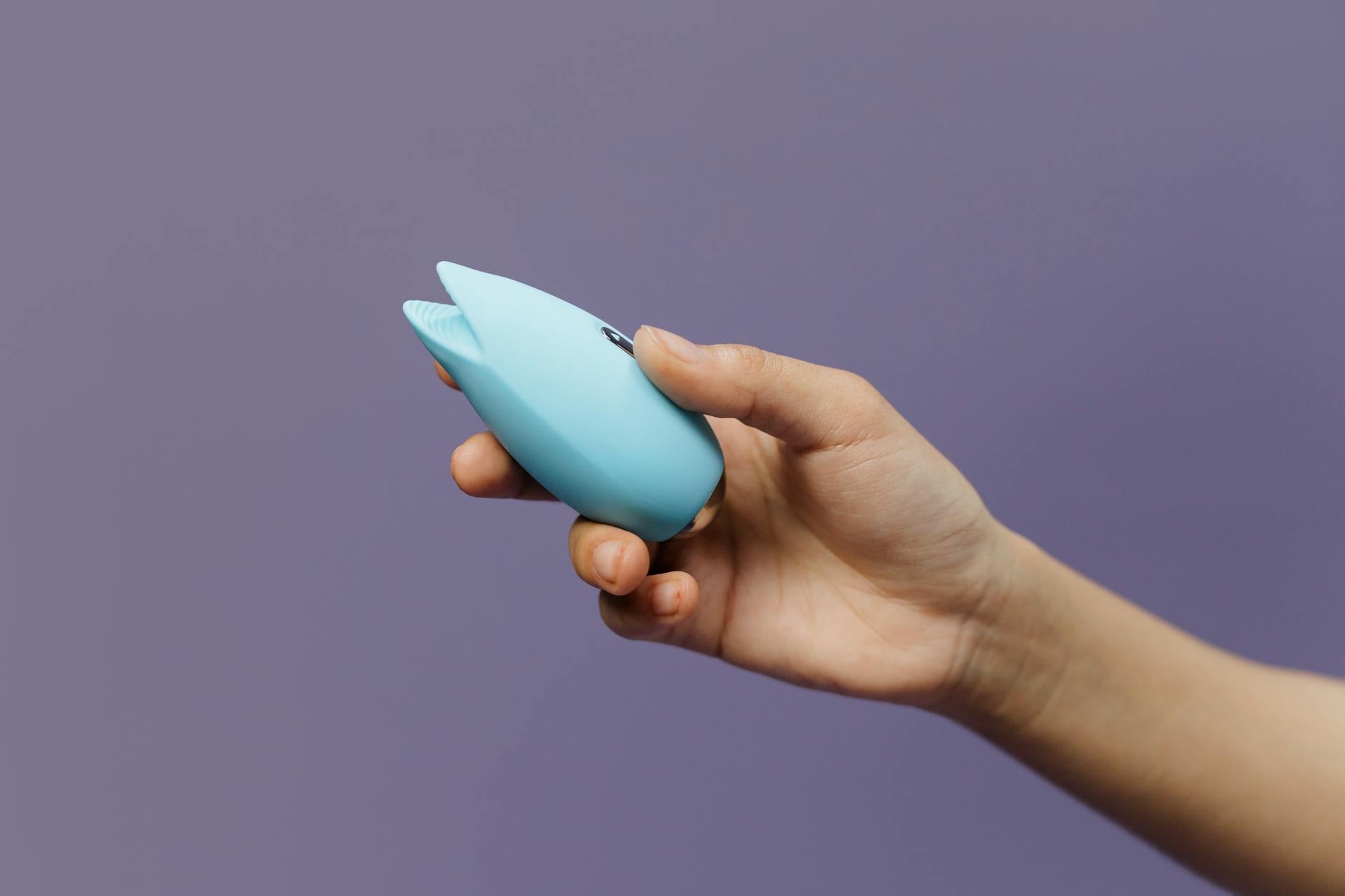
Photo by cottonbro studio on Pexels
When to bring toys into partnered sex
Not immediately. Let solo exploration happen for at least a few weeks. Build confidence.
Then, if you want to integrate a lemon vibrator into sex with your partner, frame it correctly. "I want to use this during us" is different from "I need this because you're not enough." The first is additive. The second is accusatory.
Some lower-desire partners actually want their higher-desire partner to use a toy during sex. It takes pressure off them. They can participate at their own pace. They're not performing. They're present, but the orgasm isn't their responsibility.
This is where desire mismatch can actually flip. The lower-desire partner relaxes because they're not being graded. The higher-desire partner gets their needs met. Both people feel less pressure. Intimacy increases. And then, counterintuitively, desire often syncs up more naturally.
The longer view
You can't force your partner to want sex more often. You can take pressure off them by owning your own pleasure. You can show them what it looks like to be relaxed and embodied. And yes, sometimes they'll want to join in.
But here's what I've learned in 20 years of seeing couples: the ones who survive desire mismatch aren't the ones who perfectly match. They're the ones who stop treating sex as a test of the relationship and start treating it as one part of a relationship that also includes friendship, humor, shared projects, and separate interests.
A lemon vibrator isn't a solution to your desire mismatch. Your partner's lack of interest isn't going to change because you start using one. But it changes the frame from "I'm not wanted" to "I want to feel good, with or without you." And that frame? That's where real intimacy starts to rebuild.
People also ask
Is using a lemon vibrator alone cheating if I'm in a relationship?
No. Solo pleasure is not infidelity. It's self-care that happens to involve your body and a toy. If your relationship agreement says otherwise, that's a conversation to have. But standard relationship expectations do not include owning your partner's orgasm as an exclusive right. Your pleasure is yours to manage.
Should I tell my partner I'm using a clitoral vibrator when they have lower desire?
Yes, eventually. Not as a dramatic confession. Just factual: "I'm exploring my own pleasure more regularly. I got a lemon vibrator. Thought you should know." Transparency builds trust. Secrecy builds resentment. If you hide it and they find out, the discovery becomes the problem instead of the vibrator being neutral.
What if my partner feels hurt or rejected when I use a lemon vibrator solo?
That's worth exploring together, ideally with a couples therapist. The hurt is usually not about the toy. It's about feeling like they're not enough, or fear that you're losing interest, or shame about their own desire. Those are real feelings that deserve attention. But they're not reasons to suppress your sexuality. You can hold space for their feelings and your own needs simultaneously.
Can using a lemon vibrator help us reconnect sexually if desire has been really mismatched for years?
It can be part of reconnection, but it won't fix relationship issues on its own. If desire has been low for years, something deeper is usually happening. It might be resentment, burnout, hormonal changes, or just the slow erosion of emotional intimacy. A lemon clitoral vibrator can help the higher-desire partner feel less desperate and resentful, which helps. But the couple probably also needs to address what killed desire in the first place.
What lemon vibrator settings work best when I'm managing my own desire solo?
Start lower. Patterns 1 through 3 on the Lem let you build arousal slowly. Many people assume they want intensity. Usually what they want is novelty and attention. A slower build teaches your body to sit with sensation instead of chasing release. Once you know your own rhythm, you can experiment with intensity. But the point of solo exploration is learning, not racing to climax.
How often should I use a lemon vibrator if my partner and I have sex once a week?
As often as you want. There's no magic number. Some people do solo exploration 2-3 times a week. Some do once a month. The goal is consistency and presence, not frequency. If you're using it to punish your partner or fill time resentfully, that's information. But if you're using it to care for your own body, whatever rhythm feels sustainable is the right one.