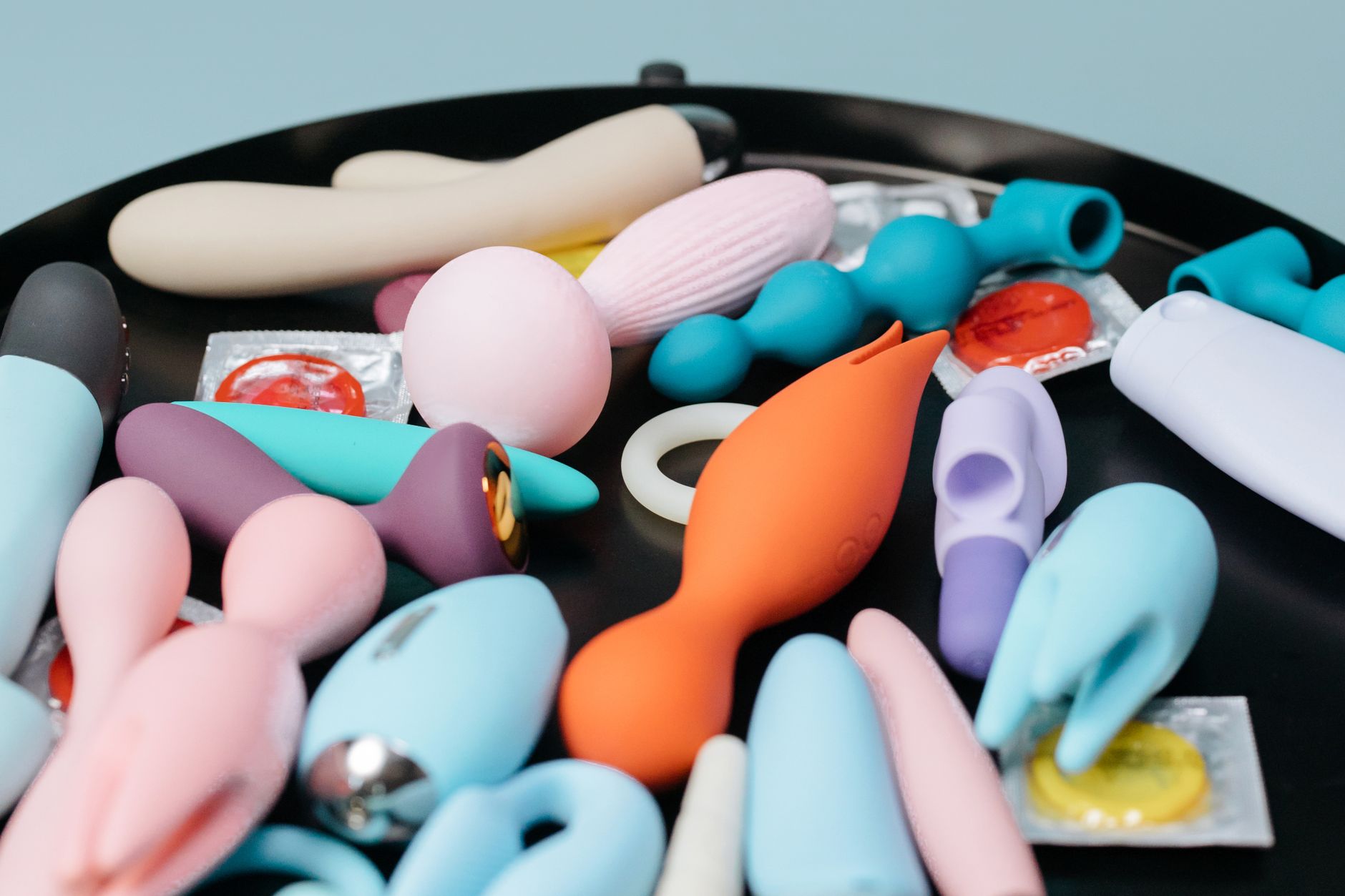
Let's talk about the hormonal reset nobody warns you about
Stopping oral contraceptives doesn't just mean you might get pregnant. It means your entire nervous system, from your clitoris to your brain, rewires itself over the next few months. Your lemon vibrator, if you've been using one while on the pill, might suddenly feel like a completely different toy.
This isn't in your head. It's biochemistry. And understanding what's happening makes the adjustment so much easier.
What oral contraceptives actually do to your pleasure
The pill doesn't turn pleasure off, but it dampens the signal. Here's how.
Oral contraceptives suppress ovulation by flooding your body with synthetic estrogen and progestin, which flattens your natural hormone cycle. This stability is the point, obviously. But there's a side effect most doctors don't mention: suppressed testosterone production.
Yes, people with ovaries produce testosterone. It's crucial for libido, clitoral sensitivity, and the speed at which you become aroused. On the pill, testosterone drops by about 30 percent on average. That means less sensation in your clitoris, a slower build-up to arousal, and often a muted orgasm.
The pill also thickens cervical mucus and thins the uterine lining, which changes how blood flows to genital tissue. Less blood flow means less engorgement, which means your clitoris doesn't plump up the way it normally would during arousal.
All of this is intentional and, for many people, a reasonable trade-off. But it's also largely invisible.
The first 2 to 4 weeks after stopping
Your body doesn't instantly switch gears. The synthetic hormones take time to clear your system, usually 3 to 7 days. But the neurochemical adjustment takes longer.
In the first few weeks after stopping, many people report that sensation feels muted or strange. Your clitoris might feel oddly numb, or arousal might feel sluggish. This is normal. Your body is rebalancing testosterone and adjusting blood flow patterns to your genital tissue.
If you're using a lemon clitoral vibrator during this window, you might feel like you need higher intensity than usual. Your clitoris hasn't regained full sensitivity yet. There's no point pushing through discomfort. This is exactly when you'd benefit from experimenting with the Lem's lower settings and giving yourself more warm-up time.
Weeks 4 to 12: The sensitivity surge
Around week 4, something shifts. Testosterone begins to rise. Your natural hormonal cycle starts to reassert itself, with fluctuations you haven't felt in years (if you've been on the pill for a long time).
This is when many people say their vibrator suddenly feels too intense. The clitoris is becoming hypersensitive. What felt like a reasonable intensity on the Lem's pattern 3 or 4 now feels almost jarring.
This is good news, actually. You're getting sensation back. But it can feel disorienting if you're not expecting it. Your clitoris is relearning how to respond to stimulation, and it's doing it fast.
During this phase, start lower than you think you need to. Pattern 1 or 2 on a lemon vibrator is often the right entry point. You can always move up. You can't unhear a jolt you weren't ready for.
The full recalibration: Months 3 to 6
By the third month, your natural cycle has usually reestablished itself. This is when things get interesting.
Your clitoral sensitivity will now fluctuate with your cycle. During the follicular phase (roughly the first two weeks after your period), when estrogen is rising, clitoral sensitivity increases. During the luteal phase (the two weeks before your period), it typically decreases. This wasn't happening on the pill, so you might find yourself adjusting vibrator intensity week to week in ways that feel strange at first.
Many people also report that their orgasms feel different. Stronger, more localized, sometimes multiple. This is testosterone doing what testosterone does. Your body is remembering its full range.
Your arousal timeline changes too. What took 20 minutes on the pill might now take 8. Or it might take 25. Everyone is different. The key is patience with your own timeline.
Libido shifts that have nothing to do with the vibrator
Here's where things get complicated, and why I always say that sensation changes are only part of the story.
Often, people stop the pill for relationship reasons. They're with a new partner, or they want to feel more like themselves, or they're trying to conceive. These context shifts matter enormously. Stopping the pill alone doesn't increase libido if your relationship is strained or if you're grieving the loss of pregnancy prevention.
If your desire is lower than you expected after stopping the pill, that's worth exploring separately from sensation. Talk to your partner about what shifted. Ask yourself whether you actually wanted to stop, or whether it felt like a compromise. These conversations are harder than adjusting vibrator settings, but they matter more.
Practical adjustments for the first six months
Four things that help most people navigate the transition smoothly.
Start with the lowest setting. Your clitoral sensitivity is recalibrating. You want to work upward, not downward. Most people find patterns 1 through 3 on the Lem are sufficient during this adjustment window, even if you used patterns 5 and 6 while on the pill.
Double your warm-up time. Even though arousal is faster overall, your clitoris still needs blood flow and engorgement. Spend 15 to 20 minutes on foreplay or manual stimulation before using your lemon vibrator. This isn't wasted time. This is information. You're learning how your body responds at each stage of arousal.
Track your cycle, loosely. You don't need an app or a chart. Just notice when intensity feels different. Most people find high-sensitivity windows in the week after their period and lower-sensitivity windows right before. Knowing this is coming makes it less disorienting when it happens.
Give yourself three full cycles before deciding anything. Hormones need time to stabilize. Three months is the minimum for a reliable baseline. If something still feels off after that, talk to your doctor about thyroid function and vitamin D levels. Both affect sexual sensation.
When to worry versus when to wait
Numbness that lasts more than three months might indicate a vitamin deficiency or a blood flow issue. Worth a conversation with your GP.
Pain during sex that wasn't there before is different. That might be pelvic floor tension from stress about the change, or it might be something else. Don't assume it's the pill. Get it checked.
Complete loss of libido after six months, when it was present before, suggests something beyond hormonal adjustment. Talk to your doctor about thyroid function and depression screening. Hormonal changes can sometimes unmask underlying mood issues.
But temporary weirdness in sensation, mild numbness, or intensity fluctuations in the first few months? That's textbook recalibration. You're not broken. Your nervous system is remembering itself.
The upside nobody talks about
Most people, once they're through the adjustment, say they prefer how their body feels off the pill. Stronger orgasms. Faster arousal. More responsive clitoris. Better lubrication naturally.
Yes, there are downsides. Hormonal acne. Cramps. Mood fluctuations. But sexually, many people get their body back. And if you have a tool like a lemon vibrator designed for sensitive tissue and responsive pleasure, you get to experience that reclamation in full.
The adjustment period is real and it's temporary. You're not starting from zero. You're waking something up that was always there, just quieter.
People also ask
How long does it take to feel normal after stopping the pill? Three to six months for hormonal stabilization. Sensation and arousal changes often feel strongest weeks 4 to 12. By month 6, most people have adjusted. Everyone's timeline is different, so compare yourself only to yourself.
Will my clitoris be more sensitive forever? Yes, as long as you're off the pill. That sensitivity fluctuates with your cycle, but the baseline is higher than it was on synthetic hormones. This is usually experienced as a positive thing, though it means you might need to adjust vibrator intensity seasonally.
Can I use the same lemon vibrator settings I used on the pill? Probably not, at least for the first few months. Most people drop one or two intensity levels when they first stop the pill, then gradually work back up as sensitivity recalibrates. This is normal. Don't force intensity.
What if I lose sensation after stopping the pill? Numbing that lasts more than a few weeks suggests something else is going on. Vitamin B12 and D deficiency can cause sensation changes. So can thyroid issues. If it doesn't improve by week 8, talk to your doctor.
Is mood change related to sensation change? Sometimes, yes. Hormone swings affect mood and arousal together. But they're not always linked. You can feel emotionally stable and still experience arousal changes, or vice versa. Track them separately so you understand which is which.
Will my partner notice the difference? Yes, often. You'll likely become aroused faster and orgasm more easily. Some partners love this shift. Others struggle with the change in dynamic. This is worth talking about explicitly, ideally before you stop the pill.
The real adjustment
Stopping oral contraceptives isn't just a physical reset. It's a relationship with your own body resetting. If you've been on the pill since your teens or early twenties, stopping means getting to know a version of yourself you might not remember.
Your lemon vibrator is part of that reacquaintance. Let it be slow. Let it be exploratory. The sensitivity is coming back. Your job is just to meet it where it is.