Let's talk about the refractory period mismatch nobody mentions
You've just finished. Your partner hasn't. Or the opposite. One of you is already thinking about what's for dinner while the other is just getting started. This is one of the most common timing problems in couples' sex, and it quietly creates resentment because it's never directly about desire. Both people want to be intimate. They just want it on different schedules.
Here's the thing: refractory periods are biology. They're not negotiable, and they're definitely not a sign that anything is broken. But the way couples usually handle the mismatch often is broken. One person waits. The other feels guilty. Nobody says anything. Then both people start avoiding sex altogether because the whole experience feels off.
What's actually happening with refractory periods
After orgasm, your nervous system needs time to reset. For some people that's five minutes. For others it's 30 or 45. This variation comes down to nervous system sensitivity, hormonal profile, age, and individual wiring. Neither timeline is better or worse.
The faster person typically feels ready for more stimulation quickly. The slower person needs space to come back down. When you're trying to stay connected during this window, you hit a wall: the person who's ready wants continuation or a second round. The person recovering wants touch to stop or to shift into something gentler.
You can see why couples either give up or one person just goes through the motions faking readiness. Both are dead ends.
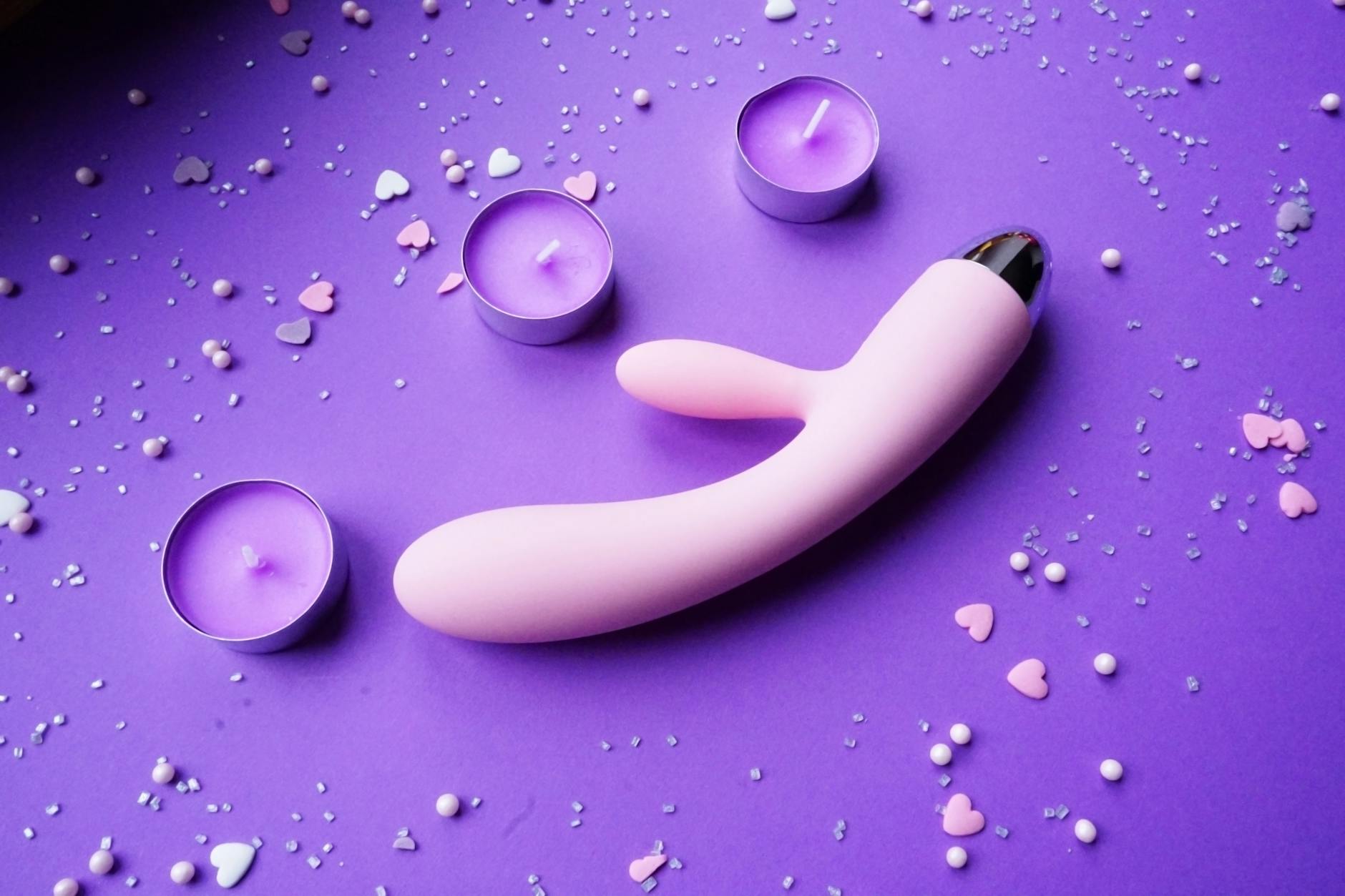
How a lemon clitoral vibrator changes the equation
A tool like the Lem gives you a third option that doesn't require both people to be in the same neurological state. Here's why it works.
First, a clitoral vibrator lets the faster partner stay engaged without depending on the slower partner's body to cooperate. They can explore different patterns, intensities, or sensations while their partner rests beside them. This sounds simple, but it's revolutionary because it breaks the feedback loop of guilt and obligation.
Second, the slower partner can participate at their own pace. They don't have to perform readiness they don't feel. They can touch their partner, guide the device, or just watch and enjoy the show. The point is they're choosing to be present without pretending their body is somewhere it isn't.
Third, lemon vibrators and other clitoral toys are designed for precision. You're not dependent on matching another person's rhythm or pressure. The device does one thing very well. This removes a huge layer of complexity from an already misaligned moment.
The conversation that has to happen first
None of this works if you haven't actually talked about it. And I mean really talked, not hinted at or suggested gently.
Start with curiosity, not blame. "I've noticed after we finish, we're kind of out of sync. I want to figure this out together." Not "You're always too slow" or "You're never satisfied."
Then name what you're each experiencing. The faster person might say, "I still feel present and connected, and my body wants more, but I feel weird asking." The slower person might say, "I need quiet time to come back down, and I feel pressure to speed up."
Once you've named it, you can actually solve it. A lemon vibrator becomes a practical solution to a problem you've both acknowledged, not a band-aid for something nobody wanted to discuss.
Making it work logistically
If you go this route, set some basic parameters that remove guesswork.
Decide in advance: does the faster partner use the vibrator solo, or does the slower partner want hands-on involvement? There's no right answer. Some couples love the intimacy of one partner guiding the device for the other. Others prefer the space of separate exploration happening alongside each other.
Talk about intensity and duration. Maybe the agreement is five minutes of the lemon vibrator at a moderate pattern, then shifting to cuddling. Maybe it's longer, maybe it's multiple rounds. The point is you've already negotiated it, so there's no ambiguity in the moment.
Communicate about what the slower partner needs. Do they want to be touched? Do they want silence? Do they want to talk? Refractory periods don't mean disconnection. They just mean a shift in the kind of connection happening.
The emotional weight this lifts
I've seen couples who had been avoiding sex entirely start having it regularly again once they solved the refractory period problem. Because the real issue was never desire. It was the awkward, guilty, obligation-soaked experience of trying to stay in sync when their bodies were genuinely out of sync.
A clitoral vibrator like the lemon variant removes the performance aspect. You're not waiting for your body to cooperate. You're not watching your partner check out mentally. You're both choosing to stay engaged in a way that actually works for your individual nervous systems.
That shifts sex from something you endure to something you plan for and anticipate. And that's the whole ballgame.
A few practical tips
Keep the vibrator accessible. Don't bury it in a drawer. You're more likely to use it if it's easy to reach when the moment is happening.
Experiment with patterns ahead of time if you're new to clitoral vibrators. The faster partner should know what settings feel good to them, so in the moment you're not having a discovery conversation.
Start without pressure. Your first time using a lemon vibrator as a couple tool doesn't have to be perfect. You might laugh, you might adjust settings, you might realize you need a different approach. That's all fine.
Remember that refractory periods can shift. Stress, hormones, age, and health all play a role. A solution that works for three months might need tweaking. That's not failure. That's just the reality of bodies.
Photo by cottonbro studio on Pexels
When this approach needs more support
If the refractory period gap is huge (one person needs two minutes, the other needs 45), a vibrator helps but doesn't fully solve it. You might also need to learn about mismatched sensitivity levels and how tools help, or have a deeper conversation about what kind of sexual rhythm actually works for both of you over time.
If one partner is consistently resentful about waiting or the other is consistently disappointed, that's worth exploring with a therapist. Sometimes the refractory period mismatch is a surface symptom of something else. A professional can help you separate the biology from the relationship dynamics.
If you're new to using toys together, this guide on introducing a lemon vibrator to your partner walks through communication and comfort building from the start.
People also ask
How long does a refractory period usually last?
It varies wildly. Some people need two to five minutes before they can engage with stimulation again. Others need 20 to 45 minutes or even longer. Age, stress, health, and individual nervous system sensitivity all play a role. There's no "normal" timeline. What matters is that you and your partner both understand your own rhythm and talk about how to work with the mismatch.
Can using a clitoral vibrator make the refractory period shorter?
Not directly. Your nervous system will need whatever time it needs to reset. But a vibrator can make the waiting period less awkward and more pleasurable for the partner who's still in desire mode. That changes the emotional experience of the mismatch without changing the biology of it.
Is it normal for one partner to recover faster than the other?
Completely normal. Research shows huge individual variation in refractory periods. Hormones, age, arousal level, how much stimulation happened, stress, and relationship satisfaction all influence how quickly someone's nervous system comes back online. If both partners are healthy, there's no reason to expect them to match.
What if my partner thinks using a vibrator during this time means they're not enough?
That's an insecurity worth addressing directly. A lemon vibrator isn't a replacement for your partner. It's a tool that lets both people stay engaged when their bodies are on different timelines. You could frame it as, "I want to be closer to you in the ways that actually work for both of us." Many couples find that introducing toys together actually deepens their connection because it removes guilt and obligation from sex.
Does the slower partner just have to wait?
Not at all. They can touch themselves, be touched by their partner, guide the vibrator, or simply be present without any direct stimulation. The point is they're not pretending to be ready for more when they're not. They're choosing how they want to participate during their own refractory period.
Can we use a lemon vibrator if we've never used toys before?
Yes. Start with a conversation about why you want to try it. Refractory period mismatch is actually a practical, non-threatening reason to introduce a toy as a couple. You're solving a real problem together, not adding something out of nowhere. That context makes it easier for both partners to get on board.