Let's be real about what that IUD actually did
Hormonal IUDs work because they suppress your libido. That's not a side effect. That's the mechanism. The levonorgestrel (synthetic progestin) released directly into your system dampens the signals your brain uses to generate sexual desire. Lower dopamine, less frequent sexual thoughts, reduced genital sensation. For birth control purposes, this is efficient. For your sex life, it's brutal.
So when you remove that IUD, your body doesn't immediately flip back to baseline. Your hormones have to recalibrate. Your brain has to remember what desire feels like. That process takes weeks, sometimes months. And in the meantime, you're stuck in this weird liminal space where you know you should want sex, but the wanting part is still misfiring.
How long does libido actually take to return
Most people notice a shift within two to four weeks of removal. By eight weeks, desire is usually noticeably higher. But some folks don't feel fully themselves for three to six months. This isn't failure. This is neurobiology.
Your body has been bathed in synthetic progestin for years, possibly. The receptors in your brain that process sexual motivation are accustomed to working in a suppressed state. When that suppression lifts, they need time to upregulate. The dopamine pathways associated with desire need to reactivate. Your genital sensitivity needs to return.
And here's the tricky part: if you've been in a long-term relationship during that suppressed period, you and your partner may have built your entire intimate rhythm around lower desire. When your libido suddenly starts climbing back, it can feel destabilizing for both of you. Your nervous system has forgotten how to be turned on. Their nervous system has forgotten how to initiate.
Why a lemon vibrator matters during this transition
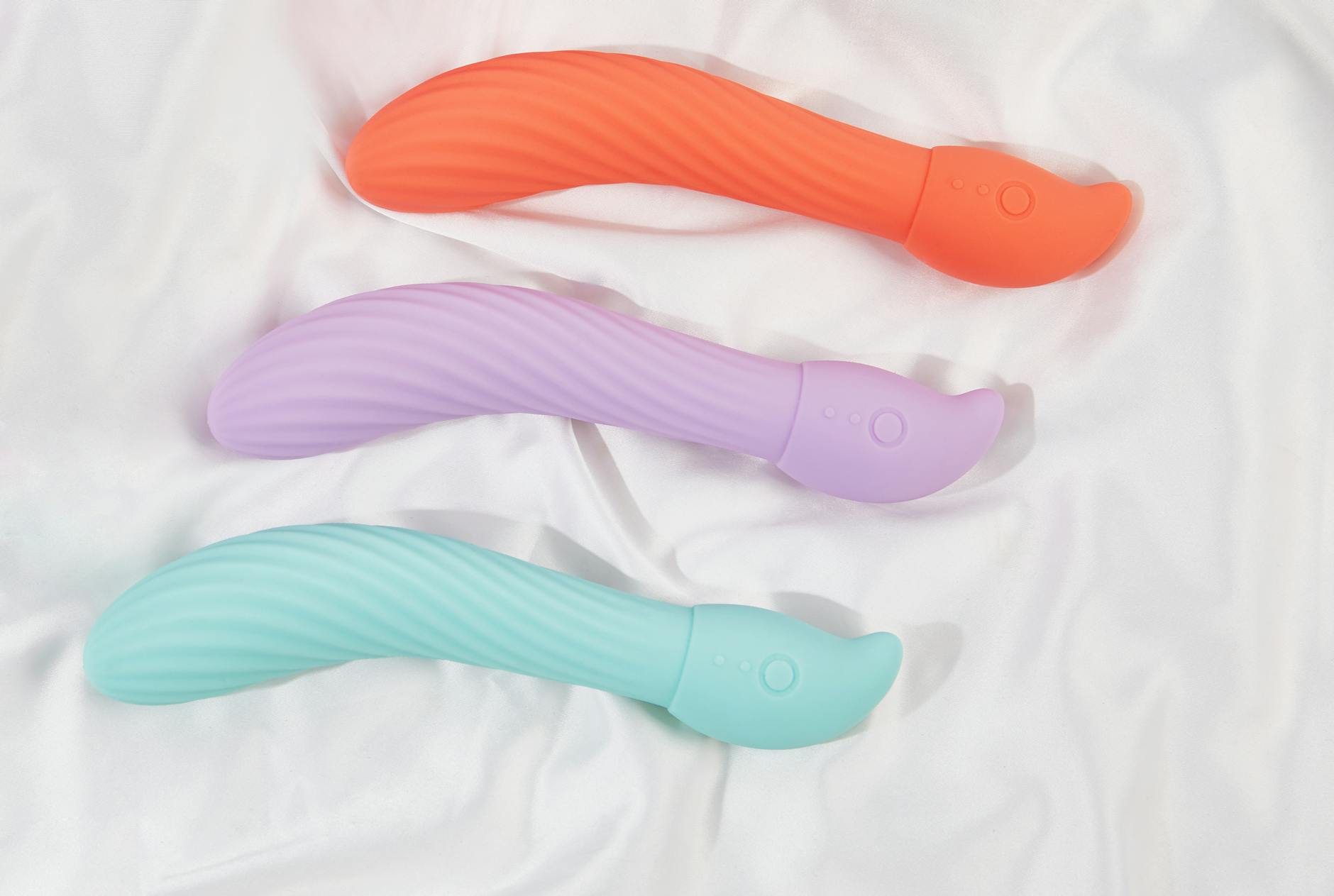
This is where tools like Hello Nancy's lemon clitoral vibrator become genuinely useful. Not as a replacement for your returning desire, but as a bridge that helps your body remember what arousal feels like while your hormones are still finding their footing.
Here's the neurology: clitoral suction stimulation (the kind that lemon vibrators deliver) activates nerve pathways independently of hormonal priming. You don't need to "feel like it" first. The lemon sucker creates a physical response that your nervous system recognizes as pleasure, even when your brain is still sluggish from hormonal withdrawal.
This matters because it breaks the shame spiral. You remove the IUD expecting desire to roar back. It doesn't. You feel broken. Your partner feels rejected. You start avoiding touch. Then your body genuinely can't access arousal because you're in a protective state. A lemon clitoral vibrator short-circuits that loop. You use it. Your body responds. The pleasure is real. Your brain starts remembering that sex is a thing you can feel.
The settings that help during hormonal rebalancing
When your body is still recalibrating, intensity matters. Start with the Lem's lower patterns (1-3) rather than diving into high settings. Your genital tissue is probably still somewhat desensitized from the hormonal suppression, but paradoxically, it's also sensitive in a raw way because it hasn't been stimulated in a while.
Build slowly. Spend time on patterns 1 and 2 for the first few weeks. Let your nervous system remember what gentle pleasure feels like. You're essentially retraining your body's responsiveness.
Many people find that once they hit the three-week mark of IUD removal, they can tolerate higher patterns. By six weeks, most are comfortable across the full range. But everyone's timeline is different. Honor your actual sensitivity, not what you think it should be.
What to tell your partner (and yourself)
If you're coupled, the conversation matters more than the tool. Your partner probably thought your low desire was about them. Knowing it was a hormone-dispensing device, not a reflection of attraction, changes everything. But that conversation can't wait until you're already feeling awkward about sex.
Have it now, while you're both still a little shellshocked from the removal. Be specific: "My IUD suppressed my libido. It's coming back gradually. I want to reconnect with you while that happens, but I need us to understand it's going to feel different than before." That context gives both of you permission to be patient.
If you're single, the realization that you didn't actually lose your sex drive, it was just pharmacologically borrowed, can be oddly freeing. You get to rediscover what turns you on without the pressure of a relationship's expectations.
The physical changes you might notice
Beyond libido, hormonal IUD removal brings other shifts. Genital sensation usually improves within a few weeks. Your vulva gets more blood flow again. The clitoral tissue that felt somewhat numb or distant starts to have normal sensitivity. This is wonderful, but it can also feel weird at first. You might be more sensitive to friction than before. Water-based lubricant becomes your friend.
Orgasms, if you had them before, often return with surprising intensity. Many people report that their first few orgasms after IUD removal feel noticeably stronger than they did during the suppressed period. This is largely because your brain chemistry is recalibrating and flooding you with dopamine and oxytocin again. It's your nervous system celebrating.
Some people also notice that their menstrual cycle feels more intense in the first month or two after removal. Emotions, libido, energy all fluctuate more obviously because you're no longer suppressing those hormonal signals. This is normal and settles down.
When to check in with a doctor
If a month has passed and you're feeling zero shift in desire, it's worth mentioning to your provider. Sometimes there's an underlying factor. Thyroid issues, vitamin deficiencies, depression, or other hormonal imbalances can mask the return of libido. Getting bloodwork done can rule those out.
Likewise, if genital sensation hasn't improved at all by the eight-week mark, or if you're experiencing pain with any attempt at arousal, talk to a gynecologist. There are interventions that can help. But give yourself at least that window first. Your body is recalibrating.
The timeline that actually helps
Here's what I typically see in my practice. Week one: you feel like you made the right decision removing it, but libido isn't magically back. Week two to three: a spark returns. You notice sexual thoughts again. Maybe you don't act on them yet, but you notice. Week four to six: desire is climbing noticeably. You're starting to initiate or be receptive in ways that feel more natural. Week eight: most people are back to a recognizable version of their pre-IUD self.
After that, the recovery is usually just momentum. You're having sex again. You're releasing dopamine and oxytocin again. Your brain is being reminded that pleasure is normal and available. A lemon vibrator used during this window isn't about compensating for broken desire. It's about giving your nervous system a legitimate pleasure signal while your hormones catch up.
The goal isn't to depend on the vibrator. The goal is to use it as a bridge tool for three to six months until your endogenous desire is reliably available again. Then you've got a choice: keep using it because it feels good, or set it aside. Either way, you're no longer using it to convince yourself you're capable of pleasure. You're just using it because you want to.
Rebuilding intimacy with a partner during recovery
If you're partnered, the months after IUD removal are a chance to rebuild sexual connection consciously, not out of obligation. Instead of "I should want sex," it becomes "I'm interested in exploring what feels good now that my brain is recalibrating."
Bring the lemon clitoral vibrator into that exploration if it feels right. Some couples find it helpful to use it together, with their partner. Others prefer to explore it solo first and then reintroduce partnered sex separately. There's no wrong way. The point is that you're moving toward pleasure, not away from it.
The pressure to immediately return to pre-removal intimacy patterns is real, and it's worth resisting. You're not the same person you were with the IUD in place. Your partner isn't either. This is a reopening, not a return.
One more thing about patience
If you removed your IUD expecting instant libido and you're frustrated because it's been two weeks and you still don't feel like jumping into bed, that frustration is valid. But it's also evidence that you need to let yourself exist in the in-between state for a little longer. Your body isn't broken. It's recalibrating. A lemon suction vibrator can remind you what pleasure feels like in the interim. Let that be enough for now.
People Also Ask
How long does it take for libido to return after hormonal IUD removal?
Most people notice increased sexual desire within two to four weeks of IUD removal. By eight weeks, most feel significantly closer to baseline. However, some take three to six months for full hormonal recalibration. The synthetic progestin in hormonal IUDs actively suppresses desire, so when it's removed, your brain needs time to upregulate dopamine and sexual motivation pathways again. This isn't failure. This is biology.
Can a lemon vibrator help with low libido after IUD removal?
Yes, but not by raising hormones. A lemon clitoral vibrator activates pleasure pathways in your nervous system independently of hormonal priming. When your libido is still dormant from hormonal suppression, using a lemon suction toy can give your body a legitimate pleasure signal, which helps your brain start remembering what arousal feels like. It's a bridge tool, not a permanent solution.
Is it normal to feel zero desire for months after IUD removal?
It depends on how long you had the IUD in place. If it was several years, your brain became accustomed to operating in a suppressed state. Recovery can take longer. If you're still feeling completely flat after three months, it's worth checking in with your doctor. Thyroid issues, depression, or other hormonal imbalances can sometimes mask the return of desire, and bloodwork can rule those out.
Will my orgasms feel different after IUD removal?
Often yes, and usually better. During hormonal IUD use, many people experience difficulty reaching orgasm or less intense orgasms due to suppressed dopamine and reduced genital sensation. As these factors normalize post-removal, orgasms typically return with more intensity. Some people describe their first orgasm after removal as surprisingly strong because their whole nervous system is celebrating the absence of suppression.
Should I tell my partner my IUD was suppressing my libido?
Absolutely. If your partner has interpreted your low desire as rejection or lack of attraction, knowing it was a pharmaceutical effect changes everything. This conversation prevents resentment during the recovery period and gives both of you permission to slowly rebuild intimacy without pressure. It also explains why you might suddenly be more interested in sex, which prevents them from feeling caught off-guard.
Can I use a lemon vibrator if I'm still sensitive after IUD removal?
Yes, but start with the lowest settings. Your genital tissue might be desensitized from hormonal suppression, but it's also raw because it hasn't been stimulated in a while. Use patterns 1-3 on your lemon clitoral vibrator for the first few weeks. Most people can tolerate higher patterns by the six-week mark. Water-based lubricant helps if any friction feels uncomfortable.
References and Sources
The information in this article draws from clinical research on hormonal IUD effects and recovery, as well as established sexual medicine literature on desire, arousal, and the role of dopamine in sexual motivation. If you're considering IUD removal or experiencing persistent low libido post-removal, consulting a gynecologist or sexual medicine specialist ensures personalized guidance aligned with your health history.