
Let's name what actually happens
Your relationship ends. Within days, maybe weeks, arousal vanishes. Not because you're broken or unlovable. Because your nervous system just got catastrophically uprooted, and staying switched off is its way of protecting you.
This is so common that I'd argue it's universal. People don't talk about it, which means most of you think you're alone in it. You're not. And understanding the mechanics actually helps.
Why desire flatlines after a breakup
Arousal requires a specific neurochemical cocktail: lowered cortisol, elevated dopamine, access to your parasympathetic nervous system. A long-term relationship breakup does the opposite. It floods your body with stress hormones, depletes dopamine (your reward neurotransmitter), and leaves your nervous system in fight-or-flight for weeks or months.
There's also identity collapse. For years, your sexuality was part of a couple story. That narrative ends. Your brain needs time to remember that pleasure exists outside that context. That you exist outside that context.
Additionally, if there was conflict near the end, or if the breakup surprised you, your nervous system may have learned to see intimacy as dangerous. Touch becomes triggering. Arousal feels impossible or even repellent.
None of this is permanent. But pretending it will vanish on its own is useless.
The physical shutdown is protective, not permanent
Your body didn't forget how to feel pleasure. It's protecting you. When you're grieving a major loss, your nervous system actually downgrades non-survival functions. Digestion slows. Immune response dampens. Sex drive tanks.
This is adaptive. For weeks after a breakup, your energy should go toward processing grief, establishing new routines, and stabilizing your nervous system. Using a lemon vibrator during this phase isn't about forcing arousal back. It's about signaling safety to your body in micro-doses.
The difference matters. You're not trying to feel horny again. You're reminding your nervous system that sensation can exist without threat.
Why a lemon vibrator works better than willpower
Cortisol is high. Willpower is low. Trying to "just get in the mood" is like trying to sleep while your house is on fire.
A lemon clitoral vibrator bypasses willpower entirely. The suction sensation stimulates nerve endings directly, triggering a micro-chain reaction of pleasure signals without requiring your mind to cooperate. It's mechanical, not psychological. Your nervous system experiences pleasure without your brain needing to authorize it first.
For people recovering from relationship trauma, this is crucial. Your thinking mind is still in breakup mode. Your body doesn't have to wait for it to catch up.
Start at the lowest settings. Pattern 1 or 2. No pressure to orgasm. The goal is simply sensory input without overwhelm. Fifteen minutes of low-level stimulation, once every few days, can begin teaching your body that pleasure is safe again.
The timeline: what to expect
Everyone's nervous system heals at a different pace. But here's the rough pattern:
Weeks 1-2. Arousal still feels impossible. If you try a lemon vibrator, you might feel numb or even disconnected. This is normal. Continue gently. Your nervous system is still in shock.
Weeks 3-6. Small windows appear. Maybe after a good day, or during a moment when you're not thinking about the breakup. Start here. These windows are signs your nervous system is beginning to shift out of survival mode.
Weeks 7-12. Sensation begins returning more consistently. A lemon clitoral vibrator now works noticeably better. Patterns feel pleasurable rather than numb. Orgasms may be shallower than they were, which is fine. Your body is still recalibrating.
3+ months. Most people find their baseline returning. Not the old baseline (that was built with someone else), but a new one. Often better, because it's happening for you, not for the partnership.
Grief is not the same as depression
If it's been more than 3-4 months and you still can't access any pleasure at all, and your entire nervous system feels numb or dark, that's worth checking in with someone. Not because something is wrong with you, but because prolonged anhedonia (inability to feel pleasure) is sometimes grief tipping into depression.
A therapist can help you tell the difference. A doctor can rule out hormonal changes (breakups can disrupt cortisol and thyroid function). Both are worth considering if numbness doesn't gradually ease.
If it's just grief and time, a lemon vibrator and patience will get you there. But if it's depression wearing grief's clothes, you might need more support.
The mental work that makes the physical work
Using a lemon sexual toy won't heal a breakup on its own. But it can work alongside these three practices:
1. Separating identity from the partnership. Spend 10 minutes writing down things that turn you on that have nothing to do with your ex. Specific sensations, scenarios, fantasies. Even if they feel faint or distant right now. Your sexuality is not a couple thing. It's a you thing. Rebuilding that distinction matters.
2. Removing guilt about self-pleasure. Many people who've been in long-term relationships internalize a belief that masturbation is "cheating" or "not real sex." After a breakup, this sometimes resurfaces as shame. It doesn't. Self-pleasure is how you reestablish ownership of your body. Use a lemon vibrator guilt-free.
3. Noticing tiny shifts, not waiting for fireworks. You won't suddenly feel horny again. Instead, you'll notice: the vibrator felt less numb today. I didn't cry during this session. My body remembered something was possible. These are huge wins. Celebrate them.
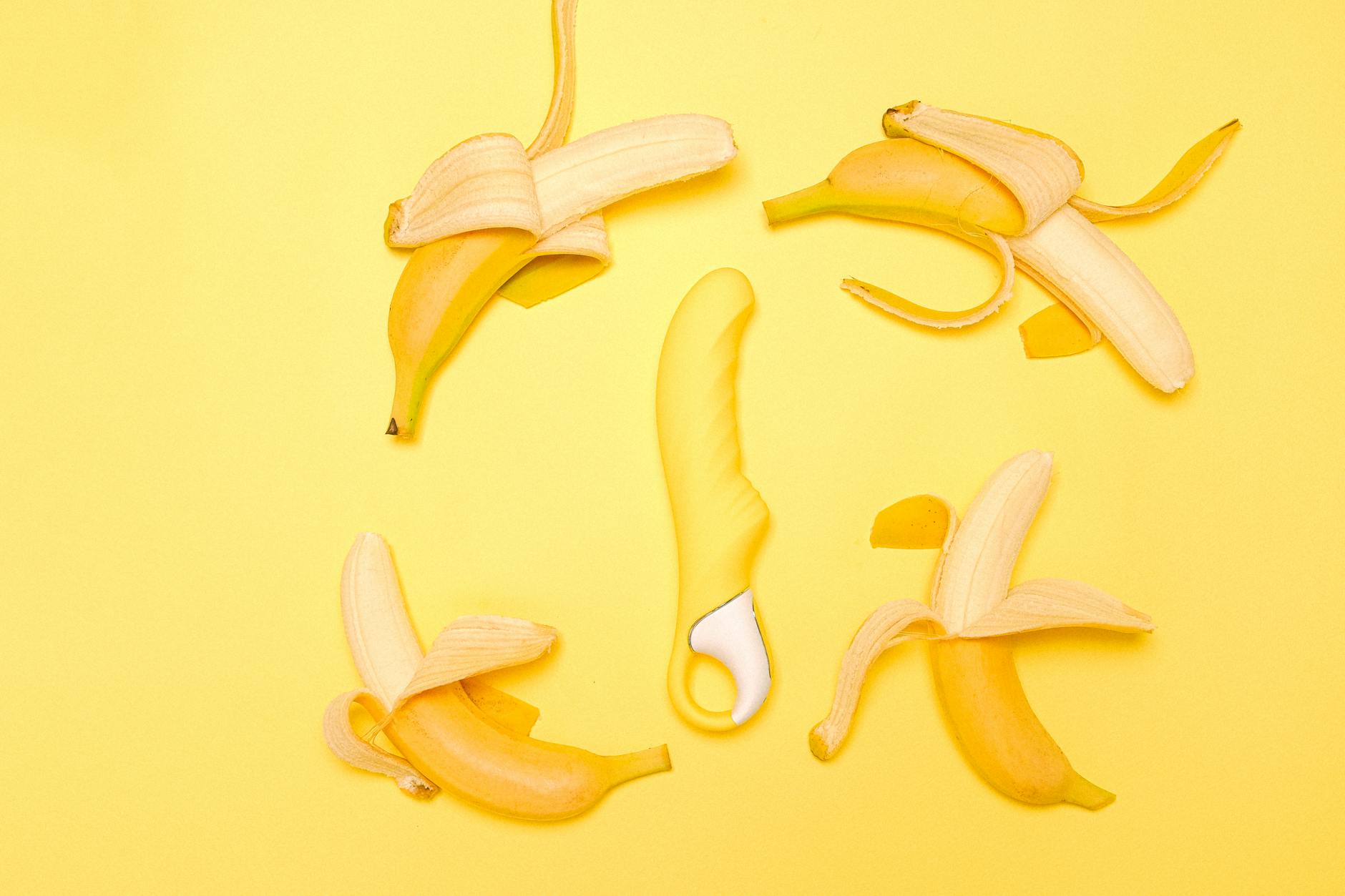
Photo by Anna Shvets on Pexels
When you're ready to connect with someone new
Don't rush this. But when you do start dating or considering new partners, there's useful information to know.
Your arousal response will feel different with someone new. That's not a problem. It's actually adaptive. Your nervous system learned to associate sex with your ex. A new partner means building a new sensory history, which takes time.
Before anything sexual happens, you might benefit from some hands-on exploration alone. Figure out what your current baseline is. What patterns on the lemon clitoral vibrator feel best now. What scenarios or fantasies are alive in your mind. This becomes your baseline for what to communicate to a new partner.
Also be honest about the breakup timeline. If you're three months out and still tender, your body knows it. A patient partner gets that. A pushy one is a sign your nervous system was right to stay protective.
Small tools for accelerating nervous system reset
Beyond the lemon vibrator, a few practical things help signal safety to your body:
Cold water on your face (literally activates your parasympathetic nervous system). Consistent sleep and movement (your brain processes grief through repetition and rest). Time outside without purpose (not exercising, just existing in green space). Low-stakes touch, like massage or acupuncture (reminds your nervous system that touch can be non-sexual and safe).
These sound small. They're not. They're the background conditions that make a lemon sexual toy actually work. Without nervous system support, even the best toy won't restore arousal. With it, things shift fast.
You're not supposed to be fine yet
There's a weird cultural script that says you should bounce back from a breakup in six weeks. That you should be "over it" and "ready for someone new" on some arbitrary timeline.
Ignore that. Reconnecting with pleasure after a long-term relationship ends is slow work. It involves grief, nervous system healing, identity reconstruction, and sometimes therapy. A lemon clitoral vibrator is one useful tool in that process, not a shortcut around it.
Your body's initial shutdown was protective. Honour that. Then, gently and without pressure, help it remember that sensation and pleasure are possible again.
Your pleasure matters. And it's waiting for you.
People also ask
How long after a breakup should I wait before using a vibrator again?
There's no universal timeline. Some people benefit from starting immediately (within days) at the lowest, gentlest settings as a nervous system reset tool. Others need 2-3 weeks before touching feels safe. Listen to your body. If the idea of a lemon vibrator feels repellent right now, don't force it. If it feels neutral or slightly appealing, trying it gently is usually fine.
Can using a lemon clitoral vibrator actually speed up healing from a breakup?
Indirectly, yes. It doesn't heal the emotional wound, but it does help your nervous system recognize that pleasure and safety can coexist. This accelerates your overall recovery because you're not locked in survival mode. Combined with time, support, and nervous system work, yes.
What if I feel numb when using a lemon sexual toy after the breakup?
Numbness is completely normal for the first 2-4 weeks. Your nervous system is protecting you from overwhelm. Keep using the vibrator at very low settings, no pressure for orgasm, just for the sake of sensory input. Your capacity for feeling will return. If numbness continues beyond 8-12 weeks, check in with a therapist or doctor.
Should I tell a new partner I'm using a lemon vibrator during my breakup recovery?
If you're dating already, you don't need to announce your solo pleasure practices. It's normal and healthy. If you do decide to share, frame it as what it is: "I'm rebuilding my connection with my own body." A mature partner gets it. An immature one probably shouldn't be in your life anyway.
Can a breakup permanently kill your sex drive?
No. What feels permanent right now is temporary. Your nervous system is in crisis mode. Once that crisis passes (usually 2-6 months), arousal returns. If it hasn't returned after 6+ months and you're otherwise feeling better, see a doctor. Sometimes prolonged breakup stress affects thyroid or cortisol levels, which do need medical support.
Is there a difference between using a lemon vibrator alone versus with a partner during breakup recovery?
Yes. Solo use is about reconnecting with your own pleasure and nervous system safety. Using a toy with a new partner is about building new shared intimacy. Both matter, but don't rush to the second one. Rebuild your foundation first.
If you're in the thick of it right now, that nervous system shutdown you're experiencing isn't a character flaw or proof that you've broken. It's evidence that the relationship mattered. Your body is grieving. Give it time, gentle tools like a lemon clitoral vibrator, and the space to find its way back. It will.
Need to talk through the recovery process with someone trained in relationship trauma? Reach out—we're here to listen without judgment.