How long-term stress steals pleasure
Honestly, the worst part of chronic stress isn't the anxiety or the exhaustion. It's that your body stops responding to the things that used to feel good. Touch feels flat. Orgasms feel distant or absent. Your partner initiates and you feel nothing, which then triggers guilt, which kills whatever flicker of desire might have shown up.
This isn't laziness. It's not a sign your relationship is dying. It's neurobiology. When you're stressed long-term, your nervous system camps out in survival mode. Your brain deprioritizes pleasure because from an evolutionary standpoint, pleasure isn't survival. So it gets shelved. You get numb.
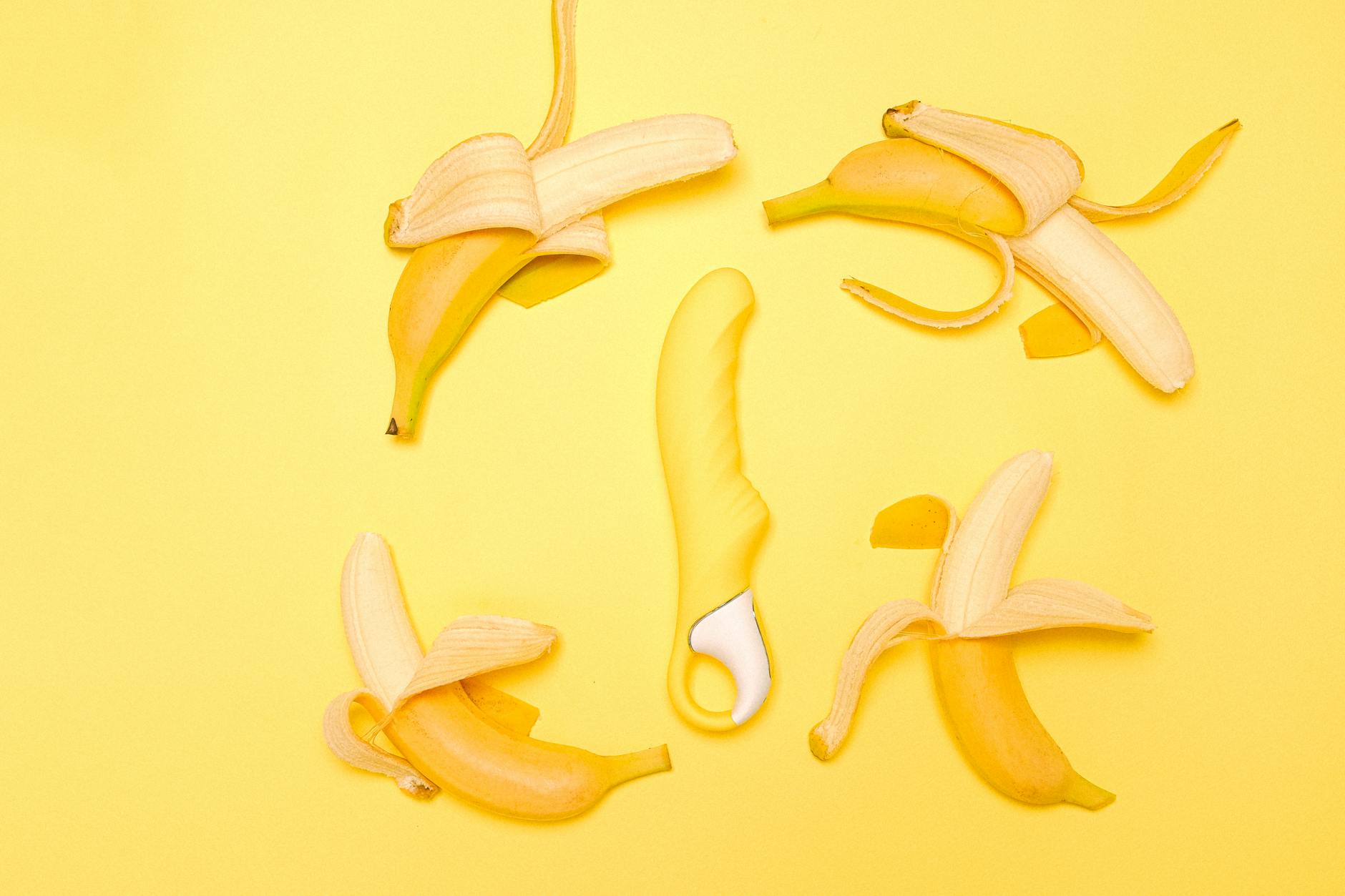
The good news: numbness is reversible. It takes patience and the right tools. A lemon clitoral vibrator is one of those tools.
Why stress numbs the clitoris
Understand the mechanism first. Chronic stress keeps your sympathetic nervous system (fight-or-flight) firing constantly. Meanwhile, your parasympathetic nervous system (rest-and-digest, where pleasure happens) barely gets a word in. Blood doesn't flow to your genitals as readily. Neural sensitivity decreases. Your brain is literally too busy scanning for threats to process sensation.
On top of that, cortisol, your main stress hormone, interferes with nitric oxide production, which is essential for clitoral engorgement. So even if you want to feel something, the plumbing doesn't cooperate.
Add to this the emotional layer: you feel guilty for not wanting sex. You worry your partner thinks you're checking out. You start avoiding touch altogether because initiating and feeling nothing is worse than not trying. The spiral gets deeper.
But here's what matters: your capacity for pleasure hasn't been damaged. It's been paused. Waking it back up requires a gentle, patient approach.
Start with nervous system reset, not intensity
Before you even touch a lemon vibrator or any sex toy, your first job is to coax your parasympathetic nervous system back online. You can't rebuild pleasure from a state of threat.
Three non-negotiable groundings before intimacy:
Box breathing. Inhale for four counts, hold for four, exhale for four, hold for four. Do this for two minutes before any touch session. It directly signals safety to your brain.
Body scan without judgment. Lie down and notice sensations in your body for five minutes, but don't fix anything. The goal is to relearn that your body exists outside of the stress narrative.
No pressure to respond. Tell your partner (or yourself, if you're solo) that tonight, the goal is zero orgasms and zero performance. Just sensation. Just presence. This removes the terror of "what if I don't feel anything."
Do this for at least three to five sessions before introducing a vibrator. I know that sounds slow. It's not. It's the foundation.
How to actually use a lemon vibrator for reconnection
Once your nervous system is slightly more settled, a lemon clitoral vibrator becomes your reconnection tool. Here's why: clitoral sucction toys like the Lem work differently than traditional vibrators. Instead of friction-based stimulation, they use gentle pulsing suction. For someone numb and stressed, this gentler, more enveloping sensation is often more effective at breaking through.
Start at the lowest pattern and intensity. We're not chasing orgasms. We're chasing any micro-sensation: warmth, tingling, a dull ache, even just awareness that you're touching yourself. That's success.
Position matters. Lie on your back, knees bent, in a comfortable, supported position. Put a pillow under your hips so you're not straining. This isn't about looking sexy. It's about comfort and ease.
Apply the lemon vibrator at the edges of your clitoris first, not directly on it. Your clitoris is likely already overstimulated by stress hormones and underresponsive to sensation. Direct contact might feel irritating rather than pleasurable. The edges, the labia, the whole vulva becomes your playground.
Set a timer for 10 minutes. Not to rush yourself, but to create a contained space where you're not spiraling about "how long is this taking." Contained time is less stressful than open-ended time.
If you feel nothing after ten minutes, stop. Not in defeat. In compassion. Your body just said it needs more recovery time. That's information, not failure.
Repeat this three to four times a week. Consistency matters more than intensity.
Adding touch and breathing as you reconnect
Around session five or six, add your own hand alongside the lemon vibrator. Use your fingers on your labia, your inner thighs, your pubic mound while the toy works. This combination of textures, temperatures, and sensations helps your nervous system register multiple input streams, which deepens the reconnection.
Keep breathing throughout. This is not a performance cue. Breath is how your parasympathetic nervous system knows it's safe. If you notice you're holding your breath, gently release it.
If sensations start to emerge (tingling, warmth, even mild arousal), don't chase it. Let it exist without amplifying. The moment you notice yourself thinking "finally, this is working, keep going," you've left sensation and entered performance mode again. Return to just noticing.
The role of narrative in reconnecting
Here's something that gets overlooked: numbness after stress isn't just physical. It's a story your brain is telling itself. "My body doesn't work." "I'm broken." "I'll never feel this again."
Every time you sit down with your lemon vibrator and your nervous system, you're rewriting that story by gathering evidence. "My body responded a little today." "I noticed warmth for a few seconds." "I'm still here, still trying."
Tell your partner, if you have one, what you're doing and why. Not to perform the story for them. But so they understand this is a project of reconnection, not rejection of them. You might also ask your partner to give you dedicated time: they stay close but don't touch, they breathe with you, they witness your return. That shared safety accelerates healing.
When to expect shifts
Sensation usually begins to return in weeks two to four of consistent practice. It's subtle. A slight warmth where there was numbness. A millisecond of tingling. The first micro-orgasm might feel like a muscle twitch rather than the full-body waves you remember.
That's normal. After shutdown, the nervous system rebuilds in layers. You're not chasing the old feeling. You're building a new one, from scratch, with a body that has been through stress.
By week eight, most people report they can feel stimulation reliably. By week twelve, arousal begins to unfold more naturally. By four months, many clients are back to wanting sex, initiating it, and experiencing genuine pleasure. The timeline varies based on how chronic the stress was and whether it's ongoing.
If stress is still active in your life, pleasure reconnection is slower. You can't outrun your nervous system with a vibrator. But you can run alongside it. Pleasure becomes a practice, a ritual, a weekly conversation your body has with safety.
Troubleshooting when reconnection stalls
You've been practicing for three weeks and still feel nothing. Here are the most common reasons and what to do.
The stress is still firing. If your life circumstances haven't shifted, your nervous system won't settle enough to reconnect. You might need to address the root stress first. That could mean therapy, setting boundaries with work, leaving a relationship, or getting treated for depression or anxiety. A lemon vibrator is a tool, not a substitute for addressing what's actually killing your peace.
You're in your head about performance. Notice if you're thinking "this should be working by now" or "what's wrong with me." The moment you're evaluating, you've left the body. Return to the breath and the sensations without narrative.
Your partner's presence is adding pressure. Some people reconnect faster solo. If you have a partner, consider splitting practice: some sessions with them present in the room but not touching, some sessions completely alone. Both modalities have value.
You need actual rest first. Sometimes numbness isn't stress-induced disconnection. It's burnout, and your body is saying "I need to sleep first." If you're exhausted, postpone pleasure practice. Rest is the prerequisite.
FAQ: Reconnecting pleasure after long-term stress
How is using a lemon vibrator different from using regular vibrators when you're stressed and numb?
Lemon clitoral vibrators use gentle suction instead of buzz-focused vibration. For stressed, desensitized bodies, suction is often less harsh and more enveloping. It feels like a softer way to wake up sensation. Traditional vibrators can feel overwhelming or even irritating when you're numb and your nervous system is already on high alert.
Can I use a lemon vibrator with my partner during this process, or should I reconnect alone first?
Both work. Solo practice is often easier to start because there's zero performance pressure. Once sensation returns solo, adding your partner can deepen the experience. You might alternate: three solo sessions weekly, one or two partnered sessions. This keeps the process safe and prevents your partner's presence from triggering performance anxiety.
How long before I feel genuine arousal again, not just sensation?
There's a difference. Sensation (warmth, tingling, physical response) usually returns in two to four weeks. Genuine arousal (desire, the want to continue, mental engagement) often takes four to twelve weeks depending on how chronic the stress was. Patience here prevents the spiral of "this isn't working."
What if I'm on antidepressants or anti-anxiety medication and still feel numb?
Some medications can compound numbness. A lemon vibrator can still help, but you might need more time and more consistent practice. Also talk to your prescriber about whether your dosage or medication choice is affecting sensation. Sometimes a small adjustment helps. You can reconnect with medication too; it just takes longer.
Is it normal to feel guilty or ashamed using a toy during stress when I should be focusing on my relationship?
Completely normal, and it's also the stress narrative talking. Your relationship actually improves when you reconnect with your own pleasure. You can't give your partner authentic intimacy from a place of numbness and resentment. Solo reconnection is relationship care, not relationship avoidance.
Can a lemon vibrator help if the stress is still ongoing?
Yes, but the timeline extends. You're building pleasure while your nervous system is still partially activated. It's possible, just slower. If the stress is ongoing, also prioritize addressing what's causing it. Pleasure practice is powerful, but it can't outrun an actively harmful situation.
Reconnection takes patience, not willpower
The numbness after long-term stress isn't a character flaw. Your body did exactly what it was supposed to do: shut down unnecessary systems to survive. Now you're in the equally important work of bringing them back online.
A lemon clitoral vibrator is a tool for that process. So is breath work, nervous system retraining, and patience with yourself. You're not trying to "fix" yourself. You're returning to yourself after a long season of survival mode.
Start with the groundings. Build the practice slowly. Notice the micro-sensations. Let your partner into the process if you have one. And remember: pleasure isn't a luxury or a reward. It's part of what makes you human. Your body remembers. It just needs space and time to remember it's safe.