Let's talk about the condition nobody warns you about
Vulvodynia is chronic pain in the vulva with no obvious cause. It's not an infection, not a rash, not something you can see in a scan. It's your nervous system stuck on alert, sending pain signals even when nothing is actually wrong. And it makes sexuality feel impossible because the one thing that's supposed to feel good triggers the thing that hurts most.
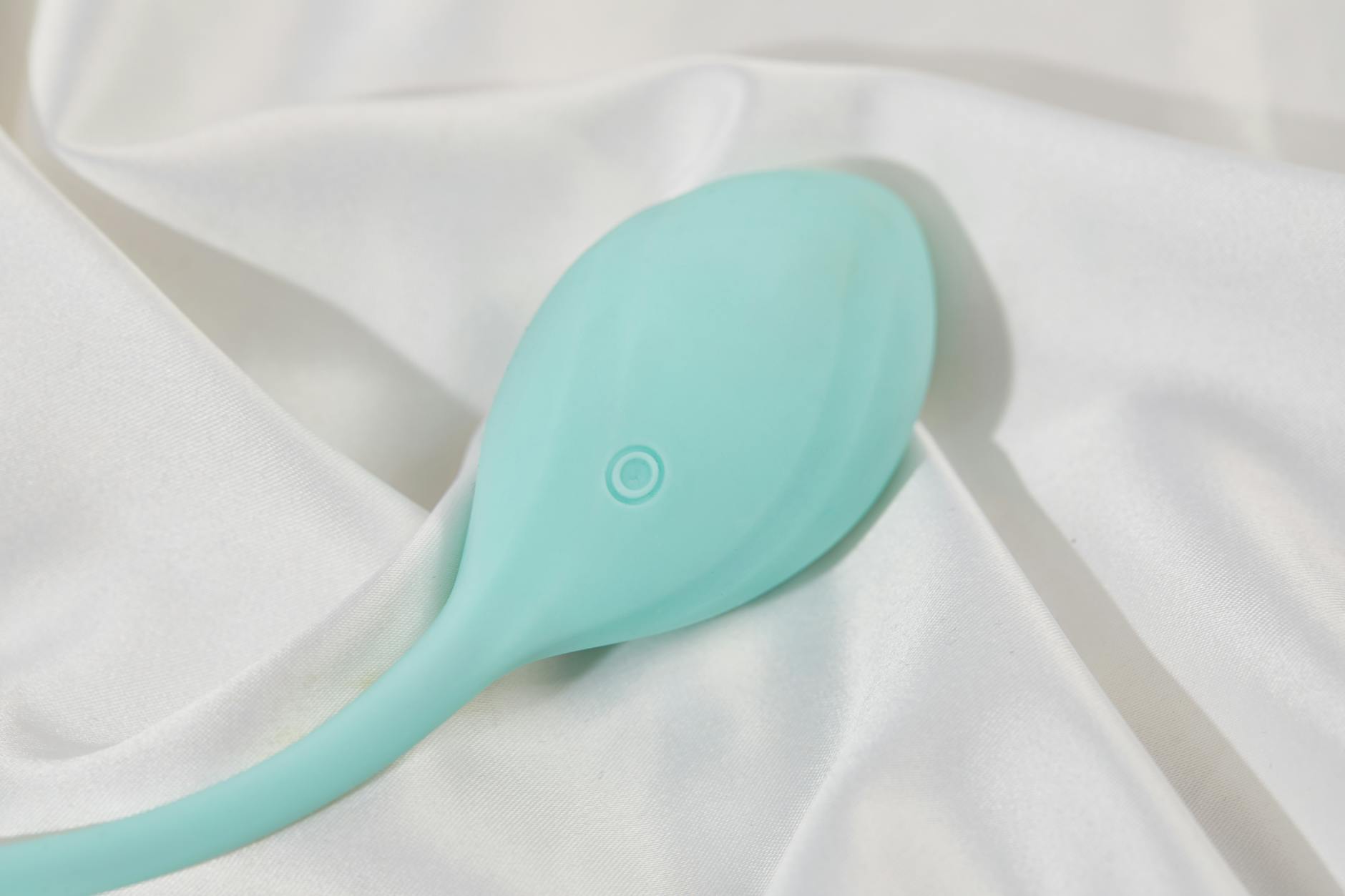
Here's what I know from working with clients through this: pleasure doesn't disappear with vulvodynia. It gets buried under fear. The good news is that a thoughtful approach to touch, including the use of a lemon vibrator or other clitoral vibrator, can actually help you rewire that fear response and reclaim sensation. But only if you do it carefully.
Why vibrators are actually different for vulvodynia
Traditional advice about pleasure assumes your nervous system is cooperating. With vulvodynia, it's actively working against you. The pain comes from sensitized nerve endings, which means direct pressure and friction can feel intolerable even at low intensity.
Here's where lemon vibrators change the game. Unlike traditional vibrators that rely on buzz intensity, a lemon clitoral vibrator uses air-pulse suction technology. This means stimulation without the same kind of direct friction. Instead of vibrating against tissue, it gently draws the clitoral tissue upward, which activates pleasure nerves differently than conventional vibration does.
For vulvodynia specifically, this matters because you're not fighting against the sensitized nerve endings in the exact same way. The suction creates a broader, gentler sensation that can feel manageable when even light vibration would cause a pain flare.
The nervous system retraining piece
Vulvodynia isn't just physical. It's neurological. Your brain has learned that this area equals danger, so it's constantly on guard. Pleasure and danger can't coexist in the nervous system, which is why attempting sex often triggers pain, anxiety, or complete numbness.
Using a lemon vibrator for vulvodynia isn't just about sensation. It's about slowly teaching your nervous system that this area can also signal safety and pleasure. This process is called desensitization, and it works, but only if it's paced correctly.
I often recommend starting with zero sexual expectation. The goal isn't to orgasm. The goal is to spend five minutes with a lemon clitoral vibrator on the lowest setting, in a safe space, just noticing what happens. Some clients feel nothing at first. Others feel mild discomfort. Both responses are fine. You're gathering data.
How to actually start, step by step
If you've been diagnosed with vulvodynia, here's the approach I recommend before you even touch a vibrator:
Step one: Talk to your provider. Vulvodynia treatment often includes pelvic physical therapy, topical treatments, or medications that help your nervous system settle. A lemon vibrator isn't a replacement for treatment. It's something you add once you have professional support in place.
Step two: Create a pain log. For one week, note your pain levels throughout the day, what triggered spikes, and what seemed to help. This gives you a baseline so you know whether the vibrator is making things better or worse.
Step three: Start touching without any tool. Before you introduce a lemon vibrator, practice gentle self-touch on the surrounding area. Your inner thighs, your pubic mound, your labia majora. Not for pleasure, just for sensation. Your goal is to retrain your nervous system to receive touch without assuming threat.
Step four: Introduce the vibrator at the absolute lowest setting. Set aside 10 minutes when you're not stressed, not in pain, and not expecting anything. Use a generous amount of water-based lubricant. This is crucial because lube reduces friction and makes the sensation feel less intense. Hold the lemon vibrator against the outer labia or the clitoral hood, not directly on the clitoris. The indirect approach is gentler on sensitized tissue.
Step five: Notice, don't push. If you feel pain or discomfort, stop. If you feel nothing, that's fine too. If you feel something that isn't quite pain but isn't quite pleasure, sit with that for a moment. Your nervous system is learning.
The role of lubrication and positioning
With vulvodynia, standard sexual advice fails. Your body might not lubricate well because arousal is difficult when you're in pain. You might have painful penetration even without using any toy. This isn't abnormal. It's your nervous system responding to threat.
Always use external lubricant with a lemon vibrator when you have vulvodynia. Water-based lubes are safest because they won't degrade silicone toys and they rewash easily. Apply generously. The goal is to reduce sensation intensity, not to add arousal simulation.
Positioning matters too. Many clients with vulvodynia find that lying on their back, legs slightly apart with a pillow under their hips, feels most comfortable. Some prefer a side-lying position. Experiment and go with whatever position makes your nervous system feel most settled.
Angle the lemon vibrator or whichever clitoral vibrator you're using so that it approaches from the side, not straight on. This distributes pressure more evenly and feels less intense. You're not trying to achieve maximum stimulation. You're trying to achieve manageable sensation.
Managing pain flares during and after
Vulvodynia flares happen. You might start using your lemon clitoral vibrator and feel fine, then later that day have intense pain that makes you regret the whole thing. This doesn't mean the vibrator caused it. It might have, or it might be unrelated to your choices.
What matters is how you respond. Don't punish yourself by swearing off all touch. Instead, pause for a few days, let your nervous system settle, and try again at an even lower intensity or with longer gaps between sessions.
Some of my clients find that using a lemon vibrator once or twice a week works better than daily practice. Others need longer breaks between sessions. There's no universal schedule. You have to listen to your own body's signals.
If you notice that every time you use any clitoral vibrator, including a lemon sucker toy, pain flares happen within two hours, talk to your pelvic physical therapist. You might need to adjust your approach, not abandon it entirely.
What to avoid, and why
Don't use a lemon vibrator or any clitoral vibrator to try to push through pain. Pleasure through pain is a common myth that ruins nervous systems. Your pain is real information. When you feel it, you pause.
Don't use vibration as a replacement for professional treatment. Vulvodynia needs medical and therapeutic support. A lemon sexual toy is one tool in a larger toolkit, not the whole toolkit.
Don't compare your timeline to anyone else's. Some people recover sensation in weeks. Others take months or years. The timeline isn't a reflection of your willingness or your body's worth. It's just how your particular nervous system heals.
The emotional work underneath
Here's what I see most often in my practice: people with vulvodynia have learned to hate their own bodies. They've learned that sex is scary, that their pleasure doesn't matter, that they're broken. A lemon clitoral vibrator can help rewire some of that, but only if you're also doing the emotional work.
That means practicing self-compassion. It means grieving what sex used to feel like. It means slowly, carefully rebuilding trust in your own sensations. It means sometimes sitting with a lemon vibrator on the lowest setting and just crying, because you're angry that your body betrayed you.
All of that is part of the healing. The vibrator is just one piece.
When to reach out for more support
If you've been using a lemon vibrator safely for several months and feel no change, talk to a pelvic physical therapist or a vulvodynia specialist. You might need a different treatment approach. If pain flares become more frequent or severe, same thing. If you find yourself spiraling into shame or depression about your body, find a sex-positive therapist who understands chronic pain.
Hello Nancy isn't a replacement for medical care. It's a place to start reclaiming sensation when you're ready.
FAQ: Your actual questions answered
Can I use a lemon vibrator if I'm not diagnosed with vulvodynia but have chronic pelvic pain?
Maybe. Chronic pelvic pain comes from many sources. Some are helped by the gentle approach I've described. Others need different treatment entirely. Before you start, talk to a pelvic physical therapist or gynecologist who specializes in pain. They can tell you whether a clitoral vibrator, including a lemon sucker toy, is part of your healing plan.
How long does it take to feel pleasure again with a lemon clitoral vibrator?
It depends on the severity of your vulvodynia and how long you've been experiencing it. Some people notice a shift in sensation within a few weeks. Others need months. The important thing is that you're moving toward sensation, not away from pain. That alone is a win.
What if the lemon vibrator makes my pain worse?
Stop using it and talk to your doctor. It's possible that your nervous system needs a different kind of input right now. It's also possible that you need to start even slower or with less direct contact. A provider who understands vulvodynia can help you figure out which.
Is a lemon vibrator better than other clitoral vibrators for vulvodynia?
Lemon vibrators use suction instead of pure vibration, which can feel gentler on sensitized tissue. But every body is different. Some people find that the suction intensity of a lemon clitoral vibrator is still too much. Others feel relief immediately. The only way to know is to try, and to talk to your provider about what you're experiencing.
Can I use a lemon sexual toy with a partner?
Yes, but with communication. Vulvodynia is about your nervous system, and your partner can't fix that for you. What they can do is respect your pace, hold space while you explore, and not take it personally if some days are hard. Some couples find that a lemon vibrator becomes part of their intimate routine. Others find that solo exploration works better first, and partnered touch comes later. There's no wrong choice.
What lubricant works best with lemon adult toys and sensitive tissue?
Water-based lubricant designed for sensitive skin. Brands like Sliquid Organics or Hyalo Gyn are often gentler than standard lubes. Avoid anything with glycerin or propylene glycol if those irritate you. You need lots of it. Reapply every few minutes if you're using a lemon clitoral vibrator for more than a few minutes. Lube is your friend.
Vulvodynia is a condition with a future. You don't have to live in pain forever, and you don't have to give up pleasure. It takes time, patience, and the right tools. A lemon vibrator is one of those tools. Use it gently, listen to your body, and reach out to a professional if you need more support. You deserve pleasure. Your nervous system just needs time to believe it.