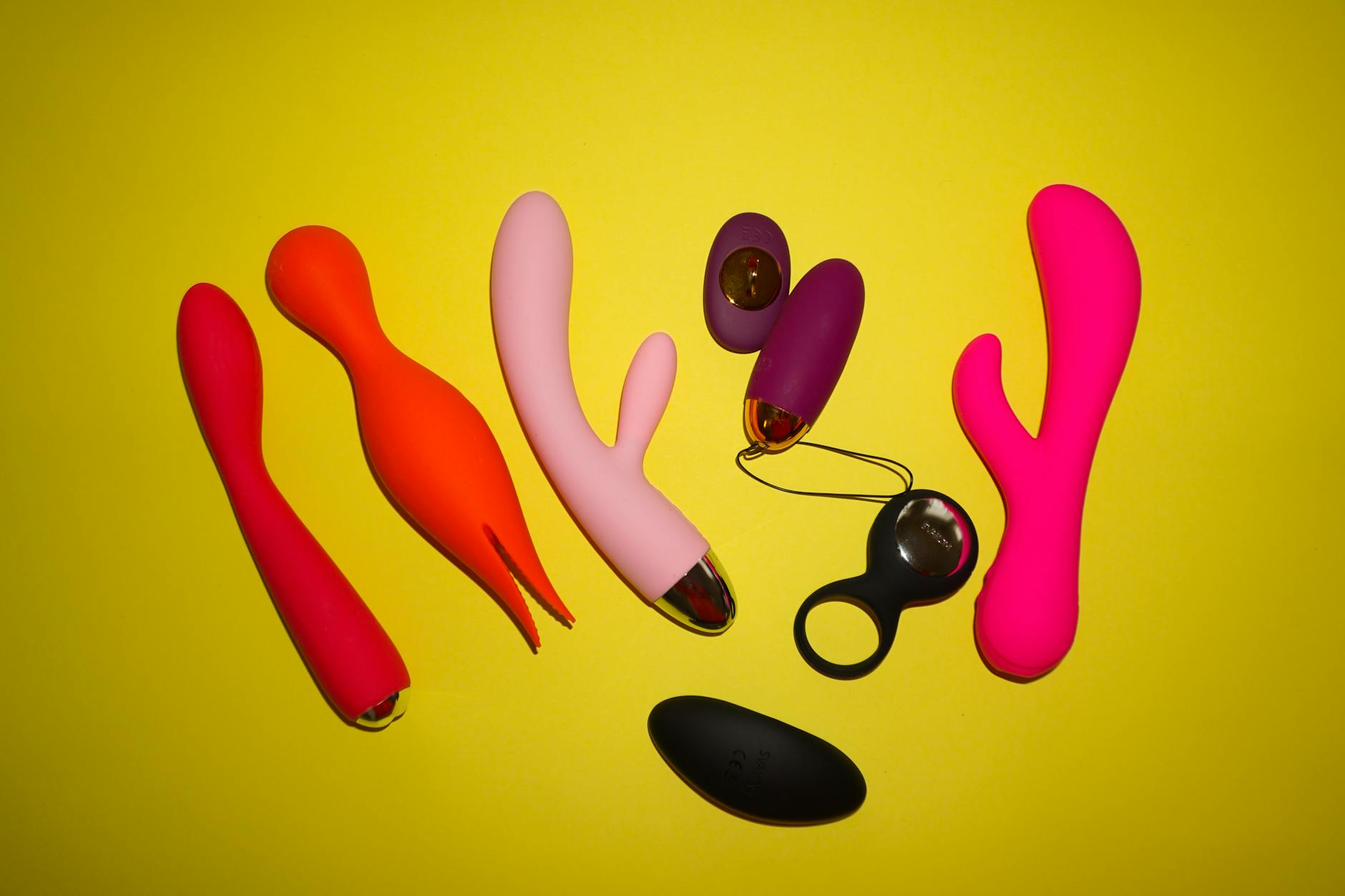
Here's the thing about introducing toys to a partner
Most couples don't do it because they're waiting for the "perfect moment." That moment never comes. What actually works is a conversation that happens fully clothed, in daylight, with no pressure attached. This post gives you that conversation and the framework for making it work.
Introducing a lemon clitoral vibrator to partnered sex is not about fixing anything or admitting something is broken. It's about expansion. About pleasure multiplying instead of staying flat. And honestly, partners who get defensive about this tend to soften immediately once they understand how it actually works.
Why the lemon vibrator specifically
A lemon vibrator's suction technology works differently than traditional vibrators. Instead of friction, it creates gentle waves of pressure that stimulate the external clitoris without requiring you to hold it still or manage angle. For partnered sex, this matters because it means less fumbling, less distraction, and more room for actual connection.
Many partners worry that introducing any vibrator will replace them or change the dynamic. With a lemon clitoral vibrator, the opposite usually happens. Because the Lem works on suction rather than friction, it pairs naturally with penetration, with oral sex, with hands. It doesn't shut your partner out. It invites them in.
The conversation script
Don't lead with "I want to try something." That triggers defensiveness because it sounds like critique. Lead with curiosity instead.
Try this: "I read something interesting about how clitoral stimulation works. Turns out there's a difference between friction and suction, and I'm curious what that would feel like. Would you want to explore it together?"
Notice what's happening here. You're not saying your body is broken. You're not saying partnered sex isn't enough. You're expressing genuine curiosity and inviting them to be part of it.
If they say no, don't push. Ask what the hesitation is. Common fears: "You'll prefer it to me." "I'll feel replaced." "It means I'm not enough." These are real feelings. Listen to them. Then explain that exploration is about deepening what you already have, not replacing it.
Timing matters more than you think
Introduce the concept when you're not trying to have sex. Seriously. Show them the toy when you're both clothed, sober, not in the bedroom. Let them hold it. Let them look at it. Demystify it. The more mundane it becomes, the less loaded it feels.
Then, when you do want to use it together, there's no shock. There's no "suddenly introducing a thing." It's just the next step in a conversation you've already started.
The first time you use it together
Start with your partner present but not inside you yet. Maybe they're kissing your neck. Maybe they're using their hands. You introduce the lemon vibrator on a lower setting. Let them watch how your body responds. This accomplishes three things at once: they get to see what pleasure looks like on you, they're still actively participating, and the toy becomes less of a threat and more of a tool you're all using together.
Then, if it feels right, invite them to participate. "Put your fingers here." "Kiss me while I use this." "Let's try this together." The specificity matters. Partners want direction. They want to know they're doing it right.
What usually surprises people
Most partners report that watching their person have intense pleasure is the hottest part. Not the toy itself. Not the novelty. The pleasure. When you're visibly enjoying something, your partner's arousal tends to follow. This is neurobiology, not sentiment.
Second surprise: many partners want to try the toy solo afterward, just to understand how it works. Let them. No pressure, but don't be shocked if they're curious about their own pleasure in a different way once they see how it functions.
How to frame it if they're nervous
Some partners get caught on this idea that a vibrator is somehow cheating or replacing them. It's not. A lemon clitoral vibrator is closer to a fitness tool than to another partner. You wouldn't feel replaced by your partner going to the gym. This is the same principle applied to pleasure.
Honestly though, nerves often fade once they see how it actually works. Most partners realize pretty quickly that their hands and mouth still matter. The toy just handles one specific job, leaving them free to do the things that require presence and connection.
If the nervousness persists, check in with why. Sometimes it's not really about the toy. Sometimes it's about feeling disconnected or wondering if they're still wanted. That's a different conversation, and it might be worth having with a couples therapist or coach before you introduce toys.
The mechanics that actually work
When you use a lemon vibrator together, here's what tends to work best. Your partner enters you or stimulates you the way they normally would. You introduce the lemon clitoral vibrator on a lower setting. Let them see how your breathing changes. They can keep doing what they're doing, or they can pause and just watch for a moment. Neither is wrong.
Many couples find that the combination of penetration plus clitoral suction creates a totally different kind of orgasm. Deeper. More full-body. The toy isn't replacing anything your partner does. It's creating a condition where your pleasure expands in a new direction.
One practical note: communication matters here. Tell your partner what settings feel good. Tell them if you want them to keep doing something or shift. Tell them if you want to stop. The toy can sometimes make it harder to read your face, so words become more important.
Managing the performance anxiety
Some partners worry that you'll finish too quickly or that they need to "keep up." They don't. You're not racing. If you come fast, great. If you come multiple times, great. If you come differently with a toy than you do with them, that's not a fail. That's just how bodies work.
This is where the conversation matters. Before you use it together, mention that you might have different sensations this way. That pleasure isn't linear. That your body might respond unpredictably. Most partners actually relax when they know what to expect.
After the first time
Debrief. Not like a performance review, but genuinely. "That felt different." "I loved watching you." "I'm curious to try it again." "I felt nervous at first but less so now." Share what you noticed. Ask what they noticed. Let the experience settle before you decide if you want to do it again.
Some couples integrate toys into every encounter. Some use them occasionally. Some introduce one toy and then explore others. There's no timeline. There's no right way. The only metric is whether you're both enjoying it and feel safe.
Red flags to watch for
If your partner becomes resentful or angry, that's information. You might need to slow down. You might need to have a deeper conversation about what pleasure means to each of you. You might need outside help from a couples therapist.
If you feel pressured to use the toy in ways that don't feel good, speak up. If your partner won't listen, that's a bigger relationship issue than just the toy. Same goes if the conversation becomes critical or shaming. You deserve a partner who celebrates your pleasure, not one who makes you feel bad for exploring it.
Making this a conversation, not a request
The healthiest introduction of any toy happens when both people feel genuinely consulted. Not persuaded. Not coerced. Genuinely asked to participate. A lemon clitoral vibrator is a tool for pleasure expansion. It works best when both partners see it that way.
Your pleasure matters. Your partner's comfort matters. And when both people are aligned, introducing new tools can deepen intimacy instead of complicating it.
FAQ
Will a lemon vibrator make my partner feel replaced or inadequate?
Not usually, but feelings matter more than facts here. If your partner worries this, listen without dismissing. Common reassurance: "This is about expanding what we have, not replacing what you do." Then show them how the toy works. Let them see that their presence, their touch, their attention still matter. Most insecurity fades once they understand that a lemon clitoral vibrator is a tool, not a substitute for a person.
What if my partner wants to use the toy on me but I'm nervous?
That's totally fine. You can guide them. "Slower." "This setting." "Just hold it here." Hands-on guidance turns nervousness into teamwork. Also, remember you can always take over. There's no rule that says your partner has to operate it. Sometimes that takes the pressure off everyone.
How do I know if the lemon vibrator is actually enhancing our sex or if I'm just distracted by novelty?
Wait a few weeks. Try it multiple times. Does it consistently feel good? Does the novelty wear off and you still enjoy it? That's a sign it's actually adding something. If you use it once and then never think about it again, maybe it's not your tool. That's also fine. Not every toy works for every couple.
What if I want to use it but my partner refuses?
You have a few options. One: keep having the conversation without pressure. Sometimes people need time. Two: use it solo first, then revisit with your partner. Three: if your partner's refusal comes from a place of fear or judgment, couples therapy can help you both explore what's underneath. Sometimes what sounds like "no to the toy" is actually "I'm scared we're not connected."
Is it better to introduce the toy during foreplay or once we're already aroused?
Most couples find that introducing it during foreplay works better. Everyone's less sensitive, there's more time to adjust, and there's less pressure to "perform." Once you're both aroused and comfortable with it, you can experiment with timing. But the first time, slower and more playful usually wins.
How do I bring up toys without making it seem like something's wrong with our sex life?
Frame it as curiosity, not critique. "I want to explore something new" is different from "I need this to enjoy sex with you." The first is about expansion. The second sounds like you're not satisfied. Stick with the expansion angle. That's usually true anyway.