Here's the thing nobody tells you about stress
Stress doesn't just make you anxious or tired. It hijacks your entire sensory system. Your nervous system cranks into overdrive, your skin becomes hypersensitive or goes completely numb, and the thought of your partner touching you can feel suffocating instead of comforting. For some people, that's penetration. For others, it's skin-to-skin contact at all. Many of my clients describe it like their body has a "do not touch" sign flashing permanently.
What makes this worse is the guilt that follows. You want intimacy. You want to want your partner. But your nervous system is literally rejecting the input, and no amount of guilt changes that. The good news? Your body's rejection response is actually protective, not punitive. And you can rewire it.
Why stress makes touch feel unbearable
When you're under sustained stress, your amygdala (the brain's threat detector) gets hyperactive. Simultaneously, the parasympathetic nervous system responsible for rest and relaxation goes dormant. Your body treats most sensations, including affection, as potential threats. Touch can feel too intense, too unpredictable, or too demanding because your nervous system is already maxed out managing everything else.
Additionally, stress depletes dopamine and serotonin, the neurotransmitters that make pleasure possible. You're not broken. Your brain chemistry is just temporarily recalibrated around survival.
The catch: most people try to push through this. They force themselves to tolerate their partner's touch as a gesture of "trying." That backfires catastrophically. Every time you override that protective signal, you teach your nervous system that intimacy is another threat to manage, not something that feels safe.
The slow-release approach to reclaiming sensation
Instead of forcing your body to accept touch from a partner right away, you need to rebuild your relationship with sensation solo first. This isn't selfish. It's foundational.
Start with your own hands. Warm water, no pressure. Notice what texture, temperature, and pace feel neutral or slightly good. Many people in this state find that gentle pressure actually feels better than light touch, because light touch can feel unpredictable. A warm blanket, a massage tool, warm oil. The goal is zero judgment. You're not trying to orgasm. You're gathering data about what your nervous system can tolerate right now.
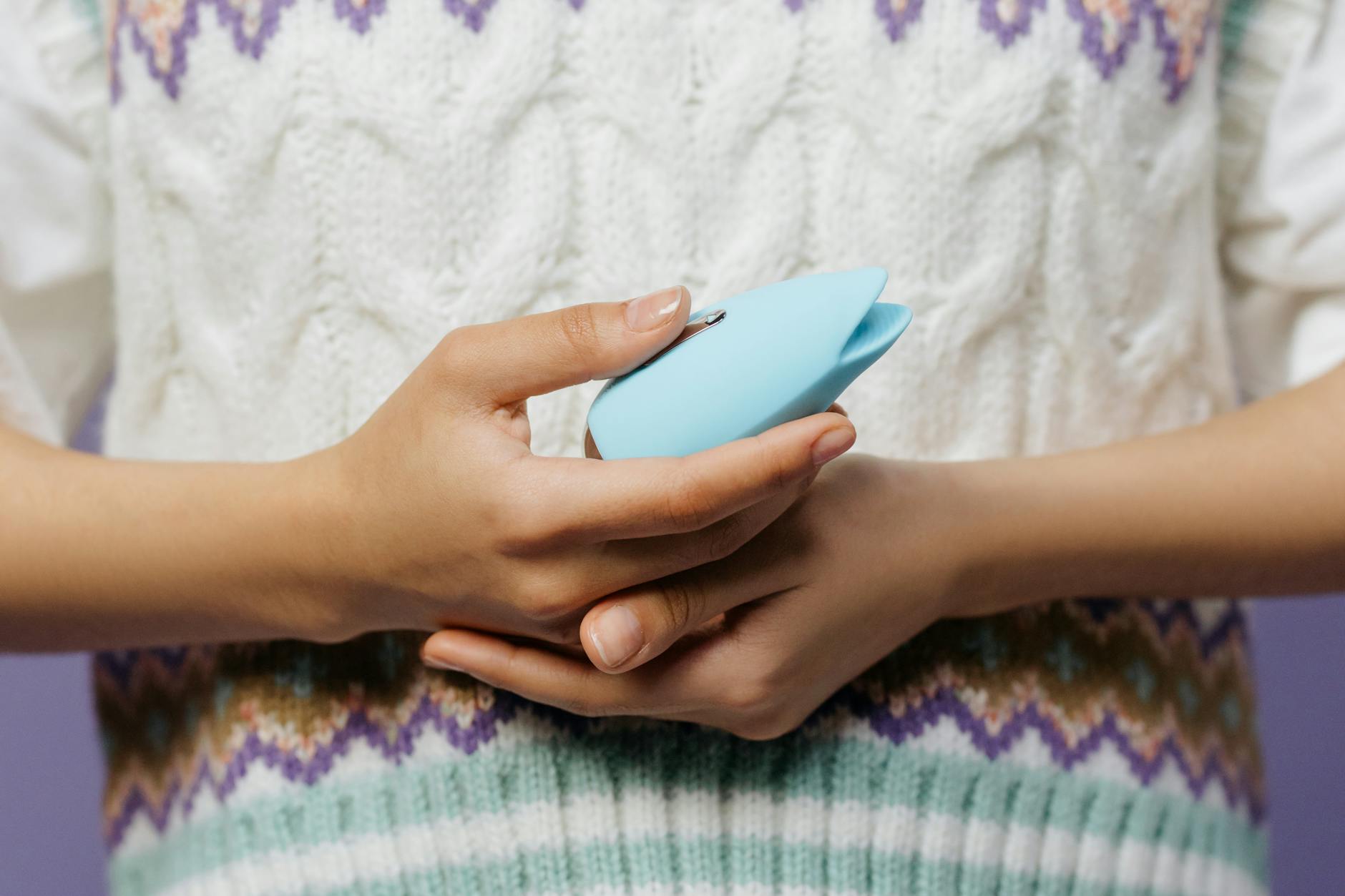
Once you've mapped what feels okay, introduce a clitoral vibrator like the Lem at the lowest setting. Suction-based stimulation often works better for stress-numbed bodies because it doesn't require your nervous system to interpret subtle variations in touch. The consistent, gentle pressure helps your brain reset its threat-detection baseline. Many of my clients find that using a lemon vibrator solo for even five minutes a day gradually raises their ceiling for what feels tolerable.
The key: no goal. Not orgasm, not arousal. Just sensation practice.
Timing matters more than pressure
When you're stress-numbed, the circumstances around intimacy matter as much as the physical act. Spontaneous touch often fails because you don't have mental bandwidth to shift gears. Instead, schedule it. That sounds about as sexy as a dental appointment, but here's the difference: when you know touch is coming at 8 p.m. on Thursday, your nervous system can prepare. You can transition out of work mode, warm up your body, set expectations.
This predictability is crucial. A partner who respects that boundary and follows through builds trust faster than a partner who randomly reaches out and hopes you're in the mood.
During scheduled time, start with non-sexual touch. A hand on your back while sitting on the couch. A forearm massage. Nothing that involves genitals or demands arousal. The goal is to rebuild your nervous system's association between your partner's touch and safety, not excitement. That comes later.
When your partner is overwhelmed by the wait
One of the hardest conversations in relationships is when one person is touching the other for therapy, not pleasure. Your partner might feel rejected, unsexy, or like they're doing something wrong. They're not. But they need to hear that clearly.
Tell them: "My nervous system needs help recalibrating. When I can't take your touch right now, it's not about you. It's not even about us. It's my body in recovery mode. Here's what helps me feel safe." Then follow through. Use lemon clitoral vibrators together. Let them watch you rebuild sensation. Make it collaborative, not transactional.
If your partner can't tolerate the timeline or the process, that's a separate conversation with a couples therapist. But many partners, once they understand it's not rejection, actually find this phase oddly intimate.
Building back toward partner touch
Once solo sensation practice feels normal, you can introduce your partner. But start micro. A single fingertip on your forearm. Your partner holds it there for 30 seconds while you breathe. No movement. Just presence. Over days or weeks, you extend the duration and slightly increase the surface area. Forearm to inner arm. Then to the back of your neck.
During this phase, lemon clitoral vibrators can still be part of the picture. Some couples use them together: your partner operates it while you focus on the sensation and your breath. This can feel less exposing than direct touch and helps your nervous system associate your partner's presence with pleasure, not threat.
Red flags that professional help is urgent
If touch makes you feel panic, violent, or deeply unsafe, that's beyond the scope of solo or couple practice. Same if you're experiencing flashbacks or dissociation during physical contact. Those symptoms suggest trauma activation, and you need a trauma-informed therapist, not a vibrator.
If stress has tanked your libido and nothing is coming back after three to four weeks of gentle practice, talk to your doctor. Sometimes hormones are actually depleted, and that requires medical support alongside the nervous system work.
The real timeline
Rebuild takes weeks, sometimes months. Not because you're broken, but because your nervous system is protective by design. Rushing this process teaches it that pressure is more important than safety. Slow down. Your body is doing exactly what it's supposed to do. You're just helping it learn that pleasure and safety can coexist again.
People also ask
Can a lemon clitoral vibrator actually help rebuild intimacy after stress?
Yes, but not as a magic fix. Lemon vibrators work because they provide consistent, predictable stimulation that doesn't require your nervous system to interpret subtle touch cues. For stress-numbed bodies, that consistency can help reset your sensory baseline. The real work is the regular practice, not the tool. The Lem or other lemon sexual toys just make the practice feel less awkward and more concrete.
What if my partner thinks using a lemon vibrator is a sign I don't want them?
That's a communication issue, not a sex issue. Explain that clitoral vibrators are part of your recovery process, not a replacement for your partner. Invite them into the process. Some couples find that watching a partner rebuild sensation with a lemon sucker actually deepens their connection because it removes pressure and adds curiosity. If your partner refuses to understand, couples therapy is worth the investment.
How long before I can tolerate penetration again?
That depends entirely on your nervous system's timeline, not a calendar. Some people rebuild touch tolerance in three weeks. Others take three months. Penetration adds complexity because it requires both relaxation and trust. Solo practice with clitoral vibrators usually happens first, partner manual touch second, then partnered play. Rush any of those steps and you can reset your progress.
Should I fake arousal to make my partner feel better?
Absolutely not. Faking signals to your nervous system that touch is safe when it doesn't feel that way is exactly how you get stuck in this cycle. Your partner's feelings are valid, but your nervous system's integrity is non-negotiable. If your partner needs reassurance, that's a conversation for a couples therapist, not something your body should compensate for.
Is this stress-numbing permanent?
No. Your nervous system is incredibly plastic. With consistent, gentle practice and reduced external stress, sensation and arousal usually return. But pushing your way through it actually slows recovery. The counterintuitive move is to go slower.
Can antidepressants or anti-anxiety meds help rebuild intimacy during stress recovery?
They can. Some antidepressants improve nervous system regulation and actually make intimacy easier by quieting anxiety. Others can flatten sensation. If you're on medication that's affecting your sex life, talk to your prescriber. It's possible to adjust dosage or timing without stopping treatment. The point is not to white-knuckle your way through this without support.
The bottom line
Physical intimacy after stress isn't about forcing yourself to want touch you don't feel ready for. It's about giving your nervous system permission to recalibrate at its own pace. Solo practice with tools like the Lem, predictable partner touch, and honest communication do the real work. Your body isn't punishing you. It's asking you to slow down and rebuild trust. Listen to it.
If you're struggling with rebuilding intimacy and want to talk through it, reach out. That's exactly what I'm here for.