The part about pleasure after 40 that nobody tells you straight
Here's the thing: estrogen drops, tissue thins, and everything you read suggests pleasure gets duller. That's incomplete, and it's missing the plot twist.
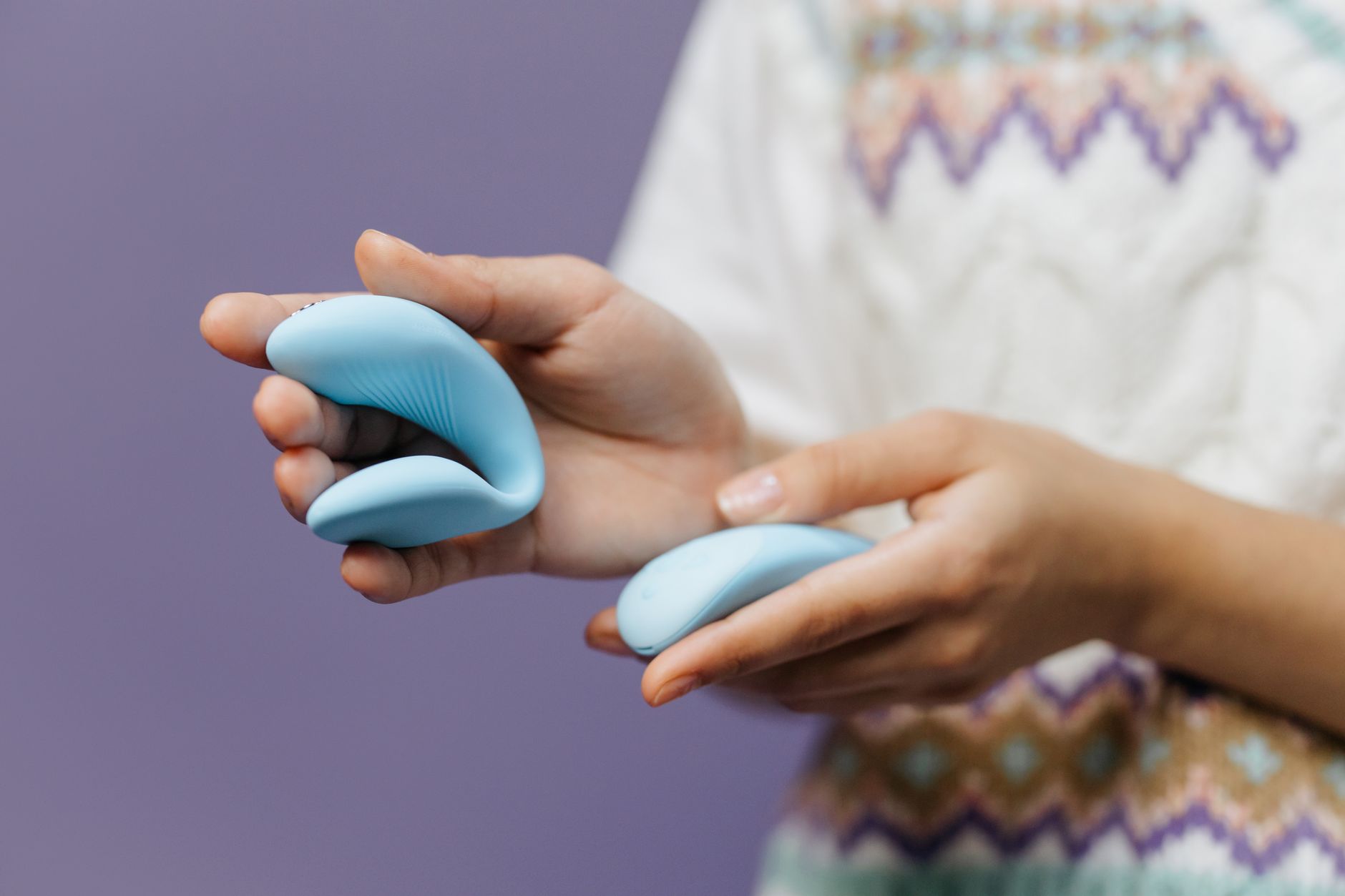
Yes, estrogen loss changes the tissue. No, it doesn't kill sensation. In fact, many people find that lemon clitoral vibrators—especially suction-based ones like the Lem—deliver sharper, more focused pleasure after 40 than they did at 25. Not because your body is miraculous (though it is). Because thinner, more sensitive tissue responds differently to stimulation, and the right tool makes all the difference.
What estrogen loss actually does to sensation
Estrogen keeps vaginal and clitoral tissue thick and plush. When it drops (during perimenopause, early menopause, or sometimes just the natural aging process), that tissue becomes thinner and more delicate. This is genitourinary changes, and it's physiological fact.
But here's what changes and what doesn't.
Nerve endings in your clitoris: still there. Same density. Same neural pathways. The capacity for arousal: unchanged. Orgasm potential: intact, often enhanced.
What changes is the tissue that wraps around those nerves. It's not a loss of sensation. It's a shift. Tissue that's thinner can actually be more sensitive to the right kind of stimulation, because there's less cushioning between the nerve and the surface. A direct vibration might feel too intense now. But suction? Suction often feels like a revelation.
Why suction beats vibration after tissue thins
A traditional vibrator uses friction against tissue. If your clitoral tissue is thinner and more sensitive, friction alone can feel raw or overstimulating. It's like running your hand over corduroy versus silk. Same hand, different fabric, totally different experience.
Suction-based clitoral vibrators like lemon vibrators work differently. Instead of pushing directly against tissue, they create a gentle seal and release pattern that stimulates nerves through indirect pressure. The tissue stays safer. The sensation is often more intense.
This is why I recommend lemon suction toys to almost every client over 40 who's experienced a drop in estrogen. The Lem, specifically, works through a mechanism that adapts beautifully to thinner tissue. It concentrates stimulation without the mechanical aggression of traditional vibration.
The arousal timeline shifts, too
Estrogen also affects how quickly arousal builds. At 25, maybe your body responds to stimulation in 5 minutes. At 45, it might take 15 or 20. This isn't slower pleasure. It's different pleasure.
When arousal takes longer, you spend more time in buildup. More time means more blood flow to the clitoris, more engorgement, more readiness. By the time you use a lemon clitoral vibrator, your tissue is primed. The sensation can feel sharper, more defined, more there than it did when arousal was faster and less focused.
I have clients tell me regularly that their first orgasm after 40, using the right tool with the right warm-up time, rivals their best orgasms from their 20s. It's not nostalgia. It's biomechanics.
Lubrication changes and what actually helps
Estrogen supports natural lubrication. When estrogen drops, lubrication drops with it. Every article you read will tell you this means you need lube, and yes, you do. But not because you're broken.
Water-based lubrication isn't a workaround. It's part of the experience now. A good quality lube increases sensation because it allows for smoother movement without friction. It also prolongs arousal because there's no discomfort interrupting your focus.
The Lem and other suction vibrators work exceptionally well with water-based lube because the seal adjusts to the moisture. No excessive drying. No friction complications. Just sustained stimulation that feels clean and intense.
I typically suggest applying lube before using a lemon clitoral vibrator, even if you're not experiencing dryness. It's not a concession to aging. It's optimizing for the body you have now.
Pelvic floor changes and what they mean for orgasm
Estrogen supports pelvic floor muscle tone. When it drops, the pelvic floor gets less support. This changes how orgasm feels, sometimes shallowly, sometimes more concentrated. Some clients report that orgasms feel less full-body and more localized. Others find orgasms are actually easier to achieve because the muscles are less tight.
Here's what matters: that change is workable. Pelvic floor exercises (Kegels and their opposite, pelvic floor relaxation) become more important after estrogen drops, but they also become more impactful. A stronger pelvic floor often means more intense orgasms once you engage it.
The lem vibrator works with this shift. Because suction stimulates the clitoris without requiring the same muscular engagement as traditional vibration, you can access pleasure even if pelvic floor tension is an issue. Some clients actually use suction vibrators as part of pelvic floor retraining because the gentler mechanism doesn't trigger protective tension.
Temperature sensitivity and tactile preferences
After 40, tactile preferences often shift. You might notice that textures that felt amazing at 25 now feel slightly irritating. This isn't weakness. It's changing nerve sensitivity paired with thinner tissue.
Most lemon sexual toys are made from body-safe silicone. Silicone has a particular texture and temperature conductivity that feels luxurious to thinner tissue. It doesn't create friction the way some materials do. It warms to body temperature quickly. If you've used glass or stainless steel toys before and found them uncomfortable after a certain age, silicone-based toys like the Lem might be the shift your body needed.
I also find that after 40, many people benefit from spending more time on external stimulation. Internal sensation can become less intense with estrogen loss, but external clitoral pleasure often sharpens. Suction vibrators are exclusively external, which means you're optimizing for what feels best now.
Emotional and relational shifts that matter
Here's something medical articles skip: pleasure after 40 is often better because the psychological barriers drop. You know your body. You're less interested in performing for a partner. You've stopped waiting for permission to want what you want.
If you're using a lemon clitoral vibrator solo, you're building a direct line between your nervous system and pleasure. No translation. No second-guessing. Just sensation and response. This confidence often makes pleasure sharper because your brain isn't divided.
If you're using it with a partner, you're modeling what works for your body. That's powerful. Partners see what brings you pleasure, and that shifts the whole dynamic of intimacy. Suction vibrators are less intimidating to partners than you'd think, because they look different and feel different than traditional vibrators. The Lem, specifically, has become a couple's tool because it doesn't require the same performance dynamic.
When to see someone (and when you don't need to)
If lubrication is minimal and water-based lube isn't helping, or if you experience pain during any sexual activity, that's worth a conversation with a gynaecologist trained in midlife sexual health. Topical estrogen creams can help, and they work quickly.
If desire has completely flatlined, that's separate from tissue changes, and it's also addressable. But please don't assume estrogen loss means lower desire is permanent. It's often connected to the emotional and relational stuff I mentioned. Therapy, honest conversations, sometimes a brief course of testosterone therapy if you're a candidate. All of this works.
If sensation is changing but arousal still builds and orgasm is still possible, you probably just need the right tool. A lemon vibrator adapted for thinner tissue is often exactly that tool.
What actually changes and what absolutely doesn't
Your clitoris has about 8,000 nerve endings. Estrogen loss doesn't touch that. Your brain's capacity for pleasure is unchanged. Your ability to orgasm is intact. Your right to prioritize your own pleasure doesn't expire at 40.
What changes is the tissue it lives in and how it responds to friction versus suction. That's information, not a diagnosis. Once you have that information, you can choose tools and approaches that work for the body you have now, not the body you had at 25. Often, those tools feel better than anything you tried before.
FAQ
Does estrogen loss make orgasm impossible after 40?
No. Orgasm potential stays intact. The pathway to orgasm might change. You might need longer arousal time or different stimulation, but the nerve capacity is the same. Many people report their most satisfying orgasms happen after 40, once they find what works for their changed tissue.
Why do suction vibrators feel stronger than traditional vibrators after 40?
Thinner, more sensitive clitoral tissue responds better to indirect pressure (suction) than direct friction. A suction vibrator like a lemon clitoral vibrator stimulates without the aggressive friction that can feel too intense on delicate tissue. It's not that suction is inherently stronger. It's that it works with your tissue instead of against it.
Is water-based lubrication necessary if I'm not experiencing dryness?
Not technically necessary, but often beneficial. Lube reduces friction, which means more comfortable and sustained stimulation. It also allows suction vibrators to function more smoothly. Many people find that adding lube enhances sensation, not as a concession but as a choice.
Can pelvic floor exercises improve sensation after estrogen loss?
Yes. A stronger pelvic floor often means more intense orgasms. Kegel exercises strengthen the muscles. Relaxation work (learning to let the pelvic floor loosen fully) is equally important. Some people find that using a suction vibrator actually helps pelvic floor retraining because the gentler mechanism doesn't trigger defensive tension.
At what age does estrogen loss start affecting sensation during sex?
It varies. Some people notice changes in their early 40s. Others don't notice until their 50s or later. Hormonal birth control can mask or accelerate these changes. If you notice arousal is taking longer or tissue feels different, estrogen shifts might be happening. That's not a problem. It's just information.
Should I replace my vibrator if sensation has changed?
Not necessarily. But if what you're using doesn't feel good anymore, or if you feel like you're chasing an orgasm that used to come easily, trying a different mechanism (like suction instead of vibration) might be worth it. Hello Noncy's approach is about finding tools that match your body now, not fighting the changes.
Your pleasure gets sharper, not smaller
Estrogen loss changes tissue. It doesn't diminish your right to pleasure or your capacity for it. Once you understand what's shifted, you can choose tools and approaches that work with your body instead of fighting it.
For many people, that tool is a lemon clitoral vibrator. Suction-based toys adapt beautifully to thinner tissue. They're often more intense than traditional vibrators, not less. Your best orgasms might not be behind you. They might be waiting for you to find the right stimulation and give yourself permission to prioritize sensation.
If you want to talk through what might work for your body, or if you have questions about pleasure after hormonal changes, reach out. That's what we're here for.
References & Sources
Berman, L., et al. (2003). "The Physiology of the Female Sexual Response." Journal of Sexual Medicine. Research on clitoral nerve density and orgasmic capacity across the lifespan.
Dodson, B. (2017). "Orgasms for Two: The Joy of Partnered Sex." Crown Publishing. Clinical observations on arousal timeline shifts and suction-based stimulation.
Goldstein, I., et al. (2016). "A Practical Guide to the Management of Sexual Dysfunction in Women." Journal of Sexual Medicine. Evidence on tissue changes, lubrication, and effective interventions in midlife.
Moore, E., et al. (2016). "A Systematic Review on the Effectiveness of Hormone Therapy in Relieving Vasomotor Menopausal Symptoms." Menopause Journal. Hormonal changes and systemic effects on sexual response.