Let's talk about what medical trauma actually does
Medical trauma isn't always dramatic. You don't have to have had a complicated birth or a botched procedure to feel it. Sometimes it's a colonoscopy, a biopsy, an emergency D&C, or a diagnosis that landed hard. What they all have in common is this: your body became a site where things happened to you rather than with you. That distinction rewires how you relate to sensation, safety, and pleasure.
I work with people rebuilding intimacy after medical intervention all the time. The pattern is nearly universal. Touch becomes fraught. Vulnerability reads as dangerous. Pleasure gets filed away with a note saying "not yet."
But here's the thing that keeps me coming back to this work: healing is completely possible. It just requires patience, self-compassion, and sometimes the right tool to help you remember what safety feels like.
Why your body is holding onto fear
When something invasive happens in a medical context, your nervous system categorizes it efficiently. That area becomes flagged. Touch there becomes a potential threat until your brain gets new information proving otherwise. This isn't weakness or drama. It's a trauma response doing exactly what it's supposed to do.
The challenge is that intentional, pleasurable touch in the same region feels impossible for a while. You're essentially asking your nervous system to flip from "defend" to "receive" in the same space where it was recently told "someone is going to do something to you, and you have to hold still for it."
Most people try to power through this. They think if they just have sex or use a toy soon enough, they'll feel normal again. But rushing it often backfires. The body says no. Anxiety spikes. Shame creeps in. And now you have a secondary trauma on top of the original one.
The lemon sucker approach to gentle reintroduction
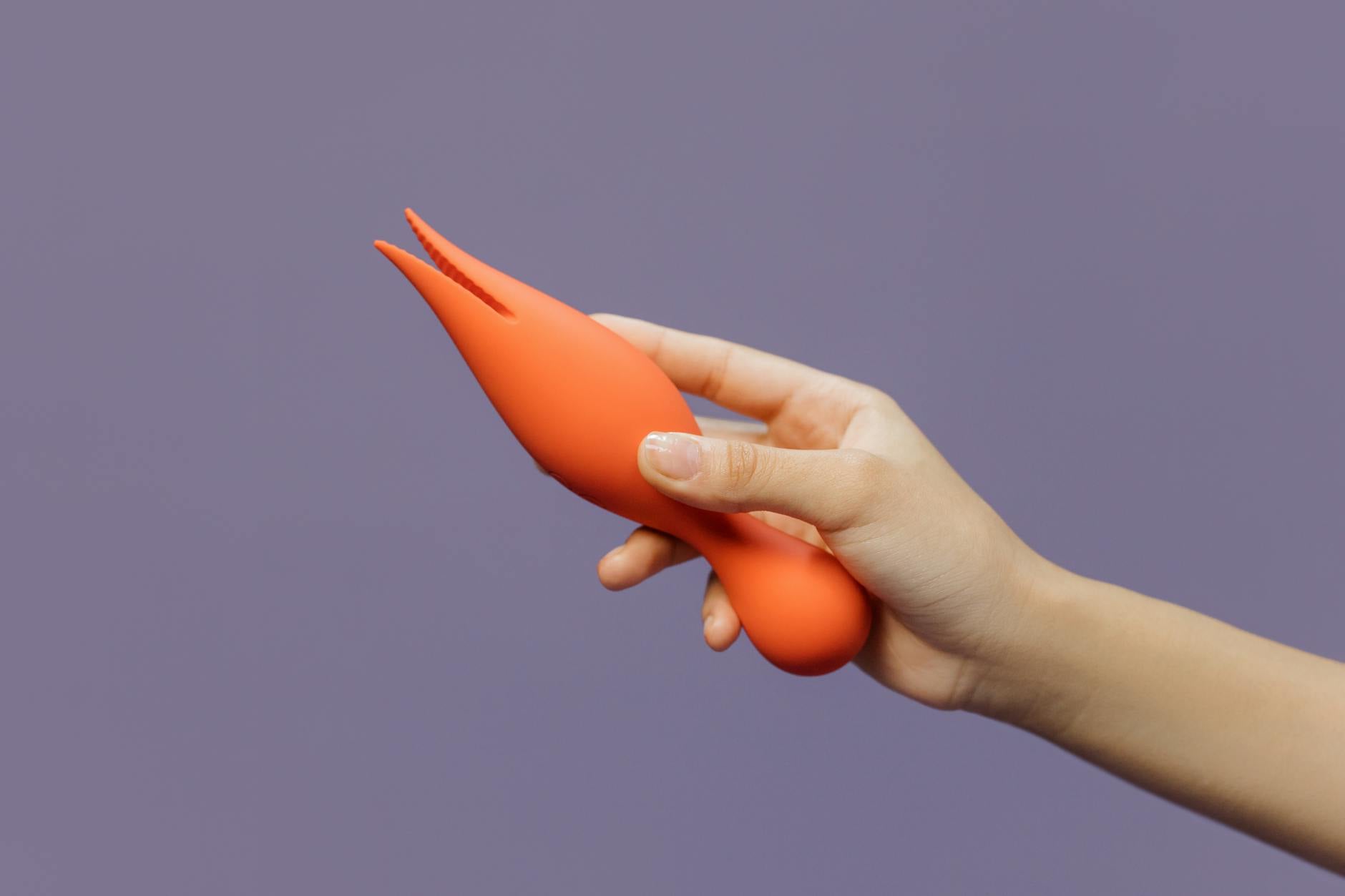
This is where lemon vibrators, especially clitoral suction designs like the Lem, become genuinely valuable. They work differently than traditional vibrators, and that difference matters for trauma recovery.
Air-suction stimulation feels softer and less clinical than vibration. There's something about the gentleness that reads as nurturing rather than invasive. The sensation is diffused and rhythmic. You can control it completely. You can pause it. You can stop it instantly without negotiating or asking anyone for permission.
That agency is huge. After medical trauma, your body needs to relearn that it gets to decide. A lemon clitoral vibrator puts that decision entirely in your hands.
Starting the reconnection process
When I'm working with someone rebuilding intimacy after a medical event, here's the framework I use.
Week 1-2: Exploration without expectation. Get the lemon sexual toy (or any clitoral vibrator you choose) and simply be with it. No pressure to use it yet. Hold it. Look at it. Let curiosity lead. Your nervous system is learning that this object is safe and under your control.
Week 3-4: Solo sensation in a safe space. Set time aside when you're alone, relaxed, and have zero pressure to "perform" or achieve anything. Use the lowest setting of your lemon vibrator on areas that feel safe first. Maybe your inner arm. Your neck. Your chest. Let your body remember what gentle, intentional stimulation feels like outside the context of medical trauma.
Week 5-6: Gradual approach to sensitive areas. When you feel ready (and only when you feel ready), introduce the toy to areas that were affected by your medical experience. Stay at the lowest intensity. Shorter sessions. If anxiety rises, pause. That's not failure. That's data. Your body is communicating what it needs.
Week 7+: Building pleasure incrementally. As your nervous system gets comfortable, you might extend sessions or gradually increase intensity. But the goal here isn't climax. It's rebuilding the belief that this part of your body can feel good again.
Why intensity matters in trauma recovery
One of the biggest mistakes people make is starting at too high a setting. It feels counterintuitive that a lower intensity would be better, but here's why it works: lower stimulation is less likely to trigger your threat response. It's subtle enough that your nervous system can relax into it.
Many lemon clitoral vibrators offer multiple settings. If you're rebuilding after trauma, spend most of your time on settings 1 and 2. Let your body have wins. The progression to higher intensities can happen later, if ever. There's no timeline. Your nervous system gets to set the pace.
Working with a partner (if that's part of your situation)
If you're rebuilding intimacy in a relationship, this requires conversation that might feel uncomfortable at first. But it's essential.
Your partner needs to understand that this isn't about them. Medical trauma makes your nervous system hypervigilant with your own body. That has nothing to do with attraction or trust in the relationship. It's a physiological response to a past event.
Honest conversations might sound like: "I'm going to be rebuilding sensation on my own for a while. I'm not avoiding you. I'm healing. Here's what that looks like." Or: "I want to show you what feels okay to me right now, and I need you to respect the boundaries that come with that."
Many people find that solo exploration with a lemon clitoral vibrator actually strengthens their relationship later. You're learning what your body needs. You're practicing self-care. You're taking agency back. That translates into deeper intimacy when both partners are ready.
The role of patience in rebuilding
Here's what I tell people: healing from medical trauma isn't linear. Some days your body will feel open and receptive. Other days, sensations that felt fine last week will trigger anxiety again. This isn't regression. It's the normal rhythm of nervous system healing.
The lemon vibrators we carry at Hello Nancy are built for this kind of patient, self-directed exploration. They're not designed for performance. They're designed for discovery. That matters when you're rebuilding.
When to bring in professional support
If anxiety spikes consistently even with gentle, solo exploration, a trauma-informed therapist can help. Somatic experiencing therapists specialize in helping bodies release trauma responses. Sex therapists can help navigate the specific intersection of medical trauma and intimate pleasure.
There's no shame in needing that support. It's actually wise. You're not broken if you need help healing. You're responsible for your own wellbeing. That's different.
Reframing what intimacy means now
One of the shifts I see people make during recovery is a redefinition of intimacy itself. Before, it might have been tied to performance or climax. After trauma, many people discover that intimacy is actually about safety, presence, and choice.
That's not a downgrade. That's an upgrade. You're learning to relate to your own body with gentleness. That translates into how you relate to partners, too. The pace of healing becomes the pace of deeper connection.
FAQ
How long does it usually take to rebuild sensation after medical trauma?
It varies widely. Some people feel reconnected within a few weeks of gentle exploration. Others take several months. Healing isn't about speed. It's about your nervous system gradually getting new input that says "this area is safe again." That happens at its own pace. Pressuring yourself to heal faster often slows the process down.
Will a lemon clitoral vibrator feel different if I've had trauma?
Yes, and that's okay. The sensation might feel more intense, more numbing, or more anxiety-inducing initially. That's your nervous system still in protection mode. As your body acclimates to the idea that pleasure is possible again, the same vibrator will feel increasingly pleasurable. Patience here is your best tool.
Can I use lemon sexual toys with a partner while healing from trauma?
Absolutely, but only if you want to. Solo exploration often comes first because it removes the performance component. Once you're feeling more confident with sensation on your own, some people enjoy incorporating that into partnered time. The key is that you're leading the pace, not following your partner's timeline.
What if I never want to use the toy the way I thought I would?
That's completely valid. Medical trauma sometimes shifts how we relate to pleasure permanently. That's not failure. That's self-knowledge. The lemon vibrators we talk about at Hello Nancy work in lots of ways. Maybe it becomes a tool for general sensation rather than climax-focused play. Maybe it becomes something you use on a different part of your body. Maybe you eventually decide it's not for you at all. All of those outcomes are fine.
Should I tell my healthcare provider I'm using a vibrator during recovery?
If your medical team gave you specific instructions about avoiding stimulation during a healing window, honor those. If you're past that window, you don't need permission. But if you have ongoing pain or discomfort with sensation, your gynecologist or medical provider should know. They can rule out complications and give you specific guidance.
How do I know if what I'm experiencing is medical trauma or just normal discomfort?
Medical trauma typically involves persistent anxiety around the affected area, avoidance of touch there, or intrusive thoughts when someone approaches that part of your body. Normal post-procedure discomfort is localized, physical, and tends to improve on a predictable timeline. If you're unsure, a trauma-informed therapist can help you sort it out.
The path forward is yours
Rebuilding intimacy after medical trauma takes time, but it's entirely possible. Your body isn't broken. It's been through something difficult, and it's protecting you. That protection was necessary. Now it's time to gradually retrain your nervous system to understand that safety and pleasure can coexist in this space again.
A lemon clitoral vibrator can be a valuable tool in that process. Not because it's magic. But because it puts you completely in control. You decide the pace. You decide the intensity. You decide when it's time to pause. That agency matters more than you might think when you're healing.
Start gently. Be patient with yourself. Your nervous system will catch up. If you need support navigating this, we're here. Reach out to Hello Nancy with questions or just to talk through what you're experiencing. You don't have to do this alone.