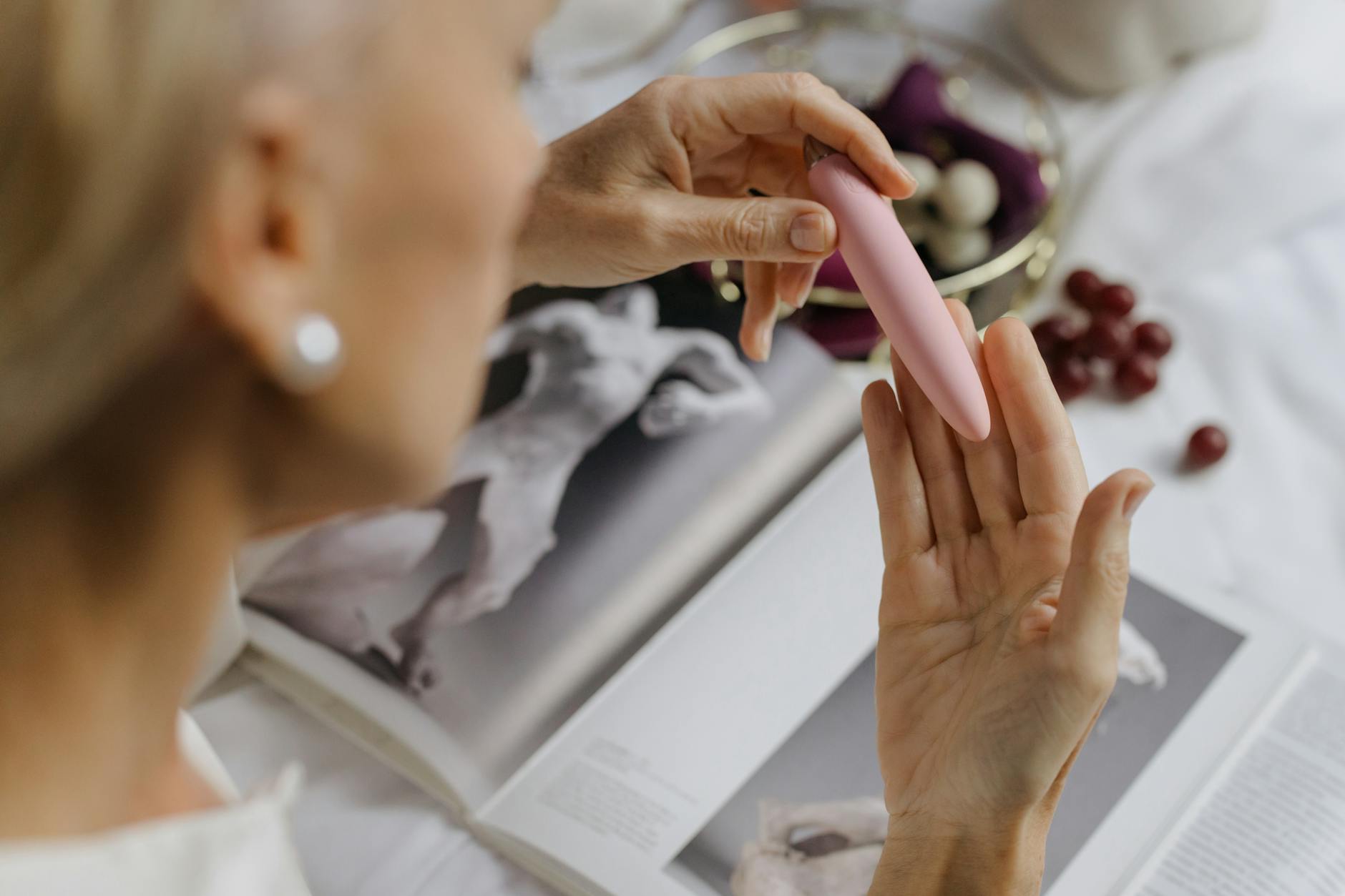
Let's talk about the elephant in the bedroom
After a real fight, sex feels complicated. Not just emotionally, but physically. Your body remembers the anger. Touch doesn't feel safe yet, even though both of you want to reconnect. You're not broken. This is how nervous systems work after conflict.
Here's the thing: rebuilding intimacy doesn't require jumping straight back into partnered sex. It requires a bridge. And that bridge, surprisingly often, is solo pleasure.
Why solo pleasure comes first (and that's okay)
When you've been in conflict, your body is in a mild defensive state. Adrenaline is still lurking. Your threshold for touch is lower. You need faster access to genuine arousal, not the kind you fake to get it over with.
A lemon clitoral vibrator works here because it's fast, reliable, and completely within your control. You're not managing someone else's pace or ego. You're not negotiating what you need. You're just asking your own body what it wants.
When you can access pleasure alone first, something shifts. The nervous system relaxes. Trust in your own body rebuilds before trust in your partner does. And paradoxically, that makes partnered intimacy feel safer, not less.
I've worked with couples where one partner would spend 10 minutes with a lemon vibrator, reach an orgasm, and then feel genuinely ready to be touched by their partner. The fight didn't disappear, but the protective walls came down. The body said yes before the mind had to.
The neuroscience of why this actually works
When you orgasm, your brain releases oxytocin, dopamine, and serotonin. These aren't luxury chemicals. They're literally the neurochemicals of bonding and safety. After conflict, your threat-detection system is overactive. Pleasure rewires that.
But here's the catch: that rewiring only happens when the pleasure is genuine. Faking it, especially right after a fight, sends the opposite message to your nervous system. You're essentially telling your brain that threat is still present, which locks you into defensive mode.
Clitoral suction vibrators like those from Hello Noncy are particularly useful here because they work faster and with more certainty than other methods. The average woman reaches orgasm in 5-8 minutes with suction stimulation, compared to 15-20 with traditional vibration. That speed matters psychologically when you're rebuilding trust. Your body doesn't have to stay vulnerable for an extended period.
How to introduce this to your partner without it feeling awkward
First: you don't have to tell them it's about the fight. Pleasure is pleasure. If you want to use a lemon clitoral vibrator, that's self-care, period.
But if you want to involve them emotionally (which often helps couples reconnect), you could say something like: "I want to feel good in my body again. I'm going to take 10 minutes for myself. You're welcome to be here, but I'm not performing." That's it. Clear, boundaried, inviting.
Some partners will leave the room. Some will stay and touch you gently. Some will use the time to shower or have water ready afterward. None of these responses are wrong. What matters is that you're reclaiming pleasure on your own terms, in front of them.
The presence itself, without pressure to reciprocate or perform, often rebuilds more intimacy than rushed partnered sex ever could.
The progression from solo back to partnered
Once you've had genuine pleasure alone, partnered touch becomes a different conversation. You're not approaching it as obligatory reconciliation. You're approaching it as two bodies that want something.
The next phase is often hands-only touch. One person uses their hands while the other lies still. No penetration, no pressure to orgasm. Just skin and intention. This is where many couples who've been in conflict actually reconnect most deeply.
After that, partnered use of a lemon clitoral vibrator can feel natural. You're holding it, they're touching you elsewhere. Or they're holding it while you guide pressure. The toy becomes a tool you're using together, not a replacement for them.
I recommend waiting at least 48 hours after a significant fight before moving to this step. Your nervous system needs actual time to reset. Jumping straight to partnered stimulation often backfires because resentment is still present.
What to actually do in those 48 hours
Day one: the fight happened. Both of you need space. Use that time to feel what you're feeling, not to override it with sex.
Day two: start small. Hold hands. Kiss if it feels genuine. Notice whether touch feels safe in your body. If it doesn't, don't force it. Your body is telling you something real.
Solo pleasure can happen anytime during this window. Evening of day one, morning of day two, doesn't matter. But it should feel like a gift to yourself, not a duty to your relationship.
Day three and beyond: you're probably ready for conversation and physical reconnection. Not guaranteed, but possible. This is when partnered touch usually feels good again, assuming the fight itself got addressed.
When this approach doesn't work
If the fight involved infidelity, betrayal of trust, or contempt, pleasure alone won't fix it. You need to address the actual problem first. The lemon vibrator can't heal a broken relationship. It can help a solid relationship reconnect faster after conflict, but it's not a band-aid for deeper ruptures.
If you find that pleasure feels numb or absent even when you're alone, that's worth mentioning to your partner or a therapist. Sometimes conflict triggers old stuff. Sometimes numbness during pleasure is its own signal that something needs professional attention.
But for typical fights, the kind that happen in long relationships, this progression works: solo pleasure rebuilds your own nervous system, presence rebuilds trust, and then partnered intimacy feels like something you both want, not something you're performing.
The bigger picture
Rebonding after conflict is actually one of the most important times in a relationship. Not the fight itself, but how you come back together. Done well, it builds more intimacy than if the fight had never happened.
Using a lemon clitoral vibrator in this process isn't avoiding the real work. It's creating the nervous system conditions where the real work can happen. Your body has to feel safe before your mind can actually rebuild trust.
If you're in a partnership where sex after conflict has always felt obligatory or rushed, trying this might feel radical. But I'd argue it's the opposite. It's the most direct path back to genuine connection.
FAQ: Rebuilding Intimacy After Conflict
How long after a fight should we try having sex again?
It depends on the fight. For a typical argument, 48-72 hours allows your nervous system to reset. For something more serious, a week or two might be more realistic. The marker is when you can think about your partner without tension in your chest. That's your signal that your body is ready.
Is using a vibrator after a fight avoiding real intimacy?
Not at all. In fact, solo pleasure after conflict often deepens intimacy because it removes the pressure of performance. You're not negotiating what your body needs from your partner. You're discovering it alone first. That clarity makes partnered sex more genuine when it happens.
What if my partner feels threatened by me using a vibrator during reconciliation?
That's worth a conversation outside the bedroom. A lemon clitoral vibrator isn't about preference. It's a tool that helps your nervous system access pleasure quickly, especially when conflict has made you defensive. Frame it as self-care and rebuilding your own sense of safety. If your partner remains threatened, that's a different conversation worth having with a couples therapist.
Can we use a vibrator together during reconciliation?
Yes, but I'd recommend solo use first. Starting with partnered use after conflict can reintroduce performance pressure. Once you've reconnected physically through gentler touch, adding a lemon vibrator as a shared experience often feels more intimate.
What if pleasure feels numb after the fight?
That's real and worth noting. Conflict can trigger a protective numbness in your nervous system. If you find that even solo pleasure feels flat, give yourself more time or consider talking to a therapist. Sometimes numbness signals that the underlying issue hasn't actually been addressed.
How do I know if we're actually reconnected or just going through the motions?
The difference is presence. Real reconnection feels like both of you are actually there, not just performing apology sex. After a lemon vibrator session, you should feel relaxed, not obligated. If you still feel tension or resentment, the conflict probably needs more direct conversation before physical intimacy will feel right.
The real work
Physical reconnection after conflict is important. But it's not the whole story. The real work is the conversation about what went wrong and how you both want to do differently. The vibrator, the gentle touch, the slow rebuild. Those are all part of it, but they're supporting players.
What they do is lower the nervous system activation enough that real conversation becomes possible. When you're in defensive mode, you can't hear each other. When you're relaxed and connected to your own pleasure, suddenly the words come easier.
That's where the actual healing happens.
Ready to reconnect? Let's talk about what works for your relationship. Reach out at /contact if you want guidance on navigating this rebuild.