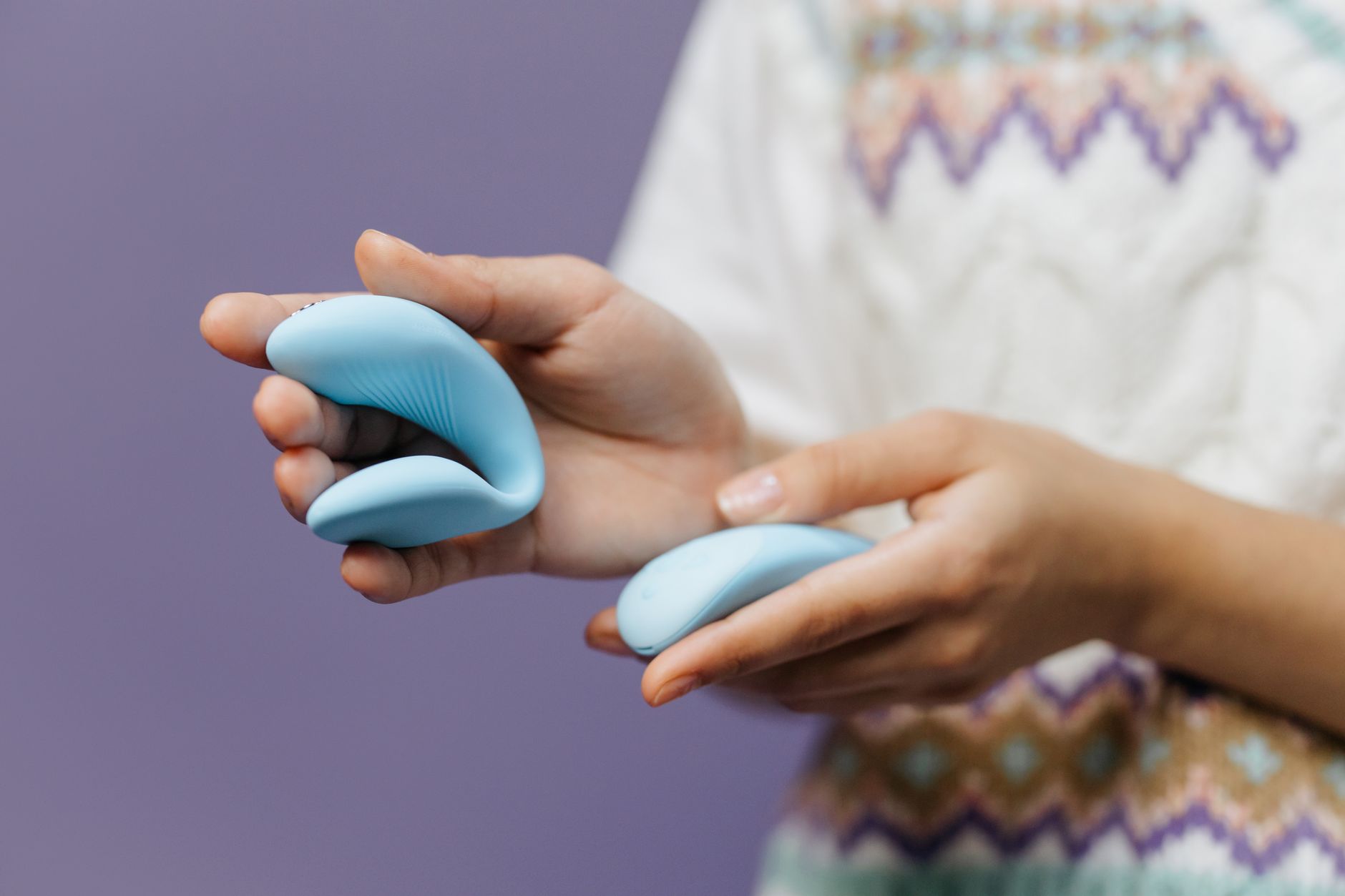
Here's what actually happens to your body when stress takes over
Your nervous system doesn't distinguish between "work presentation went sideways" and "physical threat." Both trigger the same cascade. Cortisol spikes. Blood flow redirects to your muscles and brain. The parasympathetic nervous system (the one that allows arousal) goes offline. You're in survival mode, and sex is not a survival priority.
This is why your libido doesn't just disappear during high-stress periods. It's literally not available. Your body is protecting you.
But here's the thing nobody tells you: the absence of desire doesn't mean you've broken something about yourself. It means your nervous system is doing its job. Once you understand that, rebuilding sensation becomes less about forcing yourself to want sex and more about gently inviting your body back online.
Why stress kills arousal faster than you'd expect
Three systems are working against you when you're stressed.
Cortisol blocks dopamine. Dopamine is the neurotransmitter that makes pleasure feel like pleasure. High stress = low dopamine = everything feels flat, including sex. You might go through the motions and feel almost nothing. That's not depression (though stress can trigger it). That's your brain protecting itself.
Your pelvic floor tightens. Chronic stress creates muscle tension everywhere, and your pelvic floor is especially reactive. Tension there makes arousal slower to build, orgasms harder to reach, and sometimes painful. It's a physical wall between you and sensation.
Touch becomes overwhelming. When your nervous system is fried, even gentle touch from a partner can feel like too much stimulation. You're not rejecting your partner. You're overstimulated and need space. Your body is asking for a break from external input.
These three things create a perfect storm. Your body wants to shut down pleasure pathways. Your muscles are locked. Your threshold for touch has dropped. So when a partner initiates sex, the whole thing feels impossible. And then guilt piles on because you "should" want it.
Why traditional vibrators don't help much here
Regular vibrators require you to be already somewhat aroused to feel good. They work through direct friction and require a lot of tissue sensitivity to register sensation. When you're stressed and your pelvic floor is tight, that direct contact can feel abrasive or even painful. You end up pushing through discomfort, which trains your body to associate sex with effort instead of pleasure.
This is where lemon vibrators work differently.
What makes a lemon clitoral vibrator a better starting point
A lemon vibrator uses air-suction technology instead of vibration. That distinction matters when your nervous system is shot. Here's why.
Suction stimulates the clitoris without direct friction. It creates a gentle pressure that feels more like a sensation building gradually rather than something aggressively stimulating you. For someone whose nervous system is already overwhelmed, this feels less invasive and more inviting. It's the difference between someone tapping your shoulder and someone gently placing their hand on your arm.
The other huge advantage: suction works even when tissue sensitivity is low. You don't need to be aroused already for a lemon vibrator to feel good. This breaks the cycle where you need to be turned on to feel sensation but can't get turned on because you're not feeling sensation.
Third, the patterns on a lemon vibrator are variable. Most start at lower intensity and build. This mirrors the natural arousal curve instead of jolting you awake with immediate stimulation. Your nervous system gets time to adjust and come back online.
How to use a lemon vibrator when you're stressed and touched out
If you're going to rebuild arousal after stress, three things matter.
First: stop expecting full arousal. You're not trying to have a mind-bending orgasm. You're trying to remember what sensation feels like. Start alone, when there's zero performance pressure. No partner watching. No timeline. No goal beyond "I'm going to spend 15 minutes exploring what my body can feel right now."
Second: start at the lowest setting. If your lemon vibrator has a pattern dial or intensity button, begin at level 1 or 2. Seriously. You're not trying to prove anything. Sensation rebuilds faster when you start gentle and let your nervous system gradually register what's happening. Rushing to higher settings can feel overwhelming and set you back.
Third: use lube even if you don't think you need it. Stress creates dryness because blood flow is compromised. Water-based lubricant isn't a sign of failure. It's a tool that makes sensation easier to access. Apply it generously and reapply as needed.
Most people find that 10-15 minutes alone with a lemon vibrator, starting at the lowest intensity with lube, rebuilds sensation faster than weeks of trying to push themselves into arousal with a partner. Your nervous system needs permission to come back online at its own pace.
The role of your partner (if you have one) during this reset
If you're in a relationship, this is the conversation that matters: "I'm stressed and my nervous system needs time to reset. That doesn't mean anything is wrong with us. It means I need space to remember what pleasure feels like without pressure."
Your partner doesn't have to wait indefinitely. But they do need to understand that pursuing sex while you're this stressed is asking your body to do something it can't right now. It's like asking someone with a broken arm to carry groceries and then feeling rejected when they can't.
Some couples find that taking penetrative sex off the table for a few weeks, while one partner explores sensation solo with a lemon vibrator, actually rebuilds intimacy faster. You're no longer performing. You're reconnecting. And often, watching a partner rediscover their own pleasure is more intimate than sex itself.
If you want to involve your partner eventually, do that after you've rebuilt sensation solo. Let them watch. Let them help with lube. But keep the focus on sensation, not performance.
When to know you're ready to rebuild with a partner
You'll feel it. After a few weeks of solo exploration with a lemon vibrator, your nervous system will start to settle. Cortisol will drop. Dopamine will stabilize. You'll notice small things first. You'll want to be touched more. A kiss will feel like something again instead of a task. You'll think about sex without it feeling like an obligation.
That's when you can invite a partner back in. Not because you have to. Because you actually want to.
The bigger picture: stress and desire are not separate
Rebuildng arousal after stress isn't about forcing yourself back into sex. It's about giving your nervous system time and permission to come back online. A lemon clitoral vibrator helps because it offers low-pressure sensation without the invasiveness of a partner or the harshness of traditional vibration.
But the vibrator is a tool, not a fix. The real healing comes from understanding that your body isn't broken. Your nervous system did exactly what it was supposed to do. Sensation rebuilds when stress decreases and you create space for pleasure without performance.
If stress is ongoing (work chaos, family crisis, financial pressure), that's a different conversation that might involve a therapist. But if it's situational stress that's resolving, give yourself permission to rebuild at your own pace. Your desire will come back. Your body remembers how to feel good. It just needs time.
Frequently asked questions
Can a lemon vibrator help if I have no sex drive at all right now?
Yes, but with realistic expectations. A lemon vibrator won't magically return desire if stress is ongoing. What it will do is help you reconnect with your body's capacity for sensation in a low-pressure way. Often, sensation comes back before desire does. You might not crave sex yet, but you notice your clitoris can feel good. That's the first domino. Desire usually follows once stress decreases and sensation is accessible again.
Is it normal that touching myself feels weird after being stressed for months?
Completely normal. Chronic stress can create dissociation where your own body feels unfamiliar. Your brain has been in protection mode, and that means staying disconnected from sensation. Starting with a lemon vibrator (rather than your hands) can help because it gives your nervous system a gentle, external focal point. Your hands might feel too intimate right now. Suction creates distance and permission simultaneously.
How long does it usually take for libido to come back?
It depends on stress level and how long you've been stressed. If it's been a few weeks of high stress, you might notice shifts in 2-3 weeks of gentle exploration. If it's been months, expect 4-8 weeks. The timeline isn't linear either. Some days will feel hopeful. Others will feel flat again. That's normal. Healing isn't progress. It's gradual nervous system recalibration.
Should I use a lemon vibrator with my partner watching, or should I keep it solo for now?
Start solo. Full stop. Your nervous system needs privacy to come back online. Once you've rebuilt sensation alone for a few weeks and actually feel pleasure returning, then you can decide whether to involve a partner. Some people find solo exploration is enough to reset their nervous system. Others want to eventually share it. Both are fine. But the pressure of being watched while you're already in nervous system overdrive will slow things down.
What if stress is from my relationship itself?
That's important to name separately. If your partner is a source of stress (not just the circumstances around you), a lemon vibrator can help you remember what your body likes independently. But the real work is either couples therapy to address the relationship stress or honest conversation about whether this partnership is serving you. A vibrator is a tool for reconnecting with your body. It's not a fix for relationship problems that are draining your libido.
Can I use a lemon vibrator if I'm on antidepressants that affect my libido?
Yes. Sexual side effects from antidepressants are real and separate from stress-related libido loss. Lemon vibrators help rebuild sensation after antidepressants numb pleasure, but the deeper work is talking to your prescriber about whether your current dose or medication is the right fit. Sometimes timing adjustments or switching medications helps. A vibrator bridges the gap while you're figuring that out with your doctor.
The path forward
Stress kills desire. That's neurobiology, not a character flaw. Your body isn't punishing you. It's protecting you. Once you understand that, rebuilding sensation becomes less loaded. You're not forcing yourself back into sex. You're gently inviting your nervous system back online.
A lemon vibrator helps because it offers sensation without pressure, stimulation without harshness, and permission to explore alone. Start low, go slow, and give yourself weeks instead of days. Your desire will return. Your body hasn't forgotten how to feel good. It's just waiting for it to be safe enough to remember.