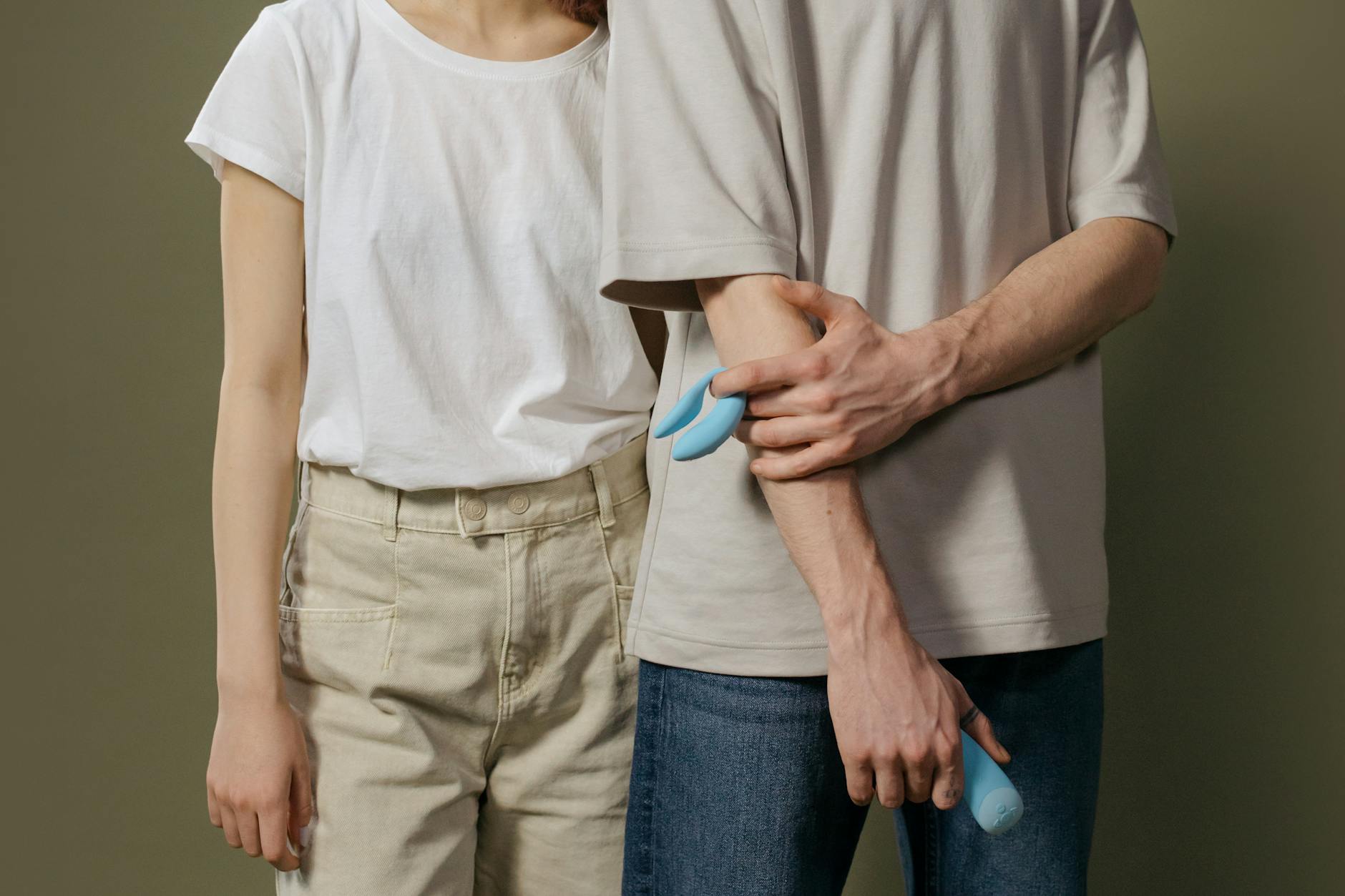
How Lemon Vibrators Help Rebuild Sensation After Numbing From Desensitization
Let's be real. You've been using vibrators regularly, and lately the sensation just isn't there. You turn up the intensity. Nothing. You try a different pattern. Still flat. You start wondering if your body has just checked out permanently.
It hasn't. What you're experiencing is temporary desensitization. Your nerve endings are responding to repetitive stimulation by becoming less reactive over time. The good news: it's completely reversible. The better news: you don't have to abandon pleasure while you're rebuilding.
What desensitization actually is
Desensitization isn't about your nerves dying. It's about how they adapt to repeated stimulation at the same intensity and frequency.
Think of it like listening to the same song every single day. The first time, it hits different. By week four, your brain barely registers it. Your auditory system hasn't broken. It's just habituated to the stimulus. The same mechanism happens with vibration on sensitive tissue.
When you use the same vibration speed, pattern, and location repeatedly, your nervous system begins to filter it out as non-threatening background noise. This is called accommodation. It's a protective biological feature, not a failure of your body. The problem is that accommodation can make pleasure feel muted, distant, or nearly impossible to access.
Why frequent, high-intensity use speeds this up
Three factors accelerate desensitization:
Frequency and duration. Using a vibrator multiple times daily or for sessions longer than 30-45 minutes daily puts sustained pressure on nerve endings. They adapt faster when the stimulus is constant.
Consistent intensity levels. If you've been using the same vibrator on its highest setting for months, your nervous system has learned that this is normal. It stops responding with the same activation.
Lack of variation. Repetitive stimulation of the exact same spot, with the same pattern and vibration speed, trains your nerves to tune it out. Your body is wildly adaptive. It's working exactly as designed.
Many people panic at this point. They assume they've damaged something. They haven't. But they do need to change the stimulus to restart the response.
How the nervous system recovers
Recovery starts the moment you stop the repetitive stimulus. Your nerve endings begin to resensitize almost immediately. Most people notice a shift within 3-7 days of reduced use. Full sensitivity recovery typically takes 2-4 weeks of intentional changes.
Here's what's happening at a cellular level. When you're not bombarding those nerves with the same vibration, they stop filtering it out as background noise. The neural pathways involved in pleasure processing get to recalibrate. Sensation comes back.
The key is that you have to actually change something. Taking a break helps. But many people find that taking a break makes them anxious or feel like they're giving up pleasure entirely. That's why a strategic shift in tools matters more than abstinence.
Why lemon clitoral vibrators are the right reset tool
Not all vibrators work equally well for resensitization. Here's why lemon suction-based tools like the Lem are better than traditional vibrators for rebuilding sensation.
Different nerve activation pattern. Suction stimulates nerves through gentle pressure changes and light tissue engagement. It's a fundamentally different signal than vibration. When you switch from a traditional vibrator to a suction-based lemon tool, you're not just changing speed. You're changing the type of stimulus entirely. Your nervous system perceives this as novel. Novel stimuli don't get filtered the same way.
Lower risk of re-sensitization. A lemon clitoral vibrator uses gentler, broader stimulation than the concentrated buzz of a traditional vibrator. This means you can use it regularly without creating the same accommodation effect. The suction action engages tissues differently, preventing that rapid habituation cycle.
Built-in intensity variety. Most lemon vibrators have multiple settings and patterns. This natural variation prevents the exact repetition that caused the problem in the first place. Your nervous system can't tune out what's constantly shifting.
Tissue-protective design. When sensitivity is already depleted, aggressive vibration can feel uncomfortable or even slightly painful as sensation returns. Suction-based stimulation is gentler on recovering tissue while still delivering strong sensation.
The step-by-step resensitization protocol
If you're ready to rebuild, here's what I recommend to clients:
Week 1: Stop high-intensity use completely. No traditional vibrators. No highest settings. If you want to use anything, use it on the lowest setting for no more than 10 minutes. The goal is to give your nerves a genuine break from the stimulus they've been accommodating.
Week 2: Introduce a different stimulus. Switch to a lemon clitoral vibrator or suction toy. Start on the gentlest setting. Use it for 15-20 minutes, 4-5 times that week. The novelty of suction-based stimulation will feel stronger than you expect because your nervous system hasn't adapted to it yet.
Week 3: Vary the patterns intentionally. If your Hello Nancy tool has multiple settings, rotate through them. Spend 5 minutes on one pattern, then switch. This prevents your nervous system from accommodating to any single rhythm. Sessions can extend to 25-30 minutes now.
Week 4 onward: Expand slowly. Gradually reintroduce other tools and intensities if you want them. But keep rotating. The key to preventing re-desensitization is never settling into a single stimulus, duration, or intensity as your baseline.
What to expect during recovery
Resensitization isn't linear. You might feel great on day three, then feel flat on day five. That's normal. Nervous system adaptation works in waves.
You might also notice that sensation returns in unexpected ways. Some people describe feeling sensation in areas they hadn't noticed before. Others find that their orgasms feel different. This isn't wrong. It's just your body recalibrating to stimulation it's been filtering out.
Most importantly, don't white-knuckle through this waiting for your old sensation to come back exactly as it was. It might come back better. It might feel different. Both are fine.
Preventing desensitization from returning
Once you've rebuilt sensation, the goal is to keep it. Three rules help:
Rotate your tools regularly. Don't fall back into using the same vibrator in the same way for months. Mix it up weekly. A lemon suction toy one day, a wand vibrator another, a different pattern or setting the next time.
Take breaks intentionally. A pleasure break isn't punishment. It's maintenance. Even one day a week without vibration helps prevent accommodation.
Keep sessions under 30-40 minutes. Long sessions accelerate desensitization. Shorter, more frequent sessions with different tools create variety without the accommodation trap.
The irony is that most people think having one favorite vibrator is smart. It actually trains your body to stop responding to it. Variety is what keeps sensation alive.
When to see someone if this doesn't improve
If after 4-6 weeks of intentional variation and a lemon clitoral vibrator you're still feeling completely numb, there might be something else happening. Hormonal shifts, medication side effects, relationship stress, or previous trauma can all create sensation loss that looks like desensitization but has different roots.
A pelvic floor physical therapist can assess whether there's a functional issue. A therapist familiar with sexual health can explore whether something emotional is also at play. You deserve to feel pleasure. If a reset isn't working, getting professional eyes on it is smart.
The real takeaway
Desensitization feels like a failure, but it's actually a sign that your nervous system is doing its job incredibly well. It's protecting you from constant overstimulation by adapting. The fact that it adapts means it can also de-adapt. You haven't broken anything. You've just habituated to a stimulus. Change the stimulus, and sensation comes back.
A lemon vibrator isn't magic. It's just a different type of stimulation. But different is often exactly what your body needs to remember how to feel.
People also ask
How long does vibrator numbness last?
Most people notice improvement in 1-2 weeks and full recovery in 3-4 weeks. Recovery speed depends on how long you've been desensitized and how willing you are to change your stimulation pattern. If you're not actually changing anything, numbness persists. If you're actively rotating tools and intensities, sensation returns faster.
Can desensitization cause permanent damage?
No. Desensitization from vibrator use is not permanent. Your nervous system is designed to adapt and readapt. Taking a genuine break and switching to different types of stimulation restores sensation. The only way this becomes a long-term problem is if you ignore it and keep using the exact same tool at the exact same intensity.
Is it normal to lose sensation from using a lemon vibrator too much?
Yes. Any repetitive stimulus, including a lemon clitoral vibrator, can cause temporary desensitization if you're using it the exact same way every time. The difference is that suction-based lemon tools naturally incorporate variation. Different patterns and settings make accommodation slower. But overusing any single setting on any tool can still create numbness. Rotation and breaks are your friends.
Will taking a break from vibrators help sensation come back?
Yes, but only partially. A complete break helps your nervous system reset. But many people find that being able to use a different tool during that reset makes the process feel less like deprivation. A lemon suction toy provides sensation through a different mechanism, so it feels novel and exciting while your nervous system is recalibrating to your usual tools.
Should I switch vibrators permanently after desensitization?
Not necessarily. You can go back to your original vibrator once sensation has recovered. The key is never going back to the same pattern. Keep rotating settings. Use it for shorter sessions. Take days off. Use it alongside other tools. Desensitization comes back fast if you slip into old habits, but it also stays away if you maintain variation.
Can using multiple lemon vibrators help prevent desensitization?
Absolutely. The more tools you rotate through, the less likely any single one is to create accommodation. Different sensations, different intensities, different patterns. Your nervous system stays engaged and responsive instead of tuning out a familiar stimulus. Many people find that having 2-3 different tools in regular rotation completely prevents the numbing issue from returning.