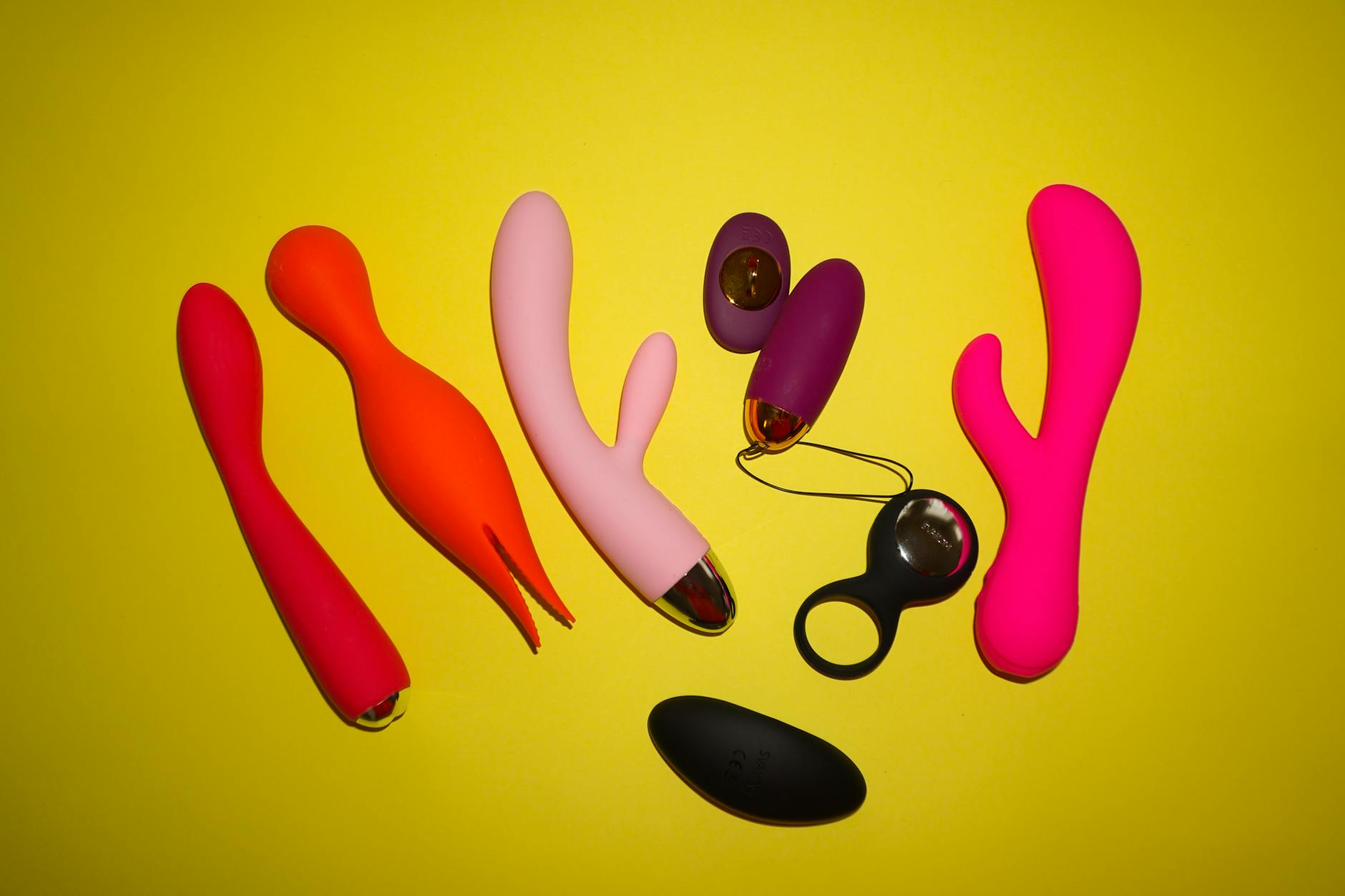
Let's talk about your clitoris during ovulation
Here's the part of your cycle nobody explains: your clitoris actually gets bigger during ovulation. Not by much. But enough that the sensation changes noticeably if you're paying attention. This isn't a weird side effect. It's biology doing exactly what it's supposed to do.
When you ovulate, blood flow to your genitals increases. Estrogen peaks. Tissues swell slightly. Your clitoris becomes more engorged, more sensitive, and honestly, more responsive to stimulation. This is the window when a lemon vibrator or any clitoral vibrator might feel different, stronger, or almost too intense compared to other parts of your cycle.
Why ovulation changes everything
There are three hormonal shifts happening simultaneously during your fertile window.
First, estrogen spikes. This increases blood flow to your pelvic area and makes nerve endings more reactive. Your clitoris, which is packed with about 8,000 nerve endings, becomes hypersensitive. Second, testosterone also peaks right around ovulation in people with ovaries. This is the hormone most directly linked to desire and arousal, and it's at its highest right when your clitoris is most engorged. Third, your cervical mucus changes texture, which signals to your body that this is the fertile window. Your entire genital system is basically lit up.
The result: sensations that feel good mid-cycle might feel overwhelming or too sharp during ovulation. Or they might feel absolutely incredible. It depends on your individual sensitivity and whether you're working with the peak or fighting against it.
How lemon vibrators specifically respond to ovulation changes
Lemon vibrators use suction and gentle pulse patterns rather than intense vibration. This matters during ovulation because your clitoris doesn't need as much stimulation to reach sensation when it's already engorged. During other parts of your cycle, you might need patterns 4 or 5 on a lemon vibrator to feel satisfied. During ovulation, patterns 1, 2, or 3 might be more than enough.
The suction pattern of a lemon vibrator works especially well during ovulation because it doesn't add sharp, direct vibration on top of already heightened sensitivity. Instead, it creates a gentle, rhythmic pressure that your swollen tissues respond to intensely. Many people report their fastest, most powerful orgasms happen during ovulation with a suction-style toy.
But here's the catch: if you use the same intensity you normally do, it can feel too sharp. Your body is already primed. Adding the same amount of external stimulation can cross the line from pleasurable to uncomfortable.
Tracking when ovulation hits (and when to adjust)
Ovulation typically happens 12 to 16 days before your next period starts. If you have a 28-day cycle, that's roughly day 14. But cycles vary, and ovulation can shift by several days month to month.
The most reliable signs are: a slight rise in basal body temperature (you'd need to track this daily), changes in cervical mucus consistency (it becomes clear, stretchy, and egg-white-like), and sometimes a mild cramp or twinge on one side of your lower belly. Some people also notice increased desire during this window, which isn't a coincidence. Your body is literally primed for sex.
If you want to be more precise, ovulation test strips from any pharmacy will tell you 12 to 24 hours before it happens. They measure a hormonal surge that always precedes ovulation. Using these alongside noticing your own sensations gives you a clear map of when your clitoris will feel different.
Once you identify your window, you can plan. Some people love having a solo session during ovulation specifically to experience that heightened sensation. Others adjust their toy settings that week to keep things consistent.
The practical adjustments to make
Three things shift when ovulation arrives.
Lower the intensity. Start two settings lower than you normally would. If you usually find your rhythm on pattern 3, try pattern 1 during ovulation. Build up from there. Your engorged clitoris will get more sensation from the same physical stimulation, so less external input often feels more satisfying.
Extend your warm-up. This sounds counterintuitive, but even though your clitoris is more reactive during ovulation, it still benefits from a slower build. Spend 10 to 15 minutes exploring the area before moving to your preferred pattern. Your body is primed, but the pleasure deepens if you give it time to register each shift in sensation.
Pay attention to angle and positioning. Your clitoris shifts slightly forward when it's engorged. The angle that felt perfect mid-cycle might not be the same during ovulation. Experiment with how the lemon vibrator sits against your body. A slight shift in position can change whether the sensation feels incredible or too intense.
What happens if you ignore these shifts
Look, you can absolutely use a lemon vibrator exactly the same way every day of your cycle. Your body is resilient. But you're leaving pleasure on the table. It's like using the same speaker volume for every song. Sometimes it fits. Sometimes you're missing the full richness.
Ignoring the ovulation shift means you might miss out on some of your most intense, fastest orgasms. Or you might accidentally overstimulate your clitoris and create a sensitivity response that makes pleasure harder the rest of that week. For some people, that rebound overstimulation shows up as reduced sensation for two or three days after. Which is honestly just annoying when you know what causes it.
The partner dimension (if that's relevant for you)
If you share pleasure with a partner, your ovulation window matters for both of you. Many couples notice that the partner finds they're more in sync during ovulation. Your desire is literally higher. You're more responsive. This is the window when mismatched sensitivity levels sometimes align naturally. A partner who usually feels like they're moving too fast might find the timing clicks during your fertile window.
Worth noting: if you're using a lemon vibrator during partnered sex, the adjustment logic is the same. Lower intensity, more build-up time. Your partner might also notice they prefer a slower, more exploratory pace when your body is this responsive. That's not a loss. That's you both getting to experience a different flavor of intimacy.
The bigger picture
Your cycle isn't a bug in your pleasure. It's a feature you can learn to work with. When you understand that your clitoris actually changes size and sensitivity month to month, you stop assuming the same approach works every time. You start paying attention. You start adjusting. And you start experiencing pleasure that's actually calibrated to what your body needs right now, not what it needed last week.
Lemon vibrators and other clitoral vibrators are especially good for this because they respond so directly to tissue changes. When your clitoris is swollen and highly responsive, suction-style toys amplify that responsiveness without adding unnecessary harshness. You're working with your body's natural peak instead of fighting against it.
Your cycle is not something to work around. It's something to work with. Your pleasure matters enough to pay attention.
People also ask
Does ovulation actually make you more sensitive, or is it just in my head?
It's not in your head. Ovulation increases blood flow to your genitals, swells your clitoris, and makes nerve endings more reactive. This is measurable, biological change. Studies show that sexual arousal happens faster and orgasms are often more intense during the fertile window. You're not imagining the difference.
Can I use my lemon vibrator the same way every day?
Yes, technically. But you're likely missing out on pleasure optimization. Your body changes throughout your cycle. A lemon vibrator's intensity that feels perfect on day 10 might feel too sharp on day 14. Adjusting settings and warm-up time to match your cycle means you're always working with your body's natural state, not against it.
Why does ovulation make pleasure feel intense so fast?
During ovulation, your clitoris is engorged with blood, your estrogen is high, and your testosterone is at its monthly peak. All three increase nerve sensitivity. That means less stimulation is needed to reach the same level of sensation you'd normally need more input to achieve. Your body is literally primed for pleasure during this window.
If I have irregular cycles, how do I know when I'm ovulating?
Overulation strips are your friend. They measure the hormonal surge that happens 12 to 24 hours before ovulation and are reliable regardless of cycle length. You can also track basal body temperature (slight rise after ovulation) or pay attention to physical signs like cervical mucus changes or a slight cramp. A combination of these methods gives you a clear picture even if your cycle varies.
Will using a lemon vibrator during ovulation desensitize me?
No, as long as you adjust your intensity downward. The risk of overstimulation comes from using the same high intensity when your body is already at peak sensitivity. Lower your settings during ovulation and you avoid any rebound numbness. You're actually training your body to respond well to calibrated stimulation.
What if my partner and I want to have sex during ovulation but I feel too sensitive?
Communicate the shift to your partner. Lower intensity for you might mean gentler pace, more lubrication, or a focus on sensation over speed. Many couples find that during ovulation, slower, more exploratory intimacy actually feels better for both people because the sensitivity makes every touch register more clearly. It's a chance to sync up differently.
What to do next
If you menstruate, track your cycle for two or three months. Note when your clitoris feels different. Note what intensity on your lemon vibrator feels best at different points in the month. This isn't about complication. It's about claiming pleasure that's already available to you.
When you understand your own cycle, you stop thinking of your pleasure as inconsistent. You start thinking of it as responsive. And responsive is something you can work with brilliantly.
Have questions about how your body responds throughout your cycle, or how to use toys in ways that match your needs? Reach out to our team. We're here to help you find what works for you.