Here's the thing about foreplay and vibrator patterns
Most people treat their lemon vibrator like an on-off switch. Full intensity, straight to the point, done. But that's like cooking a steak on high heat the whole time. The best foreplay happens in the buildup, in the pauses, in the rhythm that makes you actually feel connected to your partner instead of just getting to an endpoint.
The Lem and other lemon clitoral vibrators come with multiple settings for a reason. Each one does something different to your body and to the dynamic between you. Once you understand what each pattern is doing, you can use them to extend foreplay, sync with your partner, and actually enjoy the middle part of sex instead of just racing to the finish.
Setting 1: The teasing pulse (lowest intensity, steady rhythm)
This is where most foreplay should start. A lemon sucker at its gentlest setting creates that delicious ache of anticipation because you feel something happening without it being overwhelming. Your nervous system isn't flooded. Instead, it's curious.
Use this setting when you're getting undressed, when your partner is touching you without the toy, when you're building interest but you want to stay in the "conversation" part of sex. This is the 10-minute mark of a 30-minute foreplay session.
Why it matters: Women and people with vulvas frequently skip the long, slow build because they think they should be "ready" faster. We're trained to believe desire looks like a light switch. It doesn't. It's a dimmer. Starting with pattern 1 on a lemon vibrator teaches your body that pleasure has a timeline, and that timeline is yours. Your partner also gets to observe what turns you on, which is wildly useful information for them.
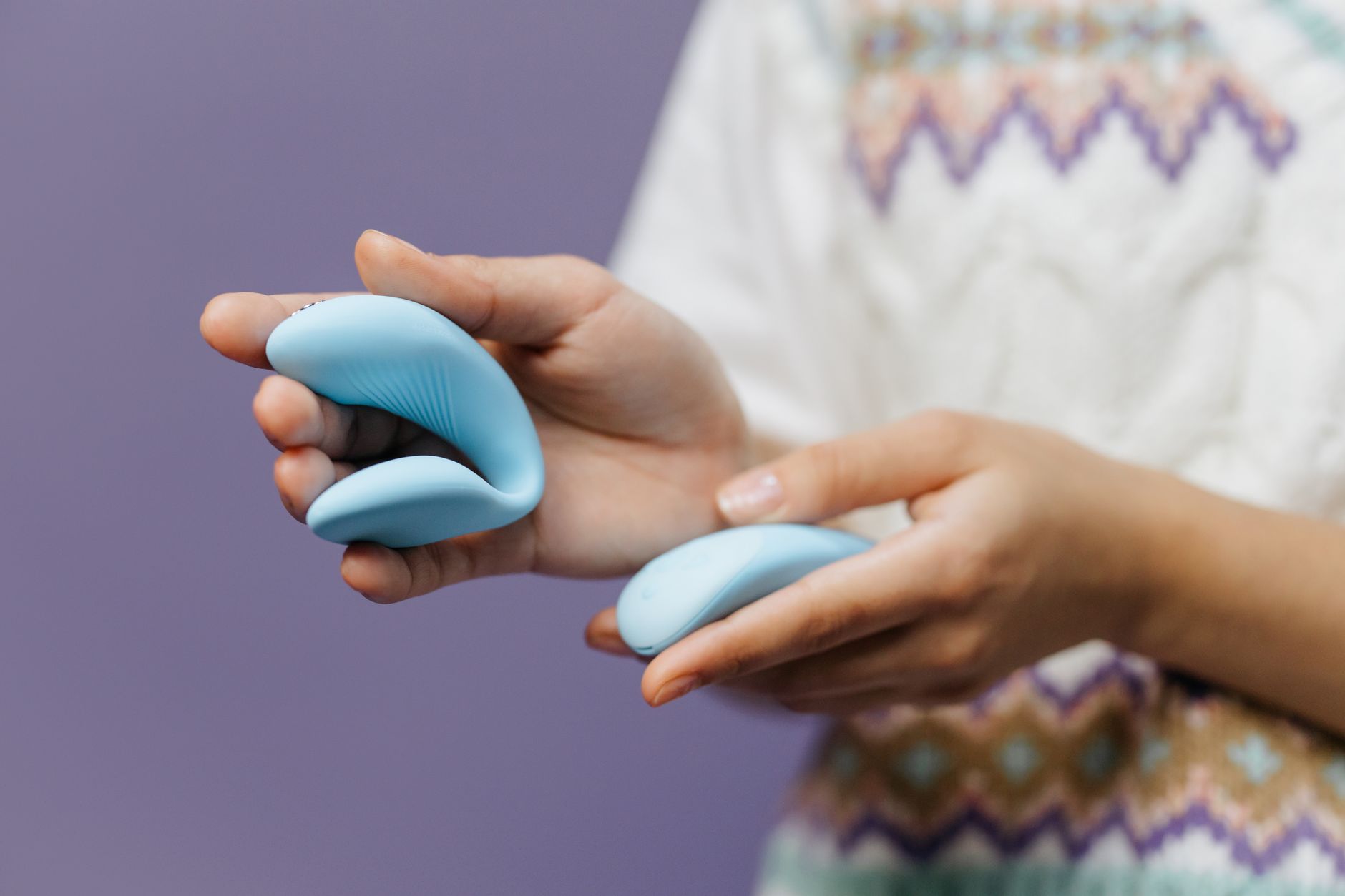
Photo by cottonbro studio on Pexels
If you're using this with a partner, keep eye contact. Let them see your face change. This isn't voyeurism, it's data. They're learning what your pleasure looks like in real time.
Setting 2: The rhythm shift (medium intensity, varied pulse patterns)
After 10 to 15 minutes of pattern 1, shift up. This is where a lemon clitoral vibrator gets interesting because the pattern change signals to your nervous system that something new is happening. Your body responds to novelty by deepening arousal.
Some lemon vibrators pulse in waves. Others accelerate. Some have multiple pulses followed by a pause. The specific pattern matters less than the fact that it's different from what came before. Your brain perks up. Sensation intensifies without you having to think about why.
This is the setting for deeper kissing, for when clothes come off, for when you're both actually present and touching each other. The vibration isn't the main event anymore. It's a supporting player in what your partner is doing.
Many couples get stuck here. They find a pattern they like and never move past it. But staying on pattern 2 for too long can actually flatten sensation because your nerve endings adapt to the rhythm. You'll feel yourself losing intensity even though nothing changed. That's when you know to move forward.
Setting 3: The buildup (higher intensity, building patterns)
This is where you bring a lemon sucker into the foreplay just before penetration or when you're getting close to orgasm. Pattern 3 on most lemon vibrators creates a ramp effect. It doesn't stay the same. It builds. Some patterns crescendo. Others have longer pauses that make you wait for the next pulse.
Use this when you want your clitoris to be the focus for a bit. When your partner is inside you and you need that external stimulation to feel everything fully. When you want to show them exactly what gets you there.
This is also the setting where communication matters. If you're with a partner, tell them you're switching to pattern 3 so they're not surprised by the change in your body or your breathing. Some partners actually want to hold the vibrator for you during this part of foreplay. Some want to be inside you while you use it. Some want to watch. All of those are valid, and they feel completely different. Naming it prevents awkward fumbling.
Photo by cottonbro studio on Pexels
Setting 4: The hold (steady high intensity, one strong pattern)
Some lemon vibrators have a fourth setting that's just full intensity, no variation. This is the one you use when you're close and you want to stay there. Your body doesn't need novelty anymore. It needs consistency. It needs that one specific sensation to keep building until you tip over.
Don't use this for the whole foreplay session. Use it for the last 5 to 10 minutes. Maybe less. Your nervous system needs the variation in the earlier stages or it gets fatigued. You'll feel your pleasure plateau instead of rise.
With a partner, this is often where they pause other movement and let the vibrator do its work. Or they match your rhythm with their own. Sync creates a different kind of intimacy than alternating focus.
The pause pattern (all settings, strategic off-time)
Here's what nobody talks about. The best foreplay pattern isn't what you turn on. It's what you turn off.
After 30 to 45 seconds on any setting, turn the vibrator off for 5 to 10 seconds. Let the sensation fade. Let your body recalibrate. Then turn it back on, either at the same setting or moving to the next one. This rhythmic on-off creates an edge that keeps you interested instead of numb.
This technique prevents the common problem where 20 minutes into foreplay, you feel like you're not actually getting more aroused. You are. Your nerve endings just adapted to the constant input. The pause resets them.
Matching your partner's rhythm
If you're with a partner, here's a game changer. Ask them what their stroke rhythm feels like, or watch them. Then try to match that rhythm with your lemon vibrator settings. If they're inside you thrusting steadily, move through your patterns at the same pace you move through your foreplay.
Some lemon vibrators let you control the intensity while staying in one pattern. Use that to sync. You're not trying to come first. You're trying to come at the same time. That level of attunement is what couples therapy calls "synchronized arousal," and it's the foundation of great sex.
What to do if one setting doesn't feel right
Not every pattern works for every person. Some people hate the pause patterns because the off-time actually destabilizes their arousal. Others find the steady pulse boring from the start. Your body is the real expert here.
Spend time with your lemon clitoral vibrator alone first. Try each setting on its own. Notice which ones make you lose focus and which ones deepen your attention. Notice which ones feel numbing after a few minutes and which ones you could stay in for longer. Then bring that knowledge to your partner.
When you know what works for your body, you can actually ask for it. "I need pattern 2 for a while" is so much hotter than hoping they'll figure it out.
Combining patterns within one session
The magic happens when you layer. Start with pattern 1 for 10 minutes while your partner touches you elsewhere. Move to pattern 2 when they start kissing your neck or genitals. Stay there for another 10 minutes. Shift to pattern 3 when penetration begins. Switch to pattern 4 when you're actually close to orgasm.
This isn't about rushing. It's about using the different settings as mile markers in foreplay. Each change signals your nervous system that the intensity is rising. That signal alone deepens arousal beyond what the vibration itself could do.
Try it once and you'll notice the difference. Your foreplay becomes longer, more connected, and weirdly, more orgasmic because you're not fighting your own nervous system the whole time. You're working with it.
FAQ
How long should I stay on each setting during foreplay?
There's no hard rule, but a general rhythm works like this. Pattern 1: 8 to 12 minutes. Pattern 2: 10 to 15 minutes. Pattern 3: 5 to 10 minutes. Pattern 4: 2 to 5 minutes or until orgasm. The total foreplay time depends on you and your partner, but this pace keeps sensation fresh without feeling rushed.
Can I use a lemon vibrator if my partner is inside me?
Yes. Many people use their lemon clitoral vibrator during penetration because they need external clitoral stimulation to orgasm. You can hold it yourself, your partner can hold it, or you can both work together to find the angle that feels best. Some people find that they prefer lower intensity patterns during penetration and higher ones before or after. Experiment.
Does switching patterns too much ruin the buildup?
Not if you're intentional about it. Switching every 5 seconds? That'll destabilize you. Switching every 2 to 5 minutes? That deepens buildup because your body registers the change as intensification. It's the difference between channel surfing and moving through acts of a play.
What if I can't orgasm on any setting?
That usually means one of three things. First, you might need a longer warm-up on pattern 1 than you thought. Second, you might need a different type of stimulation altogether, like penetration paired with a lower intensity, rather than high intensity alone. Third, something outside the physical might be in the way: stress, disconnection with your partner, or not enough time to relax. Talk to your partner about all three. Sometimes the issue isn't the vibrator.
Is it normal to need a higher intensity setting each time I use a lemon sucker?
Sometimes, yes. Your body's sensitivity changes throughout your menstrual cycle and with stress levels. You might need pattern 3 one week and pattern 1 the next. That's not a problem or a sign that your vibrator isn't working. It's your nervous system doing exactly what it should do. Check in with what you actually need today instead of what you thought you needed last time.
How do I know if my partner is uncomfortable with me using a vibrator during foreplay?
You ask. Directly. "I'd like to try using my vibrator during foreplay. How do you feel about that?" Most discomfort comes from not knowing what to expect or feeling like the vibrator is replacing them. When you name it and invite them into the experience, a lot of that dissolves. Some partners love watching. Some want to be the one holding it. Some want to sync their movement with the vibration. Their answer tells you everything.
The real point
Your lemon vibrator isn't a shortcut to pleasure. It's a language. Each pattern is a word, each setting is a sentence, and together they tell a story about what your body needs right now. Learning to speak that language is how foreplay stops feeling rushed and starts feeling like actual connection.
Ready to explore? Spend some time with your patterns solo. Then bring what you learn to your partner. That conversation, and the play that follows, is where the real magic lives.
If you're navigating this with a partner and want more support, get in touch with us. We're here to help.